70% Immigrant Roots: Understanding Modern Hawaiian Cuisine
Beyond the tourist traps of Waikiki lies a culinary landscape shaped by centuries of migration, volcanic soil, and a profound respect for the land.
Finding truly authentic flavors in Hawaii requires looking past the neon signs of Waikian shopping centers and understanding the layers of history in every bite.
Whether you are looking for a traditional feast or a modern fusion masterpiece, knowing the difference between a tourist staple and a local staple is the key to a successful trip.
* Hawaiian cuisine is a blend of deep Polynesian roots and diverse immigrant influences. * Each island possesses a unique culinary personality based on its geography and history. * Authenticity often lives in roadside stands and family-run shops rather than luxury resorts. * Effective dining plans require matching your meal to the specific vibe of the island you are visiting.

Why is Hawaiian Food More Than Just Poi and Pork?
The sun beats down on a roadside stand in Waialua, where the smell of roasting meat mixes with the salty breeze of the Pacific. A local family sits at a wooden picnic table, passing around a large bowl of starchy, fermented taro paste while children wait eagerly for plates of fried chicken.
According to the Census Bureau, Hawaii's population was 38.8% white and 57.7% Asian and Pacific Islander in 1970.
The foundation of eating in the islands began long before modern menus existed, rooted in the migration of Polynesian peoples who brought essential crops like taro, sweet potato, and breadfruit. These ingredients weren't just food; they were the lifeblood of survival in an isolated archipelago.
For generations, the preparation of taro into *poi* was a central ritual of sustenance.
As different cultures arrived—including significant Asian and Pacific Islander populations that made up 57.7% of the population by 1970—the menu began to evolve. The introduction of chili, macadamia nuts, and various preserved meats created a unique fusion that defines the modern plate.
Today, "Hawaiian food" is a broad umbrella that covers everything from ancient indigenous recipes to the complex, multi-ethnic dishes found in modern kitchens.
At the heart of this culinary evolution is the concept of *Mālama ʻĀina*, or caring for the land. This philosophy dictates that the quality of the food is inseparable from the health of the soil and sea.
When you eat locally sourced ingredients, you are participating in a cycle of respect that has existed for centuries.
If you think this is just about eating, you are missing the deeper connection between the plate and the place.
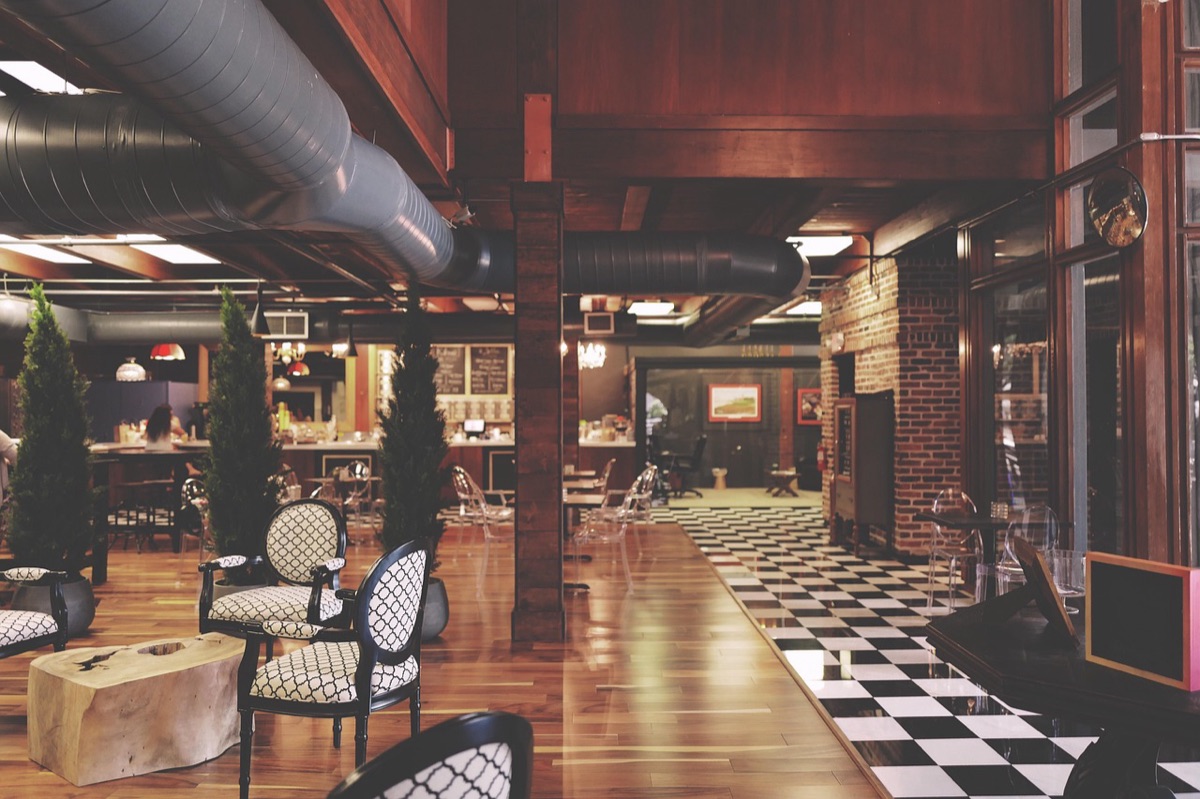
Where should I eat on each island? A rental car idles in a gravel parking lot on the Big Island, the engine ticking as the driver looks at a map of volcanic orchards. The driver wonders if the fruit they saw in the roadside stand will be as sweet as the ones in Maui.
The geography of the islands dictates the menu. Oʻahu serves as the central hub, offering a high concentration of both modern fusion and traditional finds, especially in areas like North Shore or the bustling streets of Honolulu.
It is the easiest place to find a wide variety of styles, but you must look closely to find the truly local gems hidden behind the tourist-facing storefronts.
Maui offers a different dynamic, where mass tourism often dominates the dining scene. While many visitors stick to resort buffets, the real magic happens in the Upcountry regions or in small towns where deep-cut local eateries still thrive.
The Big Island, with its vast volcanic landscapes, provides a bounty of unique agricultural products, such as coffee and tropical fruits, that are difficult to find elsewhere.
On the more preserved island of Kauaʻi, you often find older, more traditional methods of food preparation that feel closer to the way things were done decades ago.
While the maturity of the dining scene varies—with Oʻahu being the most diverse and Kauaʻi often feeling the most traditional—the common thread is the reliance on the specific bounty of each island's microclimate.
But how do you tell a real meal from a souvenir?
What's local and what's just for tourists? The steam rises from a heavy iron pot in a dim kitchen, and the scent of slow-cooked pork fills the air. A traveler sits at a small table, staring at a menu that looks much different from the one they saw in a travel brochure.
To navigate a menu effectively, you must distinguish between the "must-try" essentials and the mass-market staples. For example, authentic *Kalua* pig should be prepared in an underground oven (*imu*), resulting in a smoky, tender texture that a standard oven cannot replicate.
Seafood preparations, such as fresh poke made with locally caught tuna, are non-negotiable for any visitor.
| Dish Type | Description | Best For |
|---|---|---|
| Traditional Staples | Kalua Pig, Poi, Lau Lau | Cultural immersion and large feasts |
| Modern Fusion | Loco Moco, Garlic Shrimp | Casual, filling daily meals |
| Fresh Seafood | Poke, Sashimi, Grilled Fish | Light lunches and coastal dining |
The "Plate Lunch" is perhaps the most important cultural phenomenon to understand. It is a practical, hearty meal consisting of a protein (like teriyaki beef or kalbi), a scoop of white rice, and a scoop of macaroni salad. It is the ultimate local comfort food, designed to be filling and efficient.
To test if a dish is authentic, look for the balance of flavors—salty, sweet, and umami—and the presence of local ingredients like ginger, soy, or taro.
If a restaurant offers "Hawaiian-style" food that uses heavy processed ingredients or lacks local produce, it is likely a tourist-centric version of the culture.
The real challenge begins when you step out of the restaurant and into the local rhythm of life.
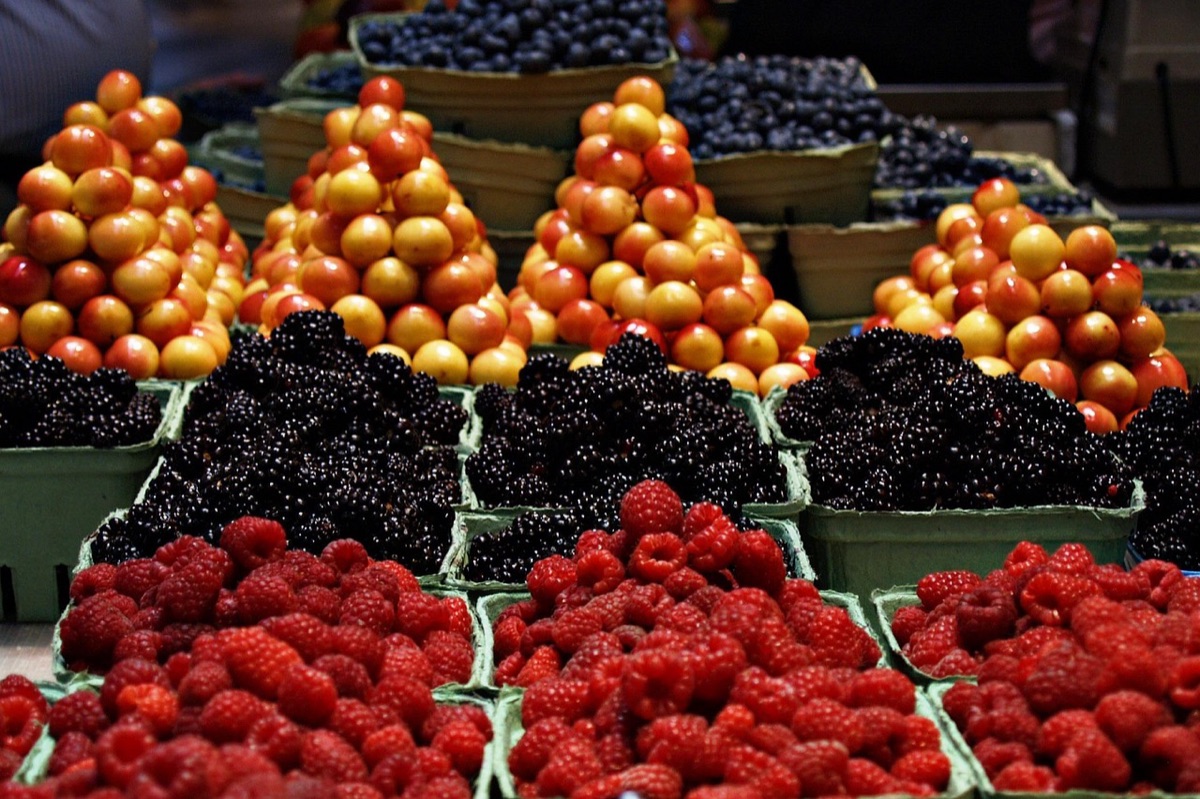
Beyond the Main Course: Dining Experiences & Local Tips
A group of friends gathers around a low table at a roadside shack as the setting sun turns the sky a deep shade of violet. They pass around plates of shrimp, laughing as they navigate the messy, delicious meal.
Choosing the right setting is as important as choosing the right dish. You can choose between upscale dining in luxury resorts, small family-run joints, or roadside stands. For a truly local experience, the roadside stand or the small family-run shop often provides the most authentic flavors.
Timing is a critical factor in the islands. Many of the best local spots—especially those serving breakfast or specific seafood—have limited hours or sell out by midday. For example, if you are looking for fresh poke or specific breakfast plates, arriving in the early morning is often necessary.
| Travel Group | Recommended Dining Style | Why? |
|---|---|---|
| Families | Plate Lunch Shops | Easy to share, filling, and casual |
| Romantic Getaways | Upscale Coastal Dining | Great views and refined local fusion |
| Solo Travelers/Hikers | Roadside Food Trucks | Quick, affordable, and easy to grab-and-go |
A local secret is that the best food often isn't in a fancy building. It is often found in a food truck parked near a beach or a small shop in a residential neighborhood.
If you are traveling as a family, look for casual plate lunch spots; if you are on a romantic getaway, look for restaurants that blend local ingredients with high-end presentation.
But how do you actually plan your day to ensure you don't miss out?
How to Master the Island Dining Schedule
A traveler stands at a busy intersection in Honolulu, looking at a phone screen to decide between a reservation-based restaurant and a walk-in deli. The humidity is high, and the hunger is growing. According to World Bank data, the United States recorded share of internet users of 94.7% in 2024.
When I first traveled through the islands, I learned the hard way that you cannot simply walk into a popular shrimp truck at 2:00 PM and expect a full menu. I remember standing in a line in Haleiwa, watching the last of the garlic shrimp disappear from the serving tray by 1:30 PM.
To avoid the disappointment of a "sold out" sign, follow this practical checklist:
- Check the Hours: Many local spots close by 2:00 PM or 3:00 PM. Plan your heavy meals for lunch and lighter, late-night snacks for dinner.
- Verify the "Sold Out" Status: If you are visiting a specific famous food truck or a small-batch bakery, arrive at least 30 minutes before their peak rush.
- Carry Small Denominations: While credit cards are common in 2026, many roadside stands still prefer cash or have minimum purchase requirements for card use.
- Map Your Route: Group your meals by island district. Don't try to drive from Hilo to Kona just for a specific lunch; find a local gem in the district you are already visiting.
- Ask the Locals: If you are at a grocery store or a market, ask the staff what they personally eat for lunch. They are your best source of truth.
Logistics can make or break your dining experience. For high-end or popular restaurants, especially in Honolulu or Maui, reservations are often essential and should be made well in advance. However, for the casual local spots that serve the best plate lunches or shrimp trucks, walk-ins are the norm.
While big-box stores are convenient, the local markets offer the freshest seasonal produce and a direct connection to the growers.







Comments 0