7-Day vs. Month-Long: Tailoring Your Hawaii Journey
"Paradise isn't a place you find; it is a masterpiece you design."
Stop daydreaming about a generic tropical getaway and start building a journey that actually fits your life.
Whether you are looking for a high-octane adventure or a quiet place to work remotely, the key to a successful Hawaii trip lies in the transition from a vague desire to a structured, intentional plan.
Key Takeaways
* Define Your Purpose: Match your specific travel goals—relaxation, adventure, or work—to the unique personality of each island. * Pace Your Journey: Understand how your duration dictates your itinerary to avoid burnout or rushed experiences. * Master the Logistics: Real planning goes beyond flights; it involves rental cars, inter-island travel, and seasonal timing.

🧭 Which version of yourself are you traveling as?
I remember sitting in a crowded cafe in Honolulu in July 2025, looking at a group of travelers frantically swapping maps and arguing over which North Shore surf break to hit next.
They had the passion, but they lacked a cohesive plan, and by noon, they were already exhausted by the sheer scale of the islands.
Before you book a single flight in 2026, you must identify your "Travel Persona." Are you a Relaxer seeking luxury resorts and sunset cocktails, an Adventurer looking to trek through rugged terrain, or a Culturalist wanting to dive into local history and community life?
Your persona dictates your island selection. For example, Oahu offers a mix of city buzz and historical sites like Pearl Harbor, making it perfect for those who want convenience. In contrast, Kauai offers a much more rugged, natural experience, though you must prepare for its unique weather.
Mount Waiʻaleʻale on Kauai, for instance, sees an average annual rainfall of about 460 inches, making it one of the wettest spots on Earth. If you want sun-drenched beaches, you need to plan your route around these microclimates.
Timing is your next major decision. If you want to witness humpback whales, you should aim for the season between December and April. However, you must also consider the duration of your stay.
A seven-day trip usually limits you to one or two islands, whereas a month-long stay allows for a much deeper immersion.
| Travel Persona | Primary Goal | Recommended Island(s) |
|---|---|---|
| The Relaxer | Luxury & Ease | Maui, Oahu |
| The Adventurer | Hiking & Water Sports | Kauai, Big Island |
| The Workationer | Stability & Scenery | Oahu, Maui |
| The Culturalist | History & Local Life | Oahu, Maui |
But choosing an island is only the beginning of the challenge.
✈️ How do you build a foundation that won't crumble?
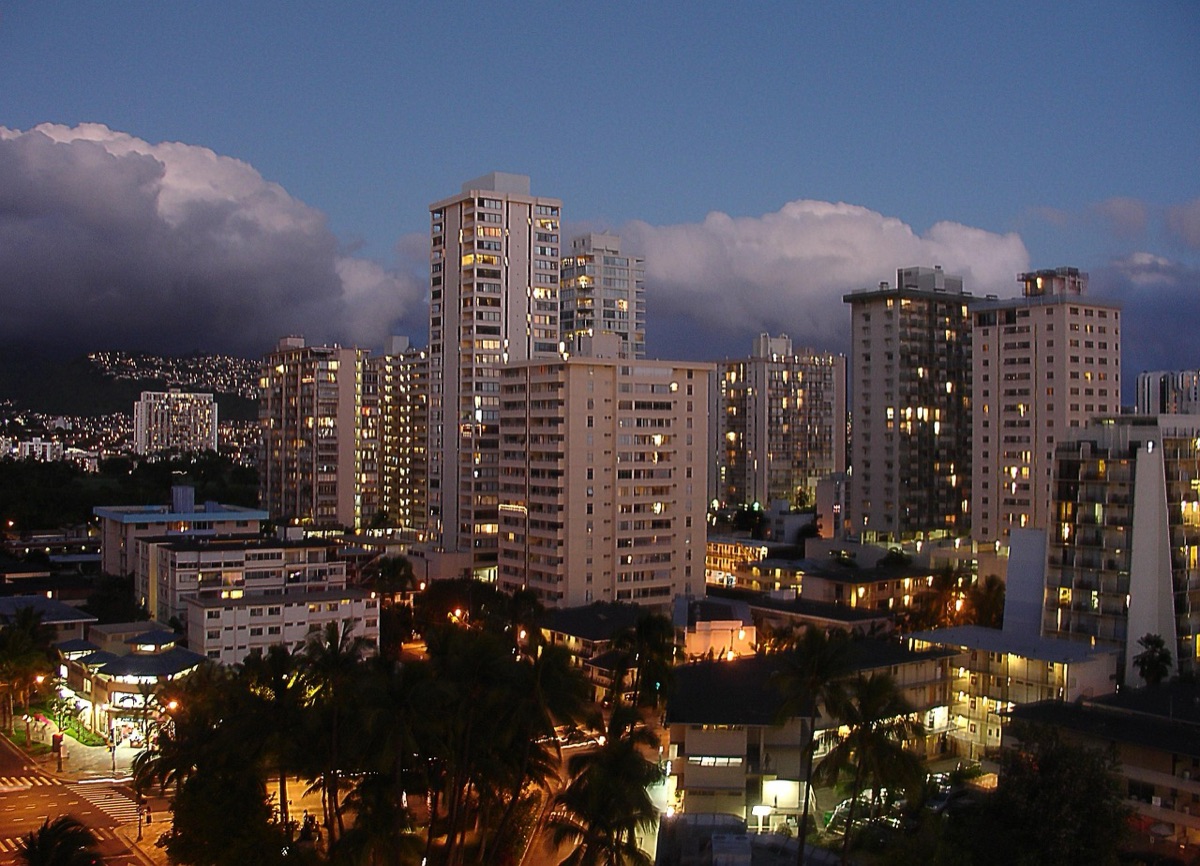
Walking through the Honolulu airport terminal in the summer of 2026, you can see the two types of travelers: those who arrived with everything planned and those who are staring at their phones in a state of mild panic. The difference is almost always in the pre-trip logistics.
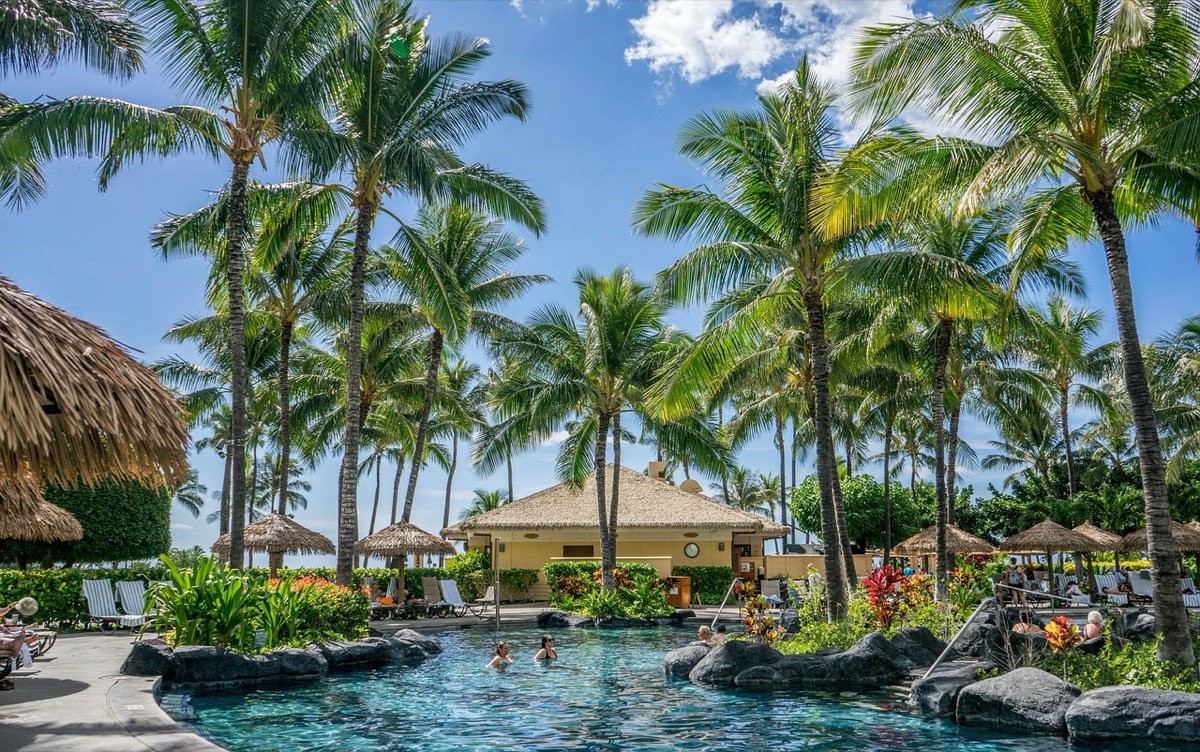
Your foundation begins with accommodation. Do you need a high-end resort in Wailea, or a long-term rental in a residential neighborhood to feel like a local?
For short trips, luxury resorts provide ease, but for stays longer than 14 days, a local rental often provides the kitchen and space necessary for a sustainable lifestyle.
Transportation is the next pillar. In Hawaii, a rental car is rarely an option; it is a necessity. Navigating the islands requires understanding driving dynamics, from the winding roads of the North Shore to the vast distances on the Big Island.
When planning, you must also account for inter-island travel. Flights between islands are frequent, but they add time and cost to your budget.
Budgeting should go beyond the ticket price. You must calculate daily costs for dining, fuel, and activity fees. A realistic budget includes the "hidden" costs of paradise, such as parking fees at popular beaches or the premium for last-minute activity bookings.
However, even the best logistics can't save a traveler from a bad schedule.
🏄 Why do so many itineraries end in exhaustion?
I once watched a family try to squeeze a sunrise volcano hike, a midday snorkeling trip, and a late-night luau into a single day in 2025. By the time they reached the luau, everyone was too tired to enjoy the food or the show. They had planned for sights, but they hadn't planned for energy.
To avoid this, move toward thematic, structured experiences rather than a simple checklist of sights. Instead of saying "we will go to the beach," decide on a theme for the day.
A "Water Day" might involve snorkeling in the morning and paddleboarding in the afternoon, while a "Mountain Day" focuses on hiking and scenic overlooks.
Activity sequencing is vital for maximizing your time. Group your activities geographically. If you are staying on the South Shore of Oahu, do not plan a midday excursion to the North Shore unless you want to spend 3 hours in traffic.
Integrate the "Local Touch" to break up the intensity of planned activities. A casual plate lunch from a local roadside stand is often more memorable and much more affordable than a formal sit-down lunch.
Mixing high-energy activities with low-impact cultural experiences, like a local market visit, ensures you don't burn out.
But what happens when you aren't just visiting, but actually living there?
🌴 How do you manage a long-term workation?
A digital nomad sitting in a quiet corner of a cafe in Kakaʻako represents a different kind of traveler. They aren't just visiting; they are living. For these travelers, the planning requirements shift from "what can I see" to "how can I function."
For those planning a workation, your priorities change. You need reliable high-speed internet, a quiet environment, and easy access to grocery stores. When staying longer than 2 weeks, you should look for accommodations that offer dedicated workspaces.
It is also wise to establish a routine that mimics a local rhythm—working during the cooler morning hours and exploring during the late afternoons.
Extended stays allow you to move beyond the tourist bubbles. You can learn the nuances of different microclimates and understand why certain areas are much wetter or cooler than others.
For example, travelers on the Big Island must be prepared for everything from tropical heat to the freezing temperatures found at high elevations. In May 1979, the record low temperature on the summit of Mauna Kea was observed at 12 °F.
Sustainable travel is also a core component of long-term stays. Respecting the local environment and the "Aloha Spirit" means being mindful of your footprint. This includes using reef-safe sunscreen and following local guidelines to protect the delicate ecosystems you have come to love.
When you are staying for months rather than days, you need a system to keep your sanity.
📋 The Ultimate Island Planning Checklist
When I first started planning my own extended trips to the islands, I realized that without a checklist, I was constantly reactive rather than proactive. Use this 5-step process to organize your journey.
- Identify Your Core Persona: Write down your primary goal (e.g., "Adventure" or "Relaxation"). This prevents you from booking a mountain trek when you actually need a spa.
- Select Your Anchor Island: Choose one primary island for your base. Do not attempt to visit more than 2 islands in a 7-day window to avoid travel fatigue.
- Map the Microclimates: Check the weather patterns for your specific destination. If you are going to Kauai, pack waterproof gear; if you are going to the Big Island, pack layers for the volcano.
- Layer Your Budget: Create three budget columns: Fixed Costs (flights/lodging), Variable Costs (food/gas), and Experience Costs (tours/activities).
- \\Schedule "Buffer Blocks": For every 3 days of planned activities, schedule 1 full day of nothing. This prevents the exhaustion I saw in that family in 2025.



Comments 0