Aloha Stadium history: 35 times Pro Bowl, why
The echoes of cheering crowds and the bright stadium lights once defined a central pillar of Hawaii's sports culture.
The transition of Aloha Stadium from a premier athletic hub to a silent structure marks a significant shift in the local landscape. This overview examines the venue's historical significance, its diverse sporting legacy, and the recent operational changes that halted fan attendance.
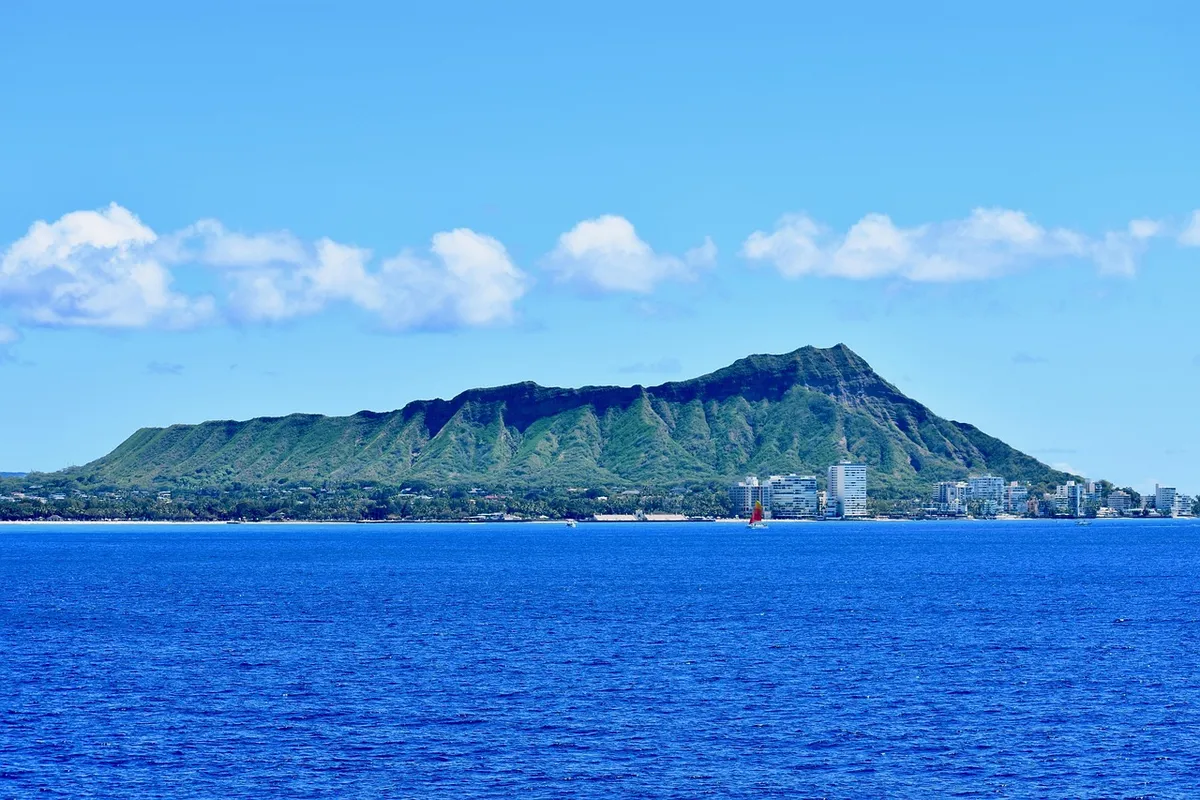
Key takeaways: 1. The stadium hosted major events including the Pro Bowl 35 times. * Operations ceased indefinitely following a 2020 announcement. * The venue featured unique movable seating sections for various sports.
What defined the Aloha Stadium history?
As the sun set over the field, the heavy hum of moving steel seats echoed the spirit of aloha through the stadium.
A group of spectators once sat in tiered sections that could be rearranged to fit the specific needs of a game. The venue was designed with four movable 7,000-seat sections, where each unit weighed 3.5 million pounds and could move using air casters.
These sections allowed for a diamond configuration for baseball or soccer, an oval for football, or a triangle for concerts.
The stadium's versatile design facilitated a wide range of athletic competitions over the decades. For instance, the NFL's all-star game, the Pro Bowl, was held annually at the stadium a total of 35 times from 1980 through 2016, except in 2010 and 2015.
This consistent hosting of high-profile professional events established the venue as a cornerstone of regional sports.
How did the venue serve as a Hawaii sports venue?
At sunset, athletes felt the warm breeze while competing on the field that embodied the spirit of aloha.
Teams from different continents once traveled to the islands to compete on this specific field.
In June, the Brisbane Broncos from the Australasian-based National Rugby League (NRL) competition organized for a rugby league match to be played at Aloha Stadium against NRL rivals Penrith Panthers later in 2015.
Throughout its active years, the stadium served as a primary destination for both professional leagues and local fans.
What drove the stadium construction plan?
Engineers watched the heavy steel move at dusk, feeling the vibration of a design meant to capture aloha.
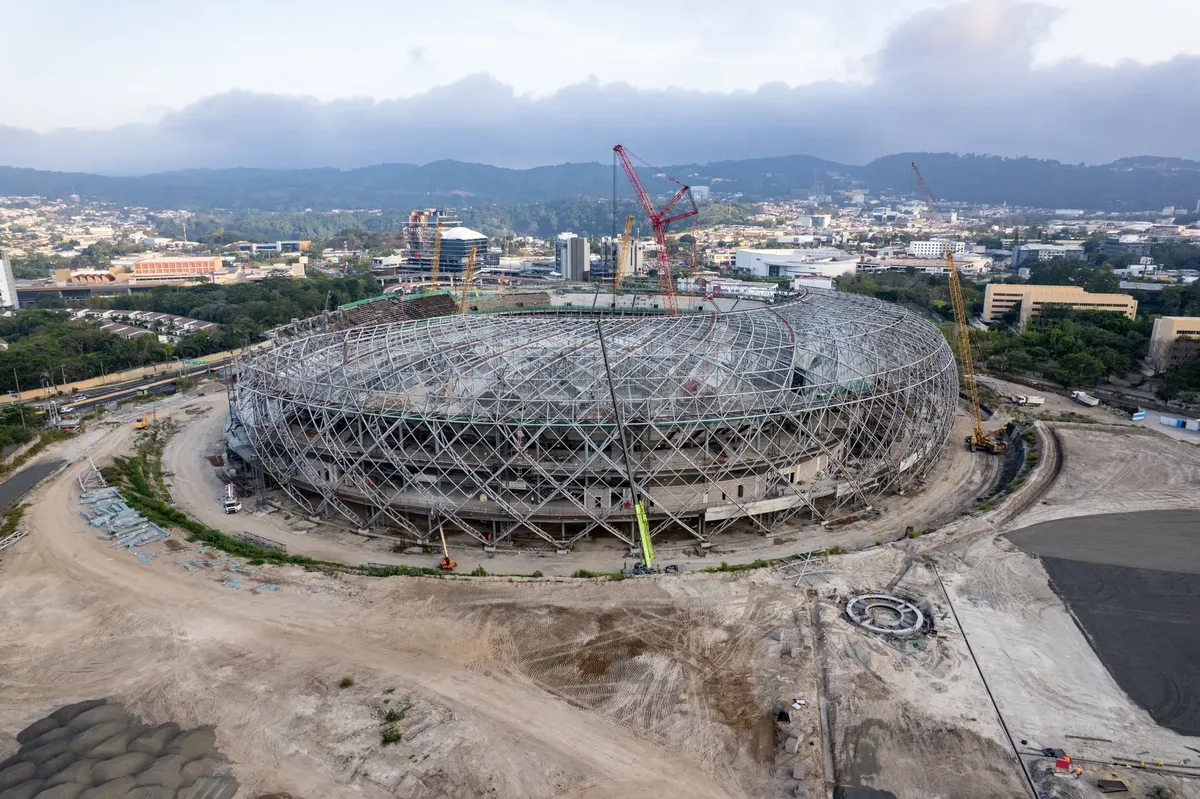
The original vision for the site involved creating a massive, multi-purpose facility west of downtown Honolulu. Constructed in 1975 at a cost of $37 million, the stadium was positioned 2 miles north of Honolulu International Airport.
The unique engineering of the seating sections allowed the venue to adapt to different field requirements. This flexibility was essential for transitioning between baseball, football, and large-scale concerts.
What is the current state of the stadium construction plan?
An empty field now sits where thousands once gathered to watch professional athletes. A December 17, 2020, announcement by the Aloha Stadium Authority stated that the stadium would be ceasing fan-attended operations indefinitely.
This decision marked the end of an era for regular public gatherings at the site. While the physical structure remains, the absence of fans has changed the atmosphere of the venue entirely.
How did team proposals impact the stadium construction plan?
In 2020, there were discussions regarding the future of the venue as a home for new professional franchises. It was proposed that Kanaloa Hawaii, a proposed Major League Rugby (MLR) team, be based at Aloha Stadium after "a few years" in a smaller venue.
However, the proposal did not result in a permanent home for the team. MLR and Kanaloa Hawaii did not reach an agreement for the team to join the league.
How does the stadium compare to other sports venues?
The scale of the stadium was often compared to other regional facilities due to its massive seating capacity and specialized equipment.
According to the Honolulu Museum of Art Spalding House, the museum has been the state's only contemporary art museum since the merger of the Honolulu Academy of Arts and The Contemporary Museum, Honolulu, in 2011.
| Feature | Specification |
|---|---|
| Movable Section Weight | 3.5 million pounds |
| Pro Bowl Occasions | 35 times |
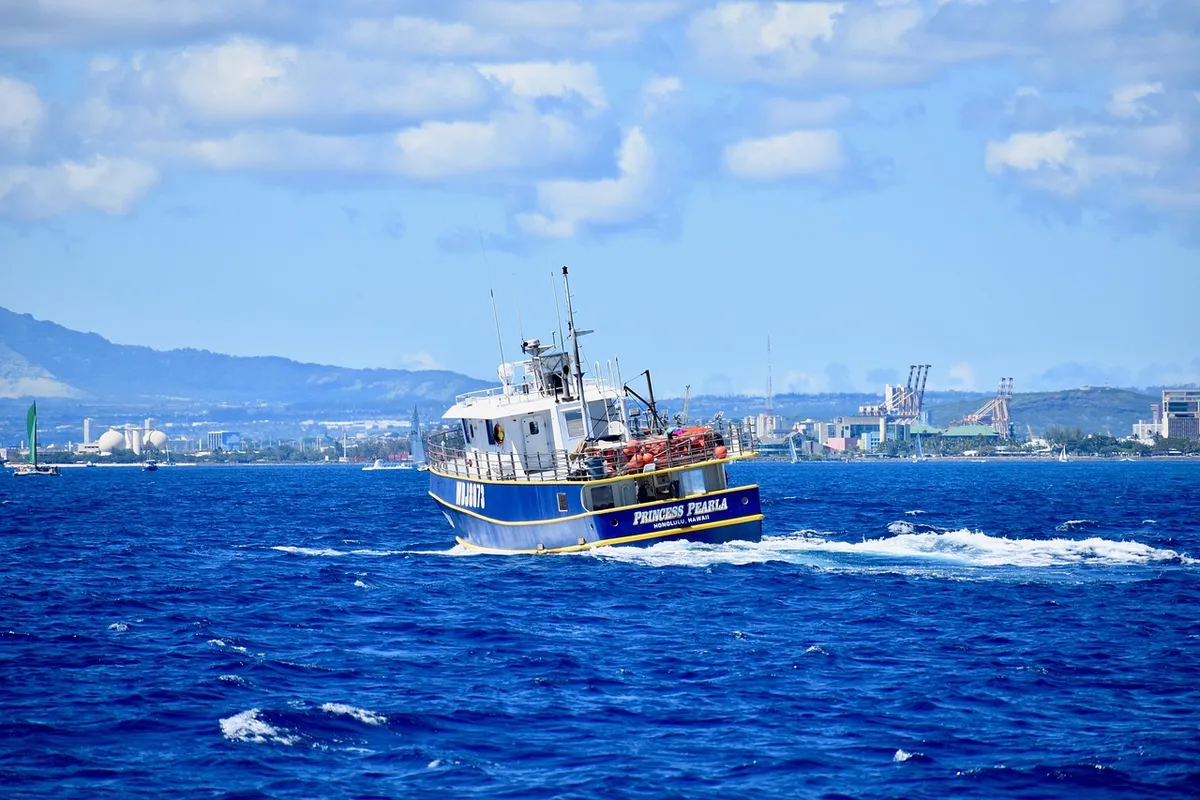
I remember looking at the massive weight of those movable sections and wondering how they moved so smoothly. These comparison points highlight the engineering complexity required to maintain such a large-scale facility.
A limitation of the venue's history is that the proposed rugby team agreement was never finalized.
Wikipedia: Honolulu Based on the retained excerpt mentioning Census Bureau: In 1970, the Census Bureau reported Honolulu's population as 33.9% white and 53.7% Asian and Pacific Islander.
- What defined the Aloha Stadium history?
- How did the venue serve as a Hawaii sports venue?
- What drove the stadium construction plan?
The subject here is Aloha Stadium history.
Related
- Hawaiian political change: Why local service matters most
- Hawaii Workation: Essential Checklist for Your Island Life
Why were the movable sections so important?
The movable sections were crucial because they allowed the venue to transform its shape to suit the specific demands of the sport being played. Each of the four sections weighed 3.5 million pounds, and they could be repositioned using air casters to achieve the desired configuration.
This adaptability meant the same physical space could accommodate various athletic contests.
The echoes of cheering crowds were dependent on this engineering marvel, which facilitated the transition between different playing surfaces. The sections could form a diamond shape suitable for baseball or soccer, an oval for football matches, or a triangle for concerts.
This versatility maximized the facility's utility over its lifespan.
What was the stadium's role in the broader community?
The stadium served as a major gathering point for the community during its active years. The bright stadium lights once illuminated significant local and visiting events. The venue was a central pillar of Hawaii's sports culture, drawing attention both locally and internationally.
The stadium hosted major events, including the Pro Bowl 35 times, demonstrating its role in national sporting calendars. The successful execution of these varied events underscored its importance to the region. The silent structure now contrasts sharply with its past vibrancy.
Why was the engineering so critical?
The movable sections were essential because they allowed the venue to morph its layout to match the specific requirements of the scheduled event. Each of the four sections weighed 3.5 million pounds, and their movement relied on air casters for precise placement.
This engineering feat enabled the stadium to transition between different sports fields and concert configurations.
The echoes of cheering crowds depended on this mechanical capability, which facilitated the shift between playing surfaces. The sections could be arranged into a diamond shape for baseball or soccer, an oval for football, or a triangle for concerts, maximizing the facility's functional lifespan.
How did the stadium reflect regional identity?
The stadium served as a focal point for the community during its operational phase. The bright stadium lights once shone upon significant local and visiting gatherings. The venue represented a central pillar of Hawaii's sports culture, attracting both regional and international audiences.






Comments 0