Spring temperatures: Best time to visit Hawaii guide
"The weather in the islands remains remarkably consistent, offering a gentle balance between the heat of summer and the coolness of winter."
The best time to visit Hawaii often depends on personal preference for warmth or mildness, but spring offers a unique transition. Choosing this season allows travelers to enjoy moderate temperatures and pleasant ocean conditions before the peak summer heat arrives.
Key takeaways include stable sea-level temperatures, manageable heat in leeward areas, and a diverse range of climate groups to explore.
Why choose April for Hawaii spring travel?

In the bright morning sun, I breathe in the salty air while standing on a balcony to celebrate the arrival of spring.
A traveler stands on a balcony in Honolulu, feeling a light breeze that carries the scent of salt air. The sun is bright but lacks the intense, heavy heat typical of late summer months.
The best time to visit Hawaii can be found in the transitional weather of the spring months. During this time, temperatures at sea level generally range from 79–83 °F (26–28 °C) during the winter months toward the warmer summer peaks.
This makes the climate comfortable for outdoor activities without the extreme heat of July or August.
The variety of landscapes makes the trip worthwhile. For example, the island of Hawaiʻi hosts four climate groups on a surface of 4,028 square miles (10,430 km2), including tropical, arid, temperate, and polar. This diversity ensures that travelers can find a climate that suits their specific needs.
I find that the second point in this sequence is the most important.
How does April in Hawaii weather compare to other seasons? Best time to visit Hawaii
As I hike the forest trail during the morning, the gentle spring breeze feels cool against my skin.
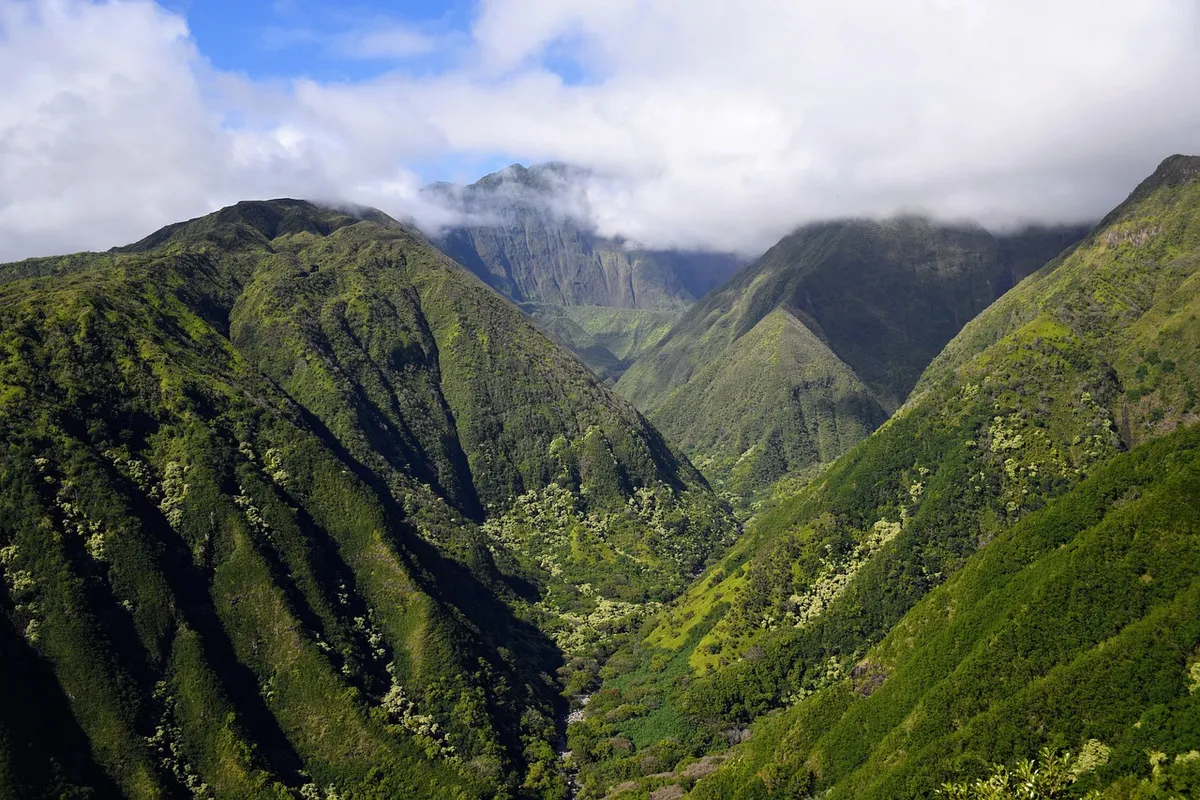
A hiker climbs a trail in the morning, noticing the cool air before the sun climbs higher in the sky. The path transitions from a lush forest to a sun-drenched clearing.
Understanding the seasonal shifts helps in planning. While summer highs can reach 84–88 °F (29–31 °C), the spring offers a more moderate baseline. Temperatures of 90 °F (32 °C) and above are uncommon, except in dry, leeward areas.
The ocean temperature also plays a role in the experience. Between late February and early April, surface waters of the open ocean range from 75 °F (24 °C).
This provides a refreshing environment for water sports before the water reaches its maximum of 82 °F (28 °C) in late September or early October.
According to World Bank, the 2024 record includes 94.7%.
What makes this the ideal travel season?
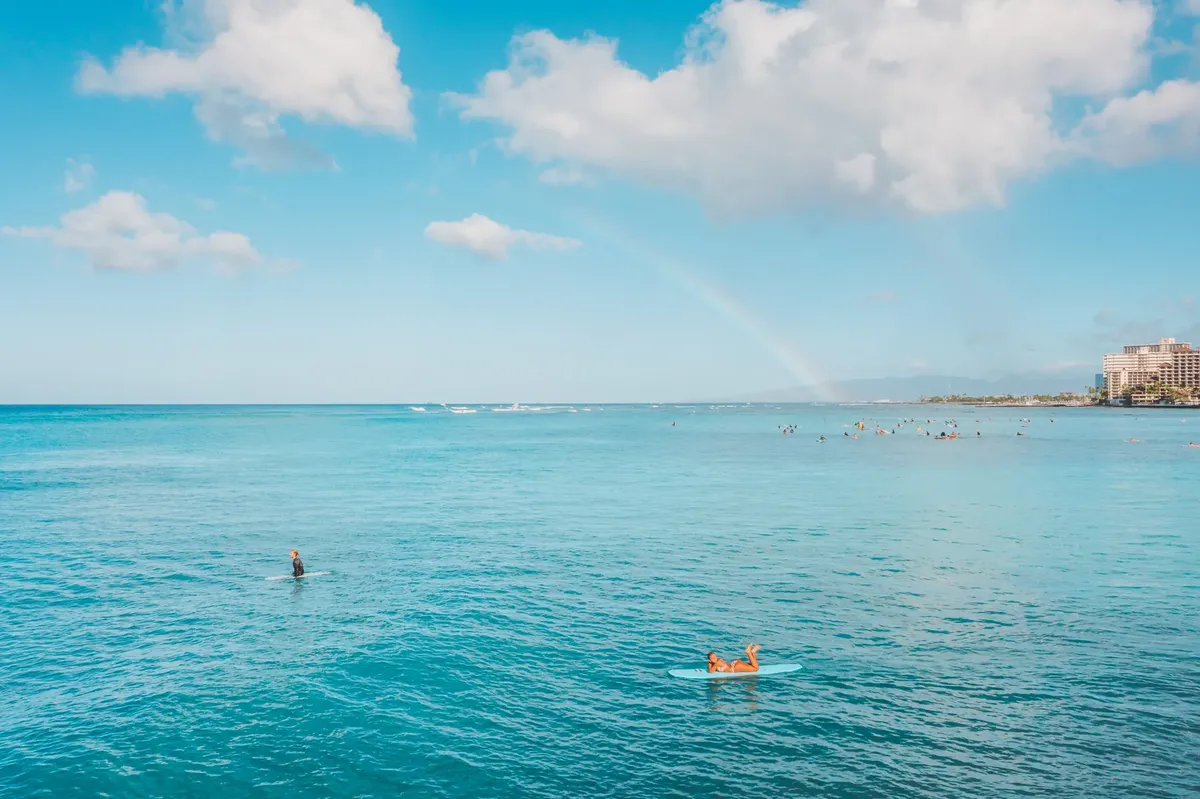
A surfer paddles out into the turquoise water, the swell moving steadily toward the shore. The morning light reflects off the surface of the sea.
The ideal travel season offers a balance of sun and manageable warmth. In many areas, the temperature rarely rises above 90 °F (32 °C) or drops below 60 °F (16 °C) at lower elevations. This stability is perfect for those who want to avoid both extreme heat and sudden cold.
In the leeward areas, temperatures may reach into the low 90s °F or 32-34 °C several days during the year, but temperatures higher than these are unusual. This makes the dry side of the islands pleasant for beachgoers.
How to plan your Hawaii trip timing
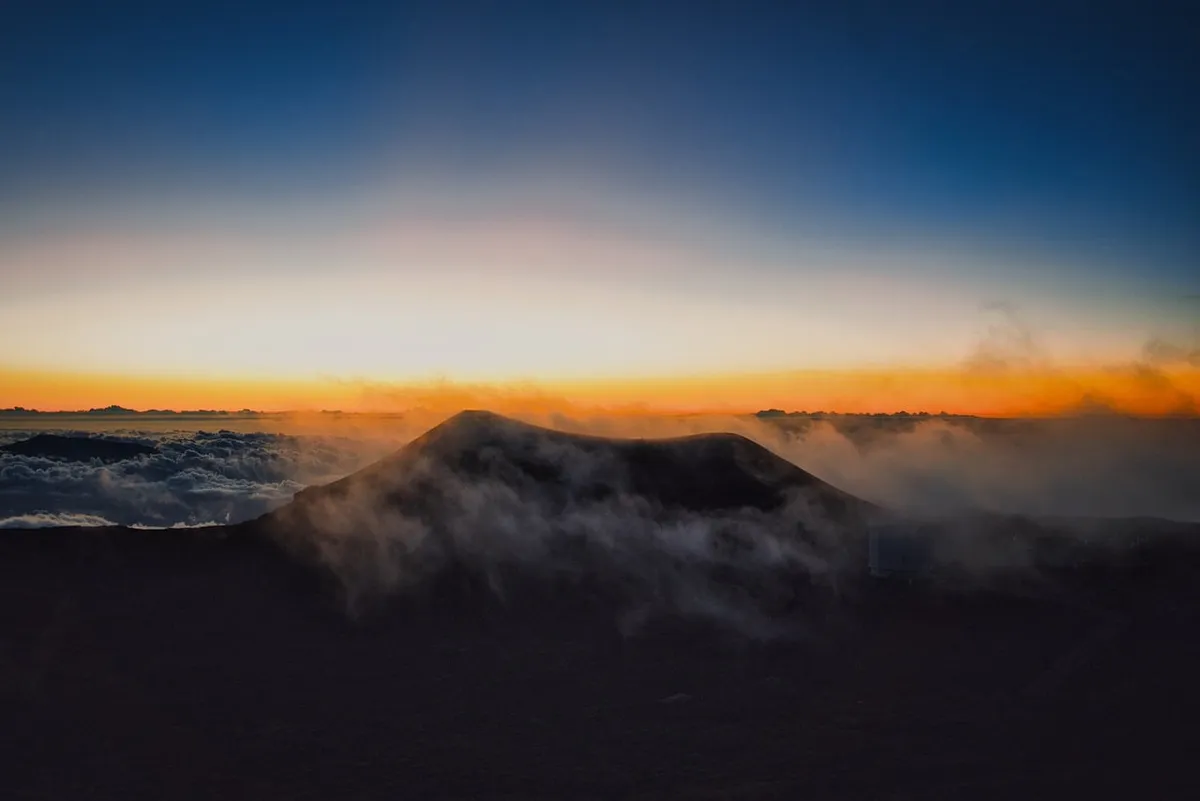
A traveler sits at a wooden table, marking dates on a paper calendar while sipping a cool drink. The sunlight streams through the window, illuminating the map of the islands.
To make the most of your visit, follow these steps:
- Monitor the local forecast to account for the different climate groups across the islands. 2. Pack layers to handle the transition from coastal warmth to higher elevation coolness. 3. Plan activities for the morning to enjoy the most consistent temperatures.
I remember checking the weather for a high-altitude trek and realizing how much the temperature could shift from the coast. Always verify the specific area you are visiting, as leeward regions will be warmer than windward sides.
| Season Feature | Temperature Range |
|---|---|
| Winter Months | 79–83 °F (26–28 °C) |
| Summer Months | 84–88 °F (29–31 °C) |
- Determine your preferred island itinerary.
- Check seasonal flight availability.
- Book your accommodations in advance.
Is the weather predictable during this time?
A person walks through a botanical garden, observing the vibrant colors of tropical flowers. The air is still, and the humidity is low.
The predictability of the weather is one of the main draws. While the weather is generally stable, it is important to note that the highest temperature ever recorded on the islands was 100 °F (38 °C) on April 27, 1931, in Pāhala. This shows that while extreme heat is rare, it is possible.
The climate remains diverse across the islands. Because the different climate groups are spread across a relatively small surface area, travelers can experience multiple environments in one trip.
World Bank Based on the retained excerpt mentioning World Bank: According to World Bank data, the United States recorded share of internet users of 94.7% in 2024.
This part also covers Hawaii climate tips.
This part also covers Optimal travel dates.
Related
What should travelers consider regarding the islands' weather?
Travelers should consider the range of climate groups when planning activities across the islands. Because the islands host tropical, arid, temperate, and polar environments, the weather can change significantly between different locations.
- Compare the warmth of leeward areas to the cooler windward sides. 2. Account for the transition from sea-level temperatures to higher elevation coolness. 3. Monitor the seasonal shift from winter lows to summer peaks.
When visiting, compare the coastal temperatures to the higher elevations. The temperature at sea level is generally more stable than the conditions found in higher climate groups.
Always prepare for the possibility of heat in the leeward regions, as temperatures there may reach the low 90s °F (32-34 °C).




Comments 0