Hawaiian Polynesian roots: Guide to island identity
"The identity of an island nation is often written in the currents of the ocean and the traditions passed through generations of voyagers."
The unique identity of the Hawaiian Islands stems from a deep connection to Polynesian roots and a specific geographic isolation in the Pacific. This article examines how ancestral heritage and physical location shape a distinct cultural landscape.
Key takeaways include the profound influence of seafaring history on identity, the role of geographic isolation in preserving tradition, and the tension between modern development and historical preservation.
How do geographic roots of Hawaii shape its identity?

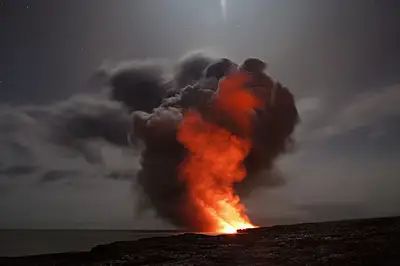
At dawn, a traveler touches the jagged volcanic rock of the hawaiian coastline and feels the cold spray of the Pacific against their skin.
A navigator stands on a wooden hull, watching the stars to guide a vessel across an endless blue horizon. This ancestral skill defines the early history of the islands, where movement across vast distances was a way of life.
The geographic roots of Hawaii are tied to the movement of people across the Pacific, where skilled voyagers settled remote islands using celestial navigation. This isolation ensured that while the culture remained distinct, it shared a fundamental lineage with other Pacific groups.
The vast distance from mainland continents allowed for a unique evolution of social structures and spiritual practices.
The relationship between the land and the sea forms the backbone of local life. Every mountain and coastline tells a story of survival and settlement. This connection remains a primary element of the local spirit.
What defines the deep Polynesian culture within the islands? Hawaiian Polynesian roots
An elder demonstrates the precise movement of a traditional dance, every hand gesture echoing a story of the gods. The rhythm of the drum matches the heartbeat of the community.
The deep Polynesian culture of the islands is characterized by a strong sense of community, respect for lineage, and a spiritual connection to the natural world. This heritage is visible in oral traditions, traditional arts, and the way social hierarchies were historically organized.
These elements create a sense of continuity that bridges the gap between the past and the present.
This cultural foundation provides a sense of belonging to the people. It serves as a compass for navigating modern changes while maintaining a sense of self.
According to World Bank, the 2024 record includes 94.7%.
How is the Pacific island identity maintained today?
A community gathers at a local gathering place to share a meal and recount stories to the younger generation. The air is filled with the sounds of shared laughter and rhythmic chanting.
The Pacific island identity is maintained through the active practice of traditional customs in everyday life. While modern influences are present, the core values of the community remain anchored in ancestral wisdom.
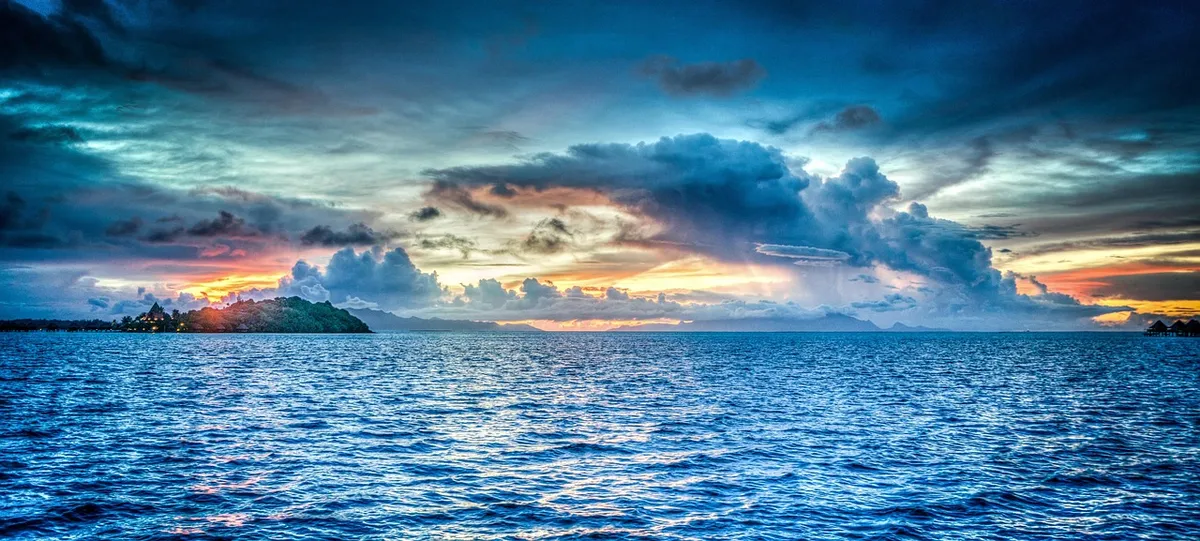
Festivals, language revitalization, and traditional crafts act as vital links to the past.
Local traditions are not just historical artifacts but living practices. They evolve to meet the needs of the current generation while honoring the ancestors.
What is the Hawaiian place in Pacific history?
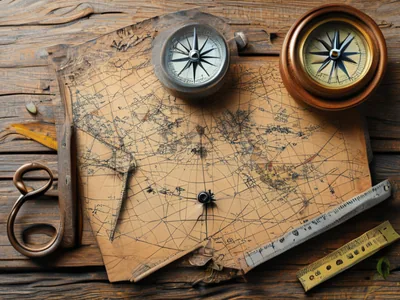
A map spread across a wooden table shows the vast distances between scattered island chains. Fingers trace the lines of currents and winds that once guided the great voyagers.
The Hawaiian place in the Pacific is defined by its role as a central hub in the vastness of the ocean. Historically, it was a destination of great significance, representing the furthest reaches of Polynesian expansion.
This positioning made it both a secluded sanctuary and a crossroads for maritime travelers.
The islands occupy a unique space where isolation met exploration. This duality shaped the resilience and the strategic importance of the region.
How does the Polynesian heritage link connect to modern life?
A student learns the intricacies of a traditional way of life, balancing modern education with ancestral teachings. The classroom meets the outdoors in a seamless exchange of knowledge.
The Polynesian heritage link remains a powerful force in modern decision-making and social organization. It influences how people interact with the environment and how they approach community governance. This link ensures that even as the world changes, the essence of the culture is not lost.
Modernity does not erase history; it provides new tools to express it. The heritage serves as a foundation for future growth.
Understanding the intersection of heritage and change
A traveler walks through a bustling town, noticing how traditional motifs appear on modern buildings. The scent of tropical flowers mixes with the sounds of a contemporary city.
The intersection of heritage and change requires a delicate balance to prevent the dilution of identity. When modern development occurs, the community must work to ensure that the physical landscape continues to reflect its cultural history.
This process involves integrating traditional knowledge into contemporary life.
| Aspect | Traditional Influence | Modern Application |
|---|---|---|
| Social Structure | Ancestral Lineage | Community Leadership |
| Resource Management | Sacred Land Stewardship | Sustainable Development |
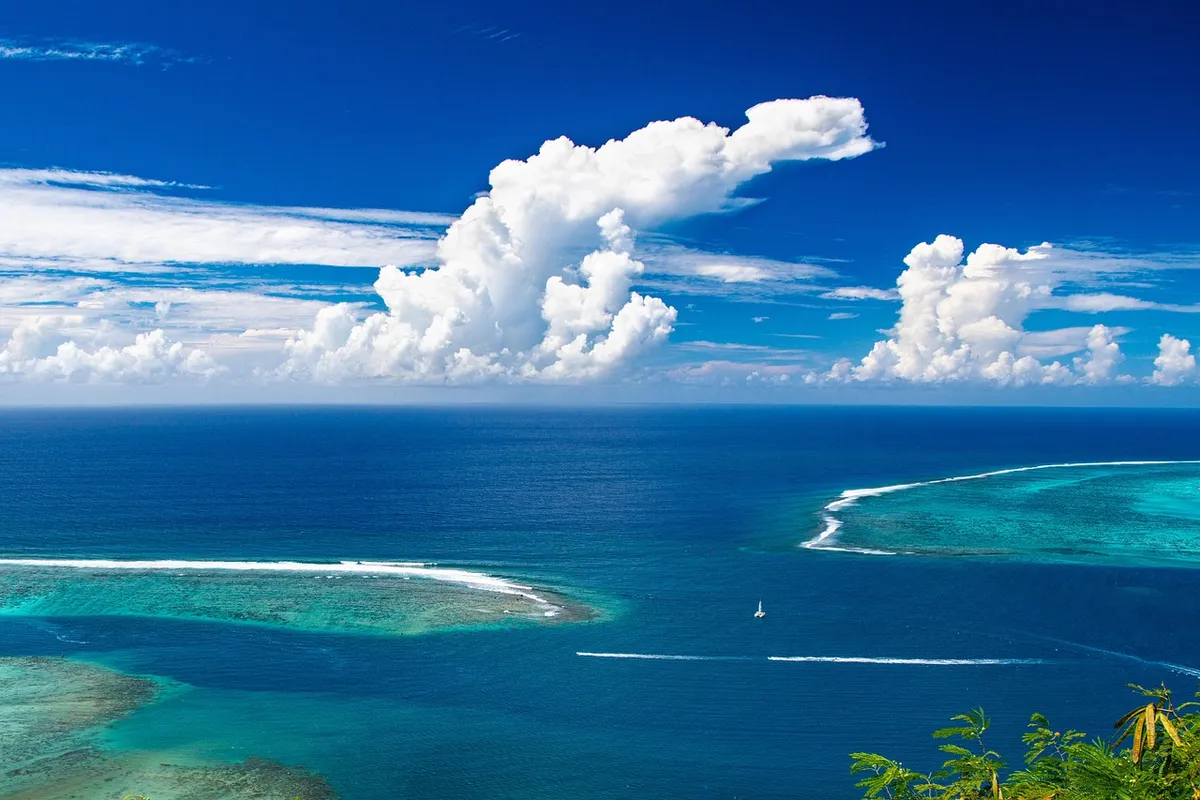
I observed how these traditional values are often the first point of reference when modern challenges arise. Maintaining this balance is a constant process for the community.
A limitation of this analysis is that it cannot account for the specific socio-political shifts occurring in every individual island community.
World Bank Based on the retained excerpt mentioning World Bank: According to World Bank data, the United States recorded share of internet users of 94.7% in 2024.
- How do geographic roots of Hawaii shape its identity?
- What defines the deep Polynesian culture within the islands?
- How is the Pacific island identity maintained today?
Related
- Hawaiian islands map history: Political shifts guide
- Culture guide: Hawaiian identity shapes islands' past
How does the ocean influence the island identity?
The ocean acts as the primary medium through which the island identity develops and sustains itself. It was the medium for initial arrival, requiring advanced navigational skills from the ancestors.
Furthermore, the ocean remains a constant presence, influencing the rhythms of daily life and the spiritual worldview of the inhabitants.
The vastness of the Pacific ocean dictated the initial patterns of settlement and migration. This dependence on the sea underscores the deep-seated relationship between the people and their marine environment.
The ocean is not merely a backdrop but an active participant in the cultural narrative of the island.
What is the modern challenge to the island identity?
The modern challenge lies in balancing the powerful pull of global connectivity with the need to preserve unique cultural markers. Modern development brings outside influences that contrast with the deep-rooted traditions.
Successfully navigating this tension is crucial for the enduring identity of the island.
This balance requires conscious effort from the community members themselves. They must integrate contemporary realities while honoring the wisdom embedded in ancestral practices. The preservation of the island identity depends on this careful integration.






Comments 0