Hawaii Seasons: Match Your Trip to the Pacific's Rhythm
"The wind changes, the waves grow, and the whales return, turning the islands into a different world every few months."
Choosing the right time to visit Hawaii isn't just about avoiding rain; it is about matching your soul's desire to the rhythm of the Pacific. Whether you want to surf massive swells on the North Shore or snorkel in calm, turquoise waters, your timing dictates your entire experience.
Key Takeaways * Hawaii’s "seasons" are defined by trade winds and marine life rather than traditional temperature shifts. * The wet season brings lush greenery but requires flexibility with outdoor plans. * Specific activities, like whale watching, are strictly tied to winter months.
* Balancing peak holiday crowds against shoulder season prices is the key to a successful trip.
Why Timing Matters: Understanding Hawaii's Micro-Seasons vs. Global Seasons
I remember standing on a balcony in Waikiki during a late July afternoon in 2025, feeling the heat radiate off the pavement while the trade winds offered only a faint, warm breeze. The air felt heavy, almost expectant, as if the islands were holding their breath before the winter swells arrived.
In Hawaii, the concept of "seasons" is deceptive because the temperature rarely fluctuates wildly. Instead, we live by the rhythm of the trade winds and the shifting currents of the Pacific. In the traditional sense, we have a wet season and a dry season, but the reality is much more nuanced.
On the leeward sides of islands like Oahu or Maui, you might experience perpetual sunshine, while the windward sides can be quite lush and rainy year-round. In 2026, travelers are finding that understanding these nuances is vital for planning.
The "High Season" typically aligns with winter holidays and summer breaks, bringing massive crowds and inflated prices. However, there is also a "cultural season" driven by the migration of marine life and the changing intensity of the swells.
For example, a traveler looking for calm, warm water for snorkeling will have a very different experience in August than they will in January. Understanding these micro-seasons is the difference between a trip spent shivering in a wetsuit and one spent basking in the sun.
But what happens when the weather shifts from sunny to stormy?
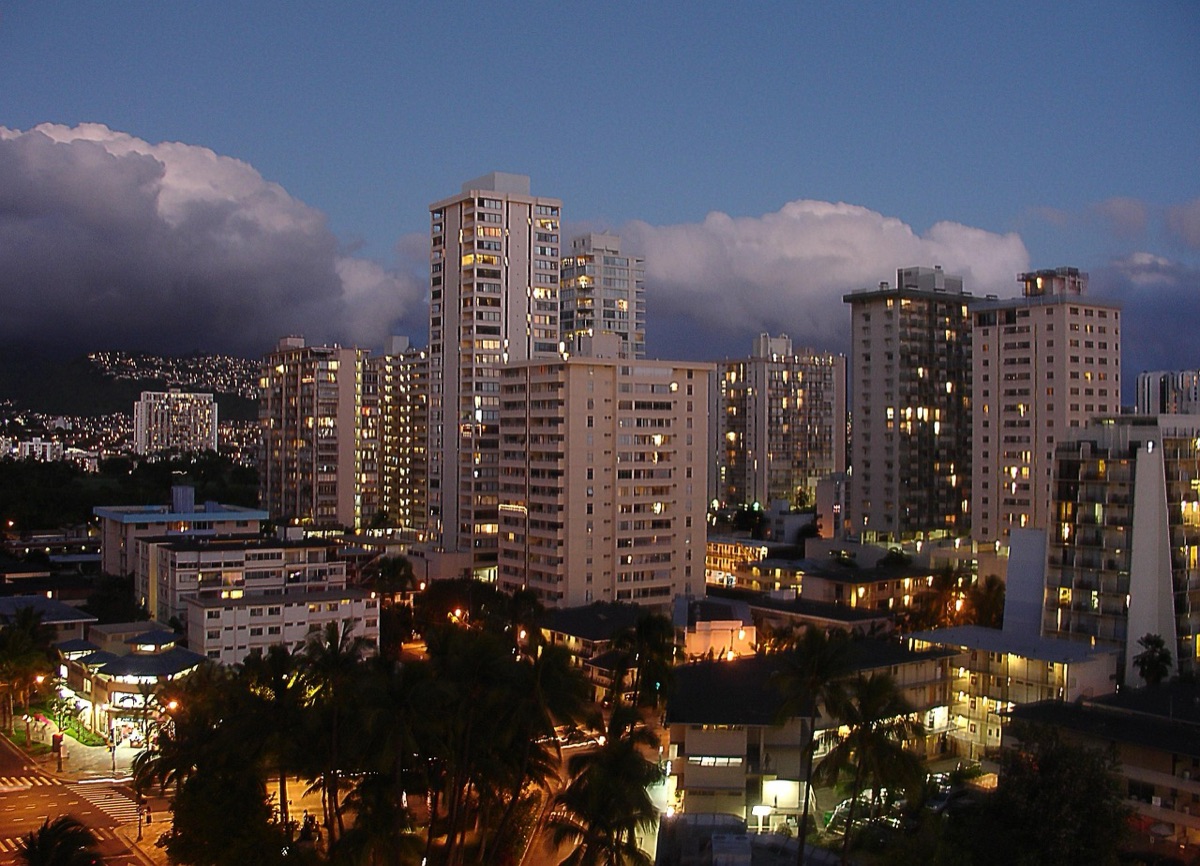
What will the weather be like on each island? Walking through a tropical downpour in Hilo in early 2026, I once found myself ducking under a broad ti leaf, watching the rain turn the volcanic soil into a rich, dark red river in seconds.
It wasn't a storm that ruined the day, but a sudden, heavy burst of life that cleared the air and cooled the earth.
The Dry Season (High Sun/Ideal Beach Days) Typically running from April to October, the dry season offers the most consistent sunshine. This is the prime time for travelers who want to spend every waking hour on the sand.
The water is generally warmer and much calmer, making it the gold standard for snorkeling and paddleboarding. On islands like Maui or the Kona coast of the Big Island, the weather during these months is predictably beautiful.
The Wet Season (Trade Wind Impact) From November to March, the islands enter a wetter phase. While it doesn't rain all day, the showers can be intense and frequent, especially on the windward coasts of Kauai and Oahu.
These rains are essential for the incredible greenery that defines the islands, but they require a different mindset. You will need waterproof gear and a willingness to pivot your plans when a sudden squall rolls in.
Seasonal Extremes Deep winter (January/February) brings the most dramatic swells. This is the season of the giant waves, where professional surfers take on the North Shores. While beautiful to watch from a distance, the ocean can be dangerous for casual swimmers during this time.
Conversely, deep summer (July/August) can feel quite humid, and the lack of strong trade winds can lead to stagnant, hot afternoons.
But weather is only one part of the equation; what about the activities you actually want to do?
Which season matches my travel goals? I sat at a small cafe in Hanalei once, watching a young couple plan their honeymoon over iced coffees, debating whether to go in the winter for the excitement or the summer for the ease. It hit me then that there is no "perfect" time, only the perfect time for *them*.
The Romance Traveler (Honeymoon/Couples) For those seeking a romantic backdrop, the shoulder seasons of April–June and September–November are often best. The crowds are thinner, the prices are more manageable, and the weather is pleasantly warm without being stiflingly humid.
It allows for more intimate moments at sunset without the interference of massive tour groups.
The Family Adventurer Families with young children often thrive in the summer months. The calmer waters make swimming much safer and more enjoyable for little ones, and the heat is easier to manage with frequent dips in the pool.
However, be prepared for higher prices and crowded attractions during these school-break windows.
The Wildlife Enthusiast If your primary goal is to see Humpback whales, you must time your trip between December and April. The southern migration brings these giants into the warm Hawaiian waters. This is a transformative experience, but it requires traveling during the cooler, wetter months.
The Digital Nomad/Long-Term Visitor For those looking to work remotely or stay for a month, the shoulder seasons offer the best balance of cost and comfort.
In 2026, as remote work remains a staple, you can find better long-term rental rates in the late spring or fall, and you won't be fighting the peak-season rush for a quiet workspace.
But how do you actually organize your itinerary to make the most of these shifts?
Planning Your Visit: A Step-by-Step Guide
Standing in the middle of a crowded airport terminal in Honolulu, I realized that successful travelers don't just wing it; they have a strategy for the elements.
To ensure your trip is successful, follow this checklist to align your plans with the environment:
- Identify your primary activity: Do you want to surf big waves or snorkel in clear water? This choice dictates your month.
- 2.standing in the middle of a crowded airport terminal in Honolulu, I realized that successful travelers don't just wing it; they have a strategy for the elements.
- Check the windward vs. leeward status: Research which side of your chosen island you will be staying on to avoid unexpected heavy rain.
- Layer your wardrobe: Pack lightweight, quick-dry clothes for the heat and a light waterproof shell for sudden tropical showers.
- Book "pivot" activities: Always have a museum, cafe, or indoor activity planned in case a sudden rainstorm hits your outdoor excursion.
| Goal | Recommended Months | Recommended Islands |
|---|---|---|
| Surfing (Big Waves) | November – March | Oahu (North Shore), Kauai |
| Snorkeling (Calm Water) | May – September | Maui, Oahu, Big Island |
| Whale Watching | December – April | Maui, Oahu |
| Budget/Quiet Reflection | April–June, Sept–Nov | All Islands |
Beyond Weather: Local Events and Cultural Immersion
The smell of roasted pig and fresh floral leis wafting through a town square during a festival is a sensory experience that no weather report can capture. It is the heartbeat of the islands, pulling people together regardless of the rain.
In 1970, the Census Bureau reported Hawaii's population was 38.8% white and 57.7% Asian and Pacific Islander. According to World Bank, the United States recorded share of internet users of 94.7% in 2024.
Major annual festivals provide a window into the deep cultural roots of the islands. In the winter, you might find large-scale events that celebrate the sheer power of the ocean, while summer often brings more community-focused festivals and parades.
These events can significantly impact travel logistics, as hotels in festival hubs will book up months in advance. In 2026, planning around these dates is essential for securing lodging.
There is also a stark contrast between the "bustle" of peak season and the quiet authenticity of the off-peak months. During the holidays, the islands are electric, loud, and festive.
In the quieter months, you get a glimpse of the true local rhythm—the slow, intentional pace of life that defines the spirit of Aloha. For travelers seeking a deeper connection to the land and its people, the quieter months often provide the most profound insights.


Comments 0