How long should I stay for a Hawaii workation?
"The sea remains a constant, yet the ways we inhabit it change with every passing tide."
Determining the best duration for a Hawaii workation requires balancing professional obligations with the local pace of life. This guide helps you set workation time in Hawaii by examining historical travel patterns and modern tourism trends.
Key takeaways include understanding seasonal booking shifts, recognizing differences in regional stay lengths, and acknowledging the impact of local regulatory changes on travel logistics.
How long should I stay for a Hawaii workation?
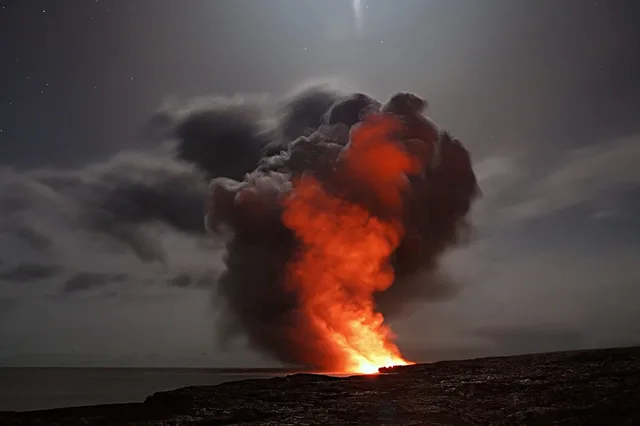
You stare at your laptop screen during sunset in Hawaii while feeling the warm breeze against your skin.
A laptop sits on a wooden desk overlooking the Pacific as the sun begins to dip toward the horizon. Choosing a duration depends heavily on your origin and intended lifestyle.
Data shows that the average Japanese tourist now stays only 5 days. In contrast, the average East Asian tourist from China or Korea stays more than 9.5 days and spends 25% more.
Understanding these Hawaii workation length tips helps you decide if you are looking for a quick retreat or a deep immersion.
A stay of at least two weeks is ideal to balance professional responsibilities with island exploration.
What seasonal changes affect my booking? Hawaii workation length tips
You tap your fingers impatiently against the desk during a heavy monsoon in Hawaii while feeling the sudden chill in the air.
A traveler scrolls through hotel availability, noting that availability fluctuates based on the time of year. You must account for shifts in demand when planning your schedule.
Mufi Hannemann, president and CEO of the Hawaii Lodging and Tourism Association, stated that bookings for Hawaii after Labor Day would be lower than the very strong 2021 summer levels.
If you plan to work while traveling, timing your arrival around these shifts might offer more flexibility in accommodations.
- Monitor weather patterns to avoid the rainy season.
- Check local holiday schedules for peak pricing.
- Book accommodations well in advance for the summer months.
How does tourism sustainability affect my stay?
You walk slowly through the lush valleys of Hawaii at midday and inhale the scent of damp earth.
The sound of waves hitting the shore provides a backdrop for a focused afternoon of calls. Respecting the local environment is a core component of modern travel.
According to The Sustainable Tourism Association of Hawaii, the organization was founded in 1995 as a 501(c)(3) nonprofit to nurture the development of sustainable tourism in Hawaii.
The Sustainable Tourism Association of Hawaii (formerly the Hawaii Ecotourism Association) was founded in 1995 as a 501(c)(3) nonprofit to nurture the development of sustainable tourism in Hawaii, according to the Hawaii Ecotourism Association.
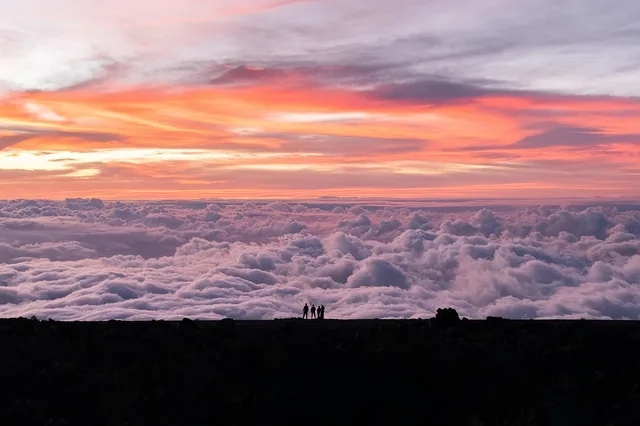
The Sustainable Tourism Association of Hawaii was founded in 1995 as a 501(c)(3) nonprofit to nurture the development of sustainable tourism in Hawaii. When setting your workation period, consider how your presence aligns with these local efforts to maintain the islands' integrity.
Choosing eco-friendly lodging and supporting local businesses helps preserve the islands' natural beauty.
How did historical travel influence these durations?
An old maritime map shows the long routes once taken by explorers and ships. The history of arrival in the islands is marked by long voyages and unexpected repairs.
In January 1779, ships anchored in Kealakekua Bay and stayed for 19 days. While these historic stays were often dictated by necessity, they set a precedent for the islands as a significant stopover in the vast Pacific.
Longer voyages in the past meant travelers stayed for months, whereas modern flight accessibility allows for shorter, more frequent trips.
What logistics should I prepare for?
A suitcase is packed with chargers and lightweight clothing for the tropical humidity. Planning your movement requires checking current local regulations.
In December 2020, in accordance with CDC guidance, Ige signed an emergency proclamation that lowered the travel quarantine period from 2 weeks to 10 days. Always verify current local requirements to ensure your work schedule is not interrupted by unexpected travel restrictions.
Ensure you have a reliable high-speed internet connection and a rental vehicle to navigate between different locations.
Can I manage my schedule effectively?
The morning light hits a notebook where a new itinerary is being drafted. To optimize your workation schedule, follow these steps:
- Align your working hours with your home time zone to avoid late-night meetings. 2. Select a location with verified high-speed internet to prevent connectivity issues. 3. Schedule your leisure activities during local daylight hours to maximize relaxation.
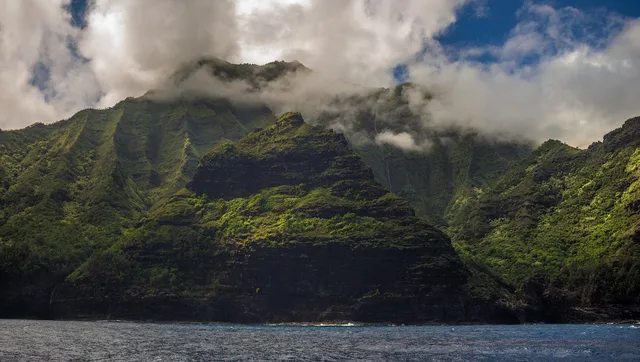
I found that checking these three points helped me maintain productivity during my own stays. One limitation is that travel regulations can change rapidly, as seen during the COVID-19 pandemic in Hawaii.
| Tourist Origin | Average Stay Length |
|---|---|
| Japan | 5 days |
| China or Korea | More than 9.5 days |
Use time zone differences to your advantage by scheduling deep work during the early morning hours.
The same subject is also called Best duration for Hawaii trip.
The same subject is also called How to plan Hawaii workation.
The same subject is also called Hawaii workation period guide.
This part also covers Tips for choosing workation length.
This part also covers Practical advice for Hawaii stay.
This part also covers Optimizing your workation schedule.
Tips for choosing workation length
Related
- Maui fire safety guide: Tips for understanding island risks
- Pipeline surfing world events: 11 record wins guide
How do different tourist origins compare in length and cost?
Comparing different origins reveals significant differences in stay duration and spending. While a Japanese tourist stays for an average of 5 days, a tourist from China or Korea stays more than 9.5 days.
This longer duration for East Asian travelers is accompanied by a 25% increase in total spending compared to the shorter Japanese trips.
What should you consider regarding local regulations?
You must monitor local regulations because they can change rapidly. For example, the quarantine period was lowered from 2 weeks to 10 days in December 2020. Always verify these requirements to ensure your work schedule remains constant and is not interrupted by sudden shifts in travel restrictions.
Does the length of stay impact your budget?
Your total expenditure depends on whether you choose a short trip or a longer immersion. A tourist from China or Korea stays more than 9.5 days and spends 25% more than the average Japanese tourist. This comparison shows that longer durations lead to higher costs.
How do seasonal shifts affect availability?
Booking trends change depending on the time of year. Mufi Hannemann noted that bookings after Labor Day would be lower than the 2021 summer levels. You should plan your arrival around these fluctuations to find better accommodation options.
When deciding on a duration, remember that the sea remains a constant while your travel logistics change. You must account for seasonal demand and local regulatory shifts to ensure your work schedule is not interrupted.
FAQ
How long do tourists from East Asia typically stay?
What happened to the travel quarantine period in December 2020?
Related posts

Hawaii island workation guide: Oahu offers best connectivity

Hawaii island honeymoon guide: Tips for your perfect getaway

Hawaii workation rental car tips guide for your trip



Comments 0