Hawaii long stay guide: Planning your month in paradise
"Living in the Pacific paradise requires more than just a laptop and a swimsuit; it demands an understanding of island logistics and cultural respect."
A successful Hawaii long stay guide involves balancing remote work needs with the unique geographic and cultural realities of the islands. This guide covers essential preparation, cost considerations, and environmental awareness for those planning a month-long stay.
How do I prepare for a long stay in Hawaii?
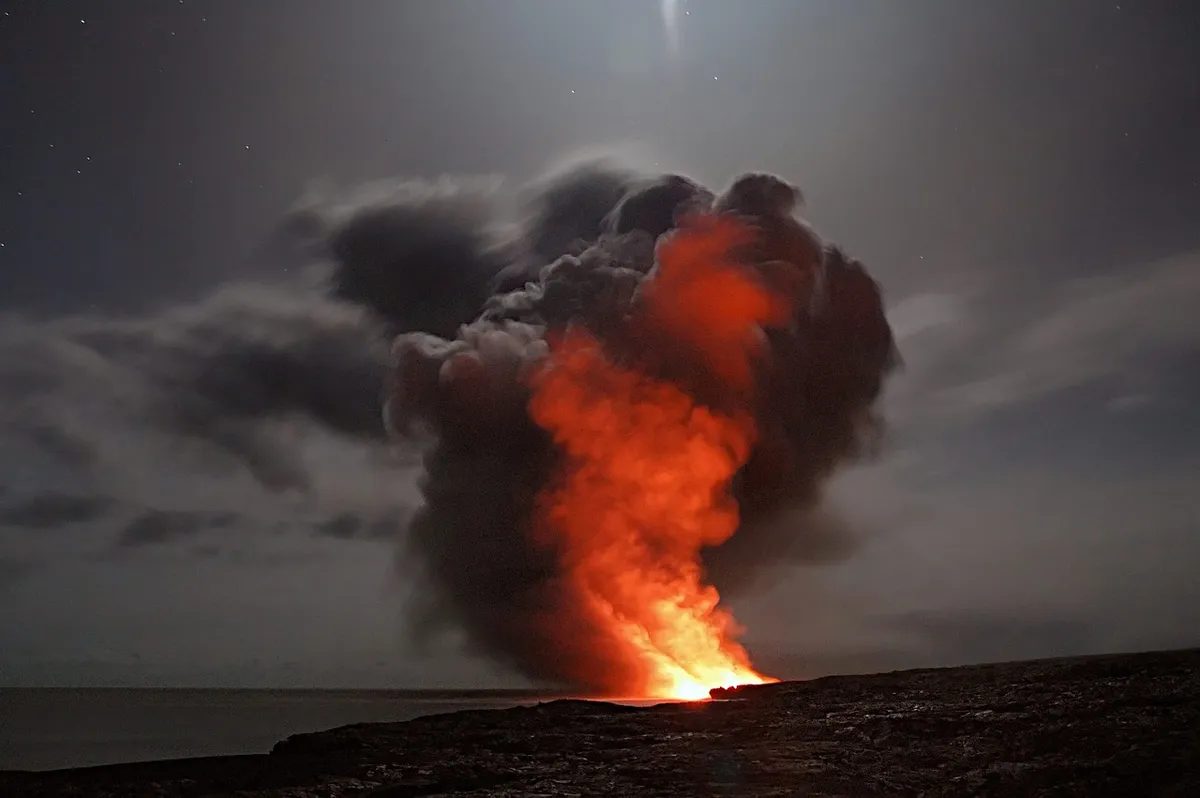
In the early morning light, I pack a heavy suitcase in my quiet bedroom to prepare for my long stay in Hawaii. A traveler sits at a wooden desk in a sunlit room, typing while the sound of distant waves rolls in. Preparing for a month in Hawaii tips involves checking connectivity and understanding the vastness of the archipelago.
Digital nomads must ensure reliable internet access before arriving at a remote rental. According to World Bank data, the United States recorded a share of internet users of 94.7% in 2024, suggesting a strong digital infrastructure.
However, travelers should verify local Wi-Fi stability in specific island regions.
Planning for a Hawaii workation life means understanding that the state is situated about 2,000 miles (3,200 km) southwest of the contiguous United States. This distance makes travel time a significant factor in your schedule.
You must account for time zone shifts when coordinating with mainland clients.
How does the cost of living in Hawaii affect a month-long stay? Hawaii long stay guide
An empty suitcase lies on a bed as a traveler reviews local rental prices on a tablet. Finding the right balance for a month in Hawaii tips requires realistic budgeting for housing and daily expenses.
The cost of living in Hawaii can vary significantly depending on the island and specific neighborhood. Research from the National Association of Realtors places the 2010 median sale price of a single family home in Honolulu, Hawaii, at US$607,600.
While these figures reflect historical data, they indicate the high-value nature of the local real estate market.
Managing a budget for a month in Hawaii tips requires looking beyond just lodging. You should account for transportation, food, and local activities. Because the islands are spread across a vast area, moving between locations can become a major expense.
According to World Bank, the 2024 record includes 94.7%.
What do I need to know about the local culture and environment? A hiker stands at the edge of a lush green ridge, looking out over the expansive ocean. Understanding the local environment is a core part of finding local friends and integrating into the community.
According to The Sustainable Tourism Association of Hawaii, the organization was founded in 1995 as a 501(c)(3) nonprofit to nurture the development of sustainable tourism in Hawaii.
The islands are part of the Polynesian subregion of Oceania, spanning 1,500 miles (2,400 km). Respecting this heritage is vital for anyone practicing local living Hawaii.
The Hawaiʻi Tourism Authority's official policy is to recognize the importance of using markings to preserve the indigenous language and culture of Hawaiʻi.
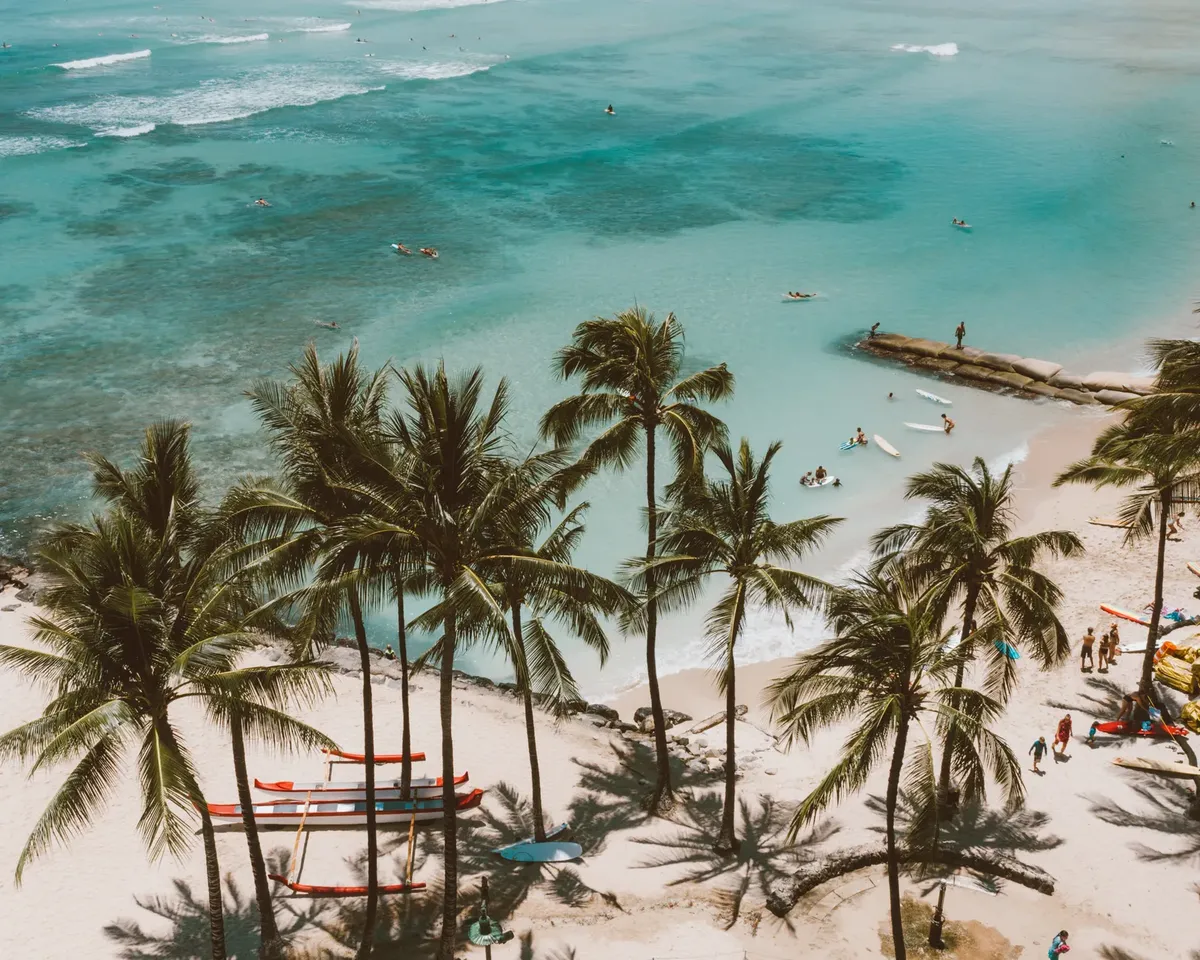
Environmental awareness is also necessary for a sustainable stay. The state features a coastline of about 750 miles (1,210 km), which is the fourth-longest in the U.S. Travelers should follow local guidelines to protect these sensitive ecosystems during their visit.
How do I manage weather and outdoor activities?
A traveler pulls a light sweater from a bag while looking at a cloudy mountain peak. Weather fluctuations are a key part of the Hawaii moving checklist for those arriving from different climates.
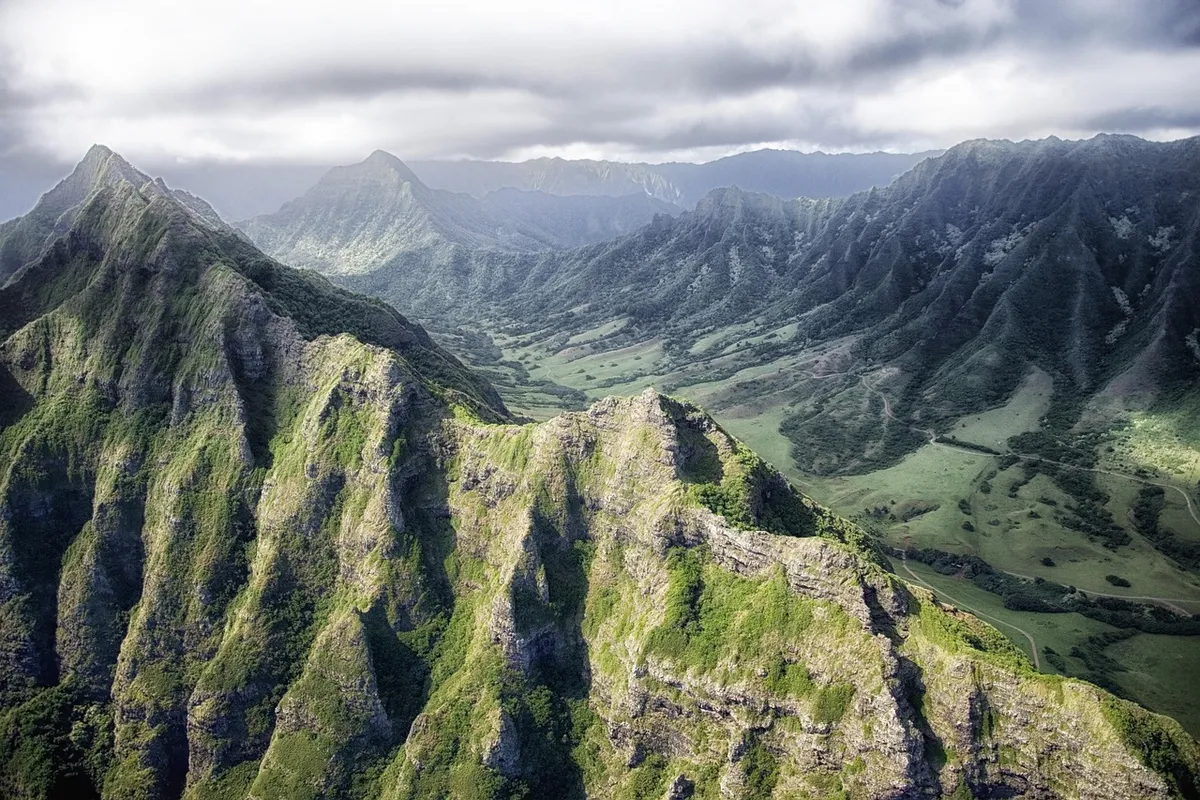
Weather patterns vary between high and low elevations across the islands. Summer highs reach around 88 °F (31 °C) during the day, while winter day temperatures are usually around 83 °F (28 °C). At low elevations, temperatures seldom dip below 65 °F (18 °C) at night.
To maintain a productive work-life balance, follow these steps:
- Check local weather forecasts daily to plan outdoor excursions around work hours. 2. Pack versatile clothing to handle both warm coastal areas and cooler mountain summits. 3. Verify the rainfall levels of your specific destination, as some areas like Mount Waiʻaleʻale receive up to 460 inches (12,000 mm) of rain per year.
I remember checking the weather on my phone before deciding whether to head to the beach or stay in the office.
What are the limitations of a long-term stay?
A person looks at a map of the eight main islands, tracing the distances between them. Recognizing the constraints of island life is a necessary part of the planning process.
A limitation of this guide is that it does not account for real-time changes in local housing availability or specific short-term rental regulations.
Wikipedia: Hawaii Based on the retained excerpt mentioning Census Bureau: In 1970, the Census Bureau reported Hawaii's population was 38.8% white and 57.7% Asian and Pacific Islander.
The subject here is Hawaii long stay guide.
The same subject is also called Digital nomad Hawaii.
Related
- Hawaii climate disaster: 80 mph gusts during fire, a guide
- How did the end of the Cold War change the United States?



Comments 0