Authentic Hawaii: Beyond Resorts, Embracing Deep Local Roots
"The postcards show you the sunset, but the people show you the soul."
To truly live in Hawaii, you must look past the luxury resorts and understand that the islands are a living, breathing community with deep roots. It is not about consuming a culture, but about respecting a way of life that balances modern necessity with ancestral wisdom.
* The deep integration of Polynesian culture into modern Hawaiian life. * The nuances between tourist perception and genuine local living. * The importance of respecting the *Aloha Spirit* in daily interactions. * The unique challenges and rewards of long-term residency in the islands.

What does an authentic Hawaiian lifestyle look like now? At dawn, a local farmer wipes sweat from his brow while the salty breeze carries the scent of damp earth through the morning mist.
I stood in a crowded line at a small poke shop in Kakaʻako at 12:15 PM, the smell of salty sea air mixing with the sharp scent of freshly grated wasabi.
While tourists in floral shirts snapped photos of the skyline, a local resident beside me was quietly chatting with the server about a community garden project. It was a small moment, but it highlighted the gap between visiting and truly being part of the rhythm.
The authentic Hawaiian lifestyle is often misunderstood as a perpetual vacation. In reality, it is a delicate balance of modern professional life and a profound commitment to community interdependence.
While the world sees a paradise of leisure, the local experience is defined by a sense of responsibility to one's neighbors and the environment.
The *Aloha Spirit* is often marketed as a friendly greeting, but in a local context, it represents a deep ethical framework. It is about recognizing the dignity in every person and maintaining harmony within the community.
This isn't just about being polite; it is about how people show up for each other during storms, community cleanups, or family milestones.
Modern life in the islands also involves a constant negotiation with sustainability. Because resources are finite on an island, the lifestyle often leans toward intentionality—whether that is reducing plastic waste or supporting local farmers.
This integration of traditional values like *Hoʻokipa* (hospitality) into a fast-paced modern world creates a lifestyle that is both grounded and forward-looking.
But how does one actually transition from a visitor to a resident without causing friction?
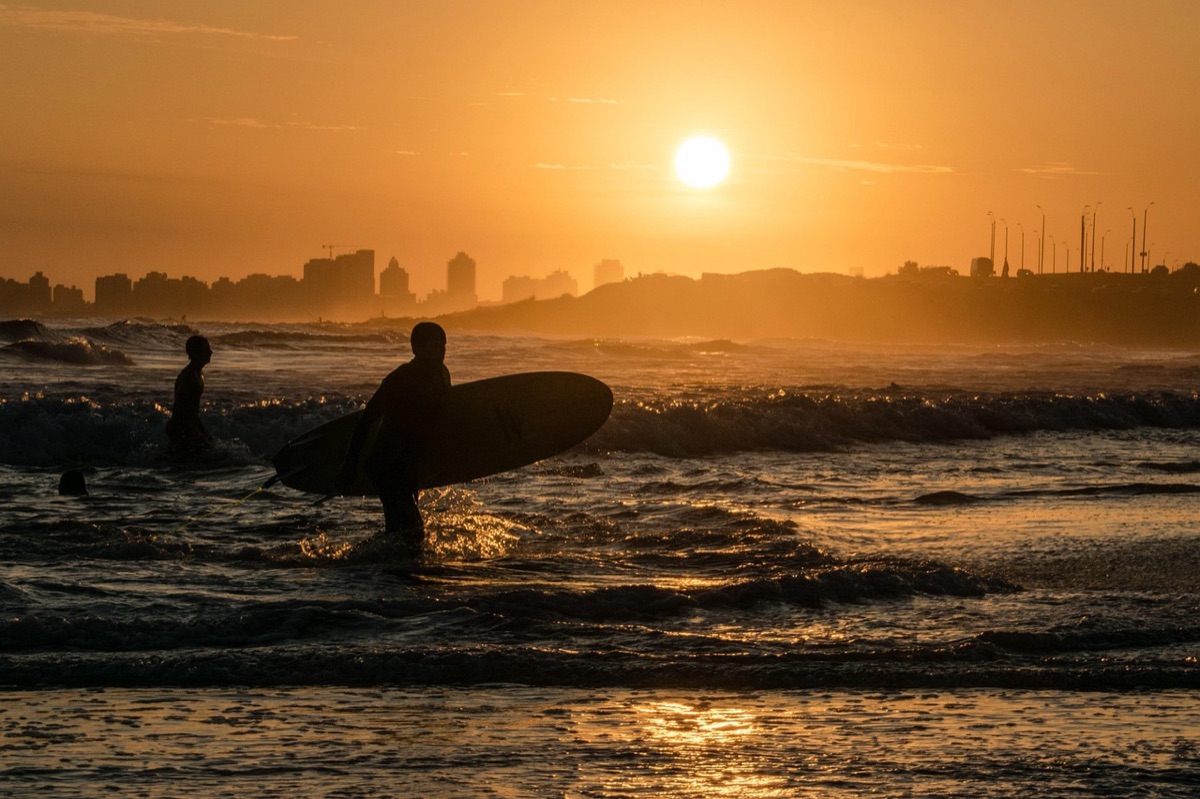
How do I navigate relationships between tourists and locals? A group of travelers sat at a beachside cafe in Waikiki, loud and animated, while a local family sat nearby in respectful silence, honoring a quiet moment of connection. The tension between the energy of tourism and the stillness of local life is something every long-term resident feels.
Moving from a visitor to a resident requires a fundamental shift in perspective. A tourist is a consumer of experiences, whereas a resident is a participant in a community.
To bridge this gap, one must move away from the "vacation mindset"—where everything is designed for your convenience—and toward a mindset of contribution and respect.
Respecting local customs is not about performing for a show; it is about understanding the protocols of the land and the people. For example, knowing when to be loud and when to be quiet, or understanding the significance of certain sacred sites, is vital.
Genuine integration happens when you stop treating the islands as a backdrop for your life and start treating them as a partner in your existence.
Building rapport with locals often happens through shared values rather than just shared interests. While learning a few words of Hawaiian can be a beautiful gesture, deep connection comes from demonstrating that you value the local way of life.
It is about showing up to local events, understanding the local food hierarchy, and respecting the pace of life that doesn't always align with mainland schedules.
However, there is a risk of misunderstanding the depth of these connections.
The Pillars of Hawaiian Culture: More Than Just Luau Shows
The sun began to dip behind the Diamond Head crater at 6:30 PM, casting a golden light over a group of practitioners practicing Hula in a local park. They weren't wearing elaborate costumes for a stage; they were moving with a precision and reverence that felt entirely private and profound.
Hawaiian culture is often reduced to a series of entertainment spectacles, but its true pillars are much deeper. Hula, for instance, is not just a dance; it is a sophisticated method of storytelling and historical preservation.
It is a way of connecting the physical body to the history of the islands.
The concept of *Lāhui*—the people and their collective identity—remains a powerful force. It is the understanding that the community's strength lies in its unity and its shared history. This sense of community is what keeps the culture resilient in the face of globalized tourism.
Environmental consciousness is another pillar, often tied to the spiritual connection to the *ʻāina* (the land). The modern movement toward reef-safe products and sustainable living is a direct extension of the traditional belief that the land is a living entity that must be cared for.
To live here is to acknowledge that you are a guest of the land, not its owner.
But understanding the culture is only half the battle; you also have to manage the logistics of living there.
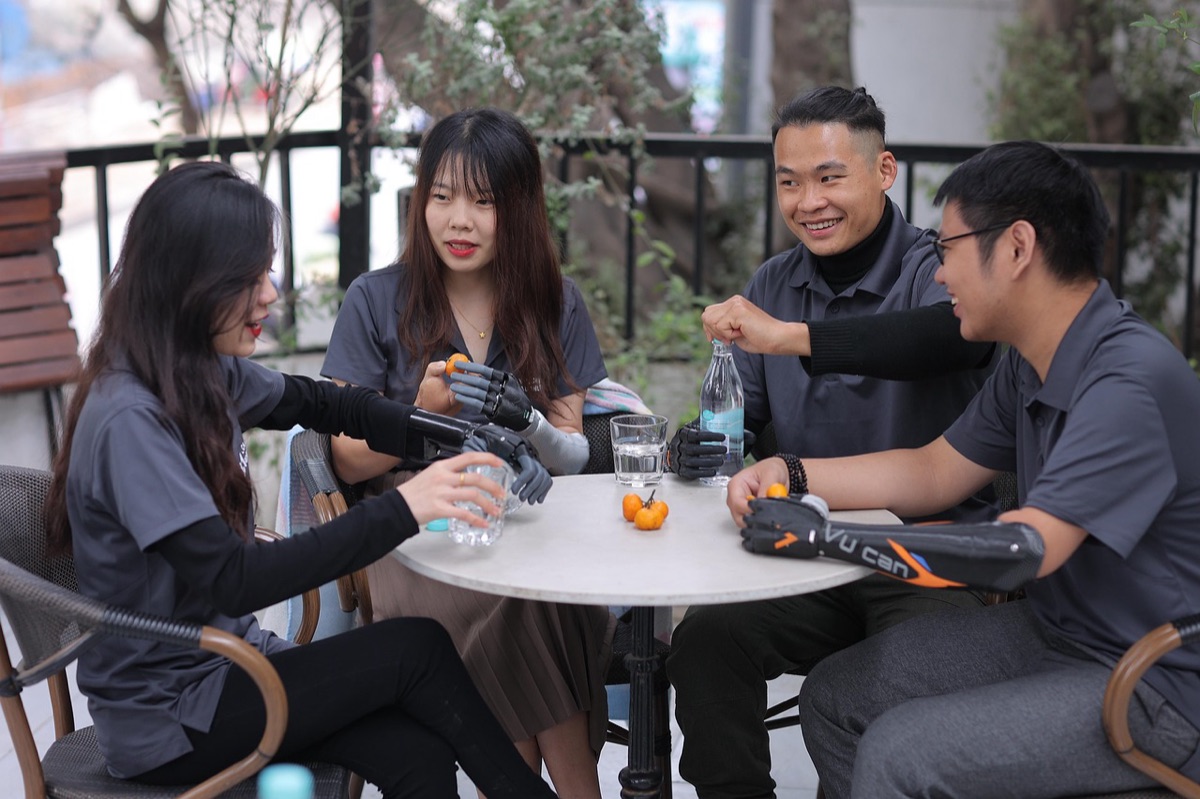
Life on the Islands: A practical look at residency
I remember looking at my moving boxes in a small apartment in Manoa at 9:00 PM on a Tuesday, wondering if I could truly transition from a traveler to a neighbor. The transition from a two-week stay to a year-long residency is often where the reality of island life sets in.
According to the World Bank, the United States recorded share of internet users of 94.7% in 2024.
| Feature | Short-Term Tourist Experience | Long-Term Resident Reality |
|---|---|---|
| Primary Focus | Sightseeing and luxury amenities | Community, work, and local rhythm |
| Pace of Life | High-energy, scheduled activities | Balanced, often slower "island time" |
| Cost Structure | High-end resorts and tours | Rent, local groceries, and transport |
| Social Interaction | Brief, transactional encounters | Deep, long-term community ties |
The logistical transition requires careful planning. While a tourist might look for the best hotel, a resident looks for community integration.
The rhythm of life is different; "island time" is often a euphemism for a more relaxed approach to scheduling, which can be a difficult adjustment for those coming from high-pressure mainland environments.
Each island offers a different lifestyle. Oahu provides a bustling, urban environment with deep historical layers, while Maui offers a blend of luxury and natural beauty.
For those seeking a slower, more rugged existence, the Big Island or Kauai might feel more aligned with a desire for solitude and nature. Choosing where to live is as much about finding your community as it is about the scenery.
Before you settle in, you should follow a transition checklist to ensure you are respecting the local environment.
- Research Local Governance: Understand the specific land-use laws and community boards in your chosen neighborhood.
- Establish Local Ties: Join community groups or volunteer for local environmental cleanups to move beyond the tourist bubble.
- Adopt Sustainable Habits: Implement a zero-waste or low-impact lifestyle to respect the finite resources of the islands.
- Learn the History: Spend time at local museums and historical sites to understand the lineage of the land you now inhabit.
It is important to note that these steps are not a magic fix. Cultural immersion is a lifelong process, and there will always be moments of friction as you navigate the complexities of a new home.
Echoes of the Past: A Brief Look at Hawaii's Deep History
Walking through the historic district of downtown Honolulu, the stone walls of old buildings stand as silent witnesses to centuries of change. It is easy to forget that the modern landscape is built upon layers of profound historical complexity.
According to the Census Bureau, Hawaii's population was 38.8% white and 57.7% Asian and Pacific Islander in 1970.
The history of the islands is deep and resilient. While early maritime history often focuses on "discovery," the reality is a complex timeline of indigenous navigation and profound cultural shifts.
For example, historical records note that various groups of islands were often misidentified by early explorers, such as the 19th-century accounts of voyages from Mexico that were later speculated to be the Caroline or Marshall Islands rather than Hawaii.
The demographic makeup of the islands has also shifted significantly over time. In 1970, the Census Bureau reported that Hawaii's population was 38.8% white and 57.7% Asian and Pacific Islander.
These shifts reflect the complex history of migration, labor, and the merging of various cultures that define the modern population.
Understanding this history is essential for anyone wishing to live in Hawaii. It provides the context for why certain traditions are held so dearly and why the relationship with the land is so central to the local identity.
The resilience of the Hawaiian people, despite centuries of external influence, is the foundation upon which modern life is built.
#


Comments 0