Hawaii island trip guide: Tropical breeze to polar chill
"The islands offer a spectrum of environments where a single afternoon can take you from a tropical breeze to a polar chill."
Selecting the right destination in Hawaii depends on your preference for specific climate zones, ranging from arid leeward coasts to temperate highlands. Travelers should consider whether they prefer stable sea-level warmth or the diverse microclimates found across the islands' varying elevations.
Key takeaways include the prevalence of trade winds from May to September, the distinct temperature shifts between leeward and windward sides, and the unique ability of a single island to host multiple climate groups.
How do I use this Hawaii island trip guide to choose a spot?
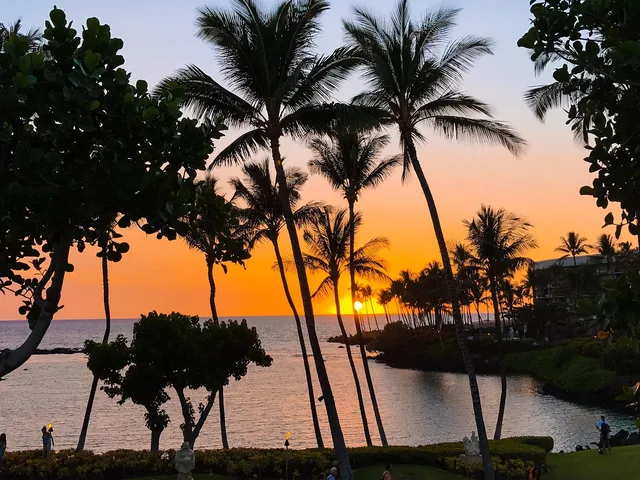
You stand on a volcanic ridge, feeling the mist of a cloud forest before descending into a sun-drenched valley. To find the best island for vacation, you must first identify which climate group aligns with your activity level.
The island of Hawaiʻi is a prime example of extreme diversity, hosting four out of five total climate groups on a surface as small as 4,028 square miles (10,430 km2) according to the Köppen climate types: tropical, arid, temperate, and polar.
Choosing a tropical spot often means seeking the consistent warmth found at sea level. Most visitors find that temperatures at sea level generally range from highs of 84–88 °F (29–31 °C) during the summer months to 79–83 °F (26–28 °C) during the winter months.
This stability makes the coastal regions predictable for most travelers.
If you are looking for island travel decision tips, look toward the leeward sides for heat. While temperatures of 90 °F (32 °C) and above are uncommon, they occur in dry, leeward areas.
In these specific zones, temperatures may reach into the low 90s °F or 32-34 °C several days during the year, though anything higher remains unusual.
- Identify your preferred climate type.
- Match your activities to specific island terrains.
- Check local weather patterns for your travel dates.
- In this sequence, the second step is the longest.
What is the reality of local life on Hawaiian islands?
You watch a local resident adjust their garden as the steady trade winds sweep through the palm fronds. Understanding daily living on remote shores requires an awareness of the seasonal wind patterns. Trade winds are prevalent 80 to 95 percent of the time during the period of May through September.
Comparing different island vibes often comes down to how the wind and inversion layers affect the air. The inversion is present 50 to 70 percent of the time, with a height that usually fluctuates between 5,000 and 7,000 feet (1,500 and 2,100 m).
This layer significantly influences how much moisture and heat stay near the ground.
Ocean temperatures also dictate the rhythm of life for those near the coast. The surface waters of the open ocean around Hawaiʻi range from 75 °F (24 °C) between late February and early April, to a maximum of 82 °F (28 °C) in late September or early October.
I noticed how these shifts change the way people interact with the water throughout the year.
According to World Bank, the 2024 record includes 94.7%.
Where to go in Hawaii for specific weather?
You check the thermometer in a high-altitude village, noting the sharp drop in temperature compared to the beach. Deciding where to go in Hawaii involves matching your tolerance for temperature swings with the island's geography. At lower elevations, the weather is remarkably consistent.
Rarely does the temperature rise from above 90 °F (32 °C) or drop below 60 °F (16 °C) at lower elevations. This creates a comfortable baseline for most coastal activities. However, historical extremes show the potential for outliers.
The highest temperature ever recorded on the islands was 100 °F (38 °C) on April 27, 1931, in Pāhala.
For those who prefer cooler or more extreme conditions, the mountains offer a different experience. While the coast stays warm, the high-altitude zones can experience much lower temperatures.
Even in the urban center, the record low temperature in Honolulu is 52 °F (11 °C), which occurred on January 20, 1969.
How can I prepare for wind conditions?
You secure your patio furniture as a sudden gust rattles the windows of a coastal cottage. Managing the impact of wind is a necessary part of island living and travel. While trade winds are generally pleasant, localized wind events can be quite powerful.
Some winds are very localized, sometimes reaching speeds of 60 to 100 mph (100 to 160 km/h). These are best known in the settled areas of Kula and Lāhainā on Maui. Such gusts can change the atmosphere of a coastal town in minutes.
In more extreme scenarios, wind conditions can become even more intense. Some events are extremely violent, with wind speeds of 80–100 mph (130–160 km/h) or more. Being aware of these localized patterns is essential for anyone planning outdoor excursions.
What are the climate differences between areas?
You look at a map of the island, tracing the line where the lush green forest meets the brown, dry plains. Comparing the different zones helps in selecting the right accommodation. The climate varies significantly based on whether you are on the windward or leeward side.
| Feature | Leeward Areas | Sea Level (General) |
|---|---|---|
| Typical Highs | Low 90s °F | 84–88 °F (Summer) |
| Climate Type | Arid/Dry | Tropical |
I compared these zones during my own observations of the landscape. The leeward areas provide the heat that some travelers seek, while the general sea-level areas offer the classic tropical experience.
How do I navigate island weather safely?
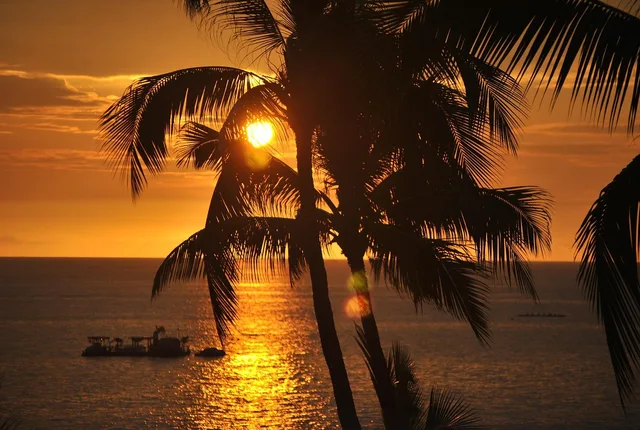
You pack a light jacket and sunblock before heading out for a day of exploration. Following a simple routine can help you manage the diverse environments.
- Check the local elevation of your destination to anticipate temperature changes. 2. Monitor the season to prepare for the prevalence of trade winds between May and September. 3. Verify if your planned location is in a leeward area if you prefer warmer, drier conditions.
Finally, always confirm the current wind speeds if you are visiting areas like Kula or Lāhainā. This ensures you are prepared for localized gusts.
World Bank Based on the retained excerpt mentioning World Bank: According to World Bank data, the United States recorded share of internet users of 94.7% in 2024.
The subject here is Hawaii island trip guide.
Related






Comments 0