30+ Day Rentals: Making Your Hawaii Workation Successful
"The transition from a tourist to a temporary resident begins the moment you stop looking at a map and start looking at a neighborhood."
Choosing a basecamp for a Hawaiian workation is a delicate balancing act between professional productivity and the soul-stirring pull of the Pacific. It is the difference between merely visiting a beautiful place and actually living within its rhythm.
Key Takeaways: * Match your specific work goals (intense focus vs. creative inspiration) to the unique personality of each island. * Prioritize functional infrastructure—like reliable Wi-Fi and dedicated desk space—over purely aesthetic views.
* Look for locations that offer a mix of local amenities and quiet retreats to prevent burnout.

Why Settle for a Hotel When You Can Live Like a Local?
I remember sitting at a small, wobbly wooden table in a bright studio in Kakaʻako, Oahu, staring at a laptop screen while the scent of fresh poke wafted through an open window. In a high-rise hotel, you are a guest; in a local rental, you are a neighbor.
A standard vacation is about consumption, but a workation is about integration. When you book a hotel, you are often confined to a single room where the boundaries between sleep, work, and relaxation blur into a single, unproductive haze.
In 2025, as remote work became the standard for many, the distinction between a "vacation" and a "workspace" became even more critical to maintain.
A genuine workation base provides the spatial separation necessary to maintain a professional mindset while still feeling the pulse of the islands. If you are traveling alone to focus on a massive project, you might need a quiet corner in a residential neighborhood.
If you are traveling with family, you need a multi-bedroom setup that allows for both collaborative work and private downtime.
The goal is to find a space that supports your professional responsibilities during the day so that you can fully surrender to the Aloha spirit in the evening.

Which island is the best place for my office? The sun hit the balcony of my rental in Kailua, casting long shadows over a desk I had set up near the window. Every island in the chain offers a different "office atmosphere," and choosing the wrong one can derail your productivity.
Selecting an island is essentially selecting your professional environment. Each has a distinct DNA that will influence your mood and work ethic.
| Island | Primary Vibe | Best For... |
|---|---|---|
| Oahu | High-Energy & Urban | Networking, infrastructure, and easy access to everything. |
| Maui | Balanced & Scenic | A mix of luxury, activity, and beautiful coastal living. |
| Big Island | Raw & Expansive | Deep nature immersion and solitude for deep work. |
| Kauai | Lush & Tranquile | Slow-paced living and creative inspiration. |
Oahu is the hub of commerce and connectivity. If you need high-speed fiber internet, frequent coffee shop meetings, or easy airport access, staying in areas like Honolulu or Kakaʻako is your best bet. It is the easiest place to transition from a professional meeting to a surf session.
Maui offers a middle ground. It provides enough infrastructure to keep you connected but enough natural beauty to keep you inspired. It is perfect for those who want a "resort-style" workation but need more space than a standard hotel room.
Big Island is for the seeker. The sheer scale of the island provides a sense of solitude that is hard to find elsewhere. It is ideal for deep-work phases where you want to disappear into a landscape of volcanic textures and vastness.
Kauai is the ultimate escape. The pace of life here is intentionally slow. If your work involves creative writing, design, or any task requiring deep contemplation, the lush, garden-like atmosphere of Kauai provides a perfect backdrop.
What makes a workation stay actually productive? I once stayed in a stunning beachfront villa only to realize the Wi-Fi signal couldn't penetrate the thick coral-stone walls, turning my "dream workation" into a frustrating struggle with a mobile hotspot. A beautiful view is a luxury, but reliable connectivity is a necessity.
When vetting a potential rental, you must look past the professional photography of the sunset. A successful workation requires a checklist of functional requirements.
- Connectivity & Utilities: Do not take "high-speed internet" at face value. In 2026, asking for a screenshot of a recent speed test is a standard practice. In Hawaii, terrain and building materials can interfere with signals. Ensure there is a backup plan, such as a cellular signal strength check.
- Dedicated Workspace: A bed or a dining table is not a desk. Look for accommodations that offer an ergonomic chair and a flat, stable surface. If you are spending eight hours a day at a laptop, your back will thank you.
- Local Integration: Proximity to a grocery store and a local cafe is vital. You don't want to spend an hour driving for milk or a quick lunch. A well-located rental should allow you to step out and find essential amenities within a ten-minute radius.
- Noise Levels: A beautiful beach sounds lovely for ten minutes, but constant crashing waves or nearby construction can be disruptive during a video call. Check the neighborhood's noise profile and the unit's soundproofing.
Making the Leap: Navigating the Local Market
Walking through a neighborhood in Waianae, I noticed how different the rental offerings were compared to the tourist-heavy Waikiki. Finding the right spot requires a strategic approach to the local market.
According to the Census Bureau, Hawaii's population was 38.8% white and 57.7% Asian and Pacific Islander in 1970.
Finding long-term or monthly rentals in Hawaii can be challenging due to strict local laws regarding short-term stays. Many successful workationers look for "mid-term" rentals—stays typically lasting 30 days or more.
These often bypass certain tourist taxes and allow for more authentic, residential living.
When budgeting, you must look beyond the monthly rent. In Hawaii, the cost of living can fluctuate significantly based on your choices.
* Utility Costs: In some rentals, electricity (especially air conditioning) can be a massive monthly expense. Clarify if utilities are included in your monthly rate. * Transportation: Unless you are staying in a walkable part of Honolulu, you will likely need a vehicle. Factor in rental costs, gas, and parking fees. * The "Tourist Trap" vs. Local Pricing: Be wary of listings that look like they are priced for a weekend getaway but are being marketed as monthly stays. Always verify the total cost of occupancy, including cleaning fees and local taxes.
Beyond the Desk: Embracing the Aloha Lifestyle
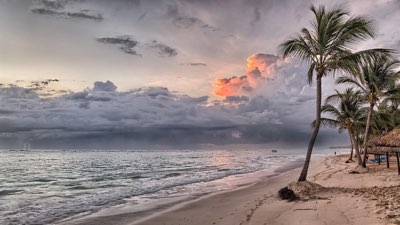
The sun began to set over the Pacific, painting the sky in hues of violet and gold, and I realized I hadn't thought about my inbox for at least an hour. This is the true reward of a successful workation.
According to World Bank data, the United States recorded share of internet users of 94.7% in 2024.
The goal of a workation is to transition from "working remotely" to "living authentically." Once your professional tasks are managed, you should lean into the local culture to prevent the burnout that often comes from being in a beautiful place but feeling too busy to enjoy it.
Respecting the environment is a core part of the local way of life. This means using reef-safe sunscreen, minimizing plastic waste, and following all local hiking and beach etiquette.
Engaging with the community—whether through a local farmers' market or a guided hike—adds a layer of depth to your stay that a standard vacation cannot provide.
By choosing a basecamp that supports your work, you earn the freedom to truly experience the islands. You aren't just a visitor passing through; you are someone who has found a temporary home.
#




Comments 0