Hawaii surfing guide: Understanding ocean motion and gravity
"The ocean remains a playground of constant motion, where the balance between gravity and momentum defines every ride."
This guide covers board selection for beginners, the mechanics of aerial rotations, and historical context to help you navigate the waves.
* Understanding the difference between straight airs and rotational airs is essential for progression. * Board length affects speed and friction during a ride.
Which board should I choose for surfing in Hawaii?
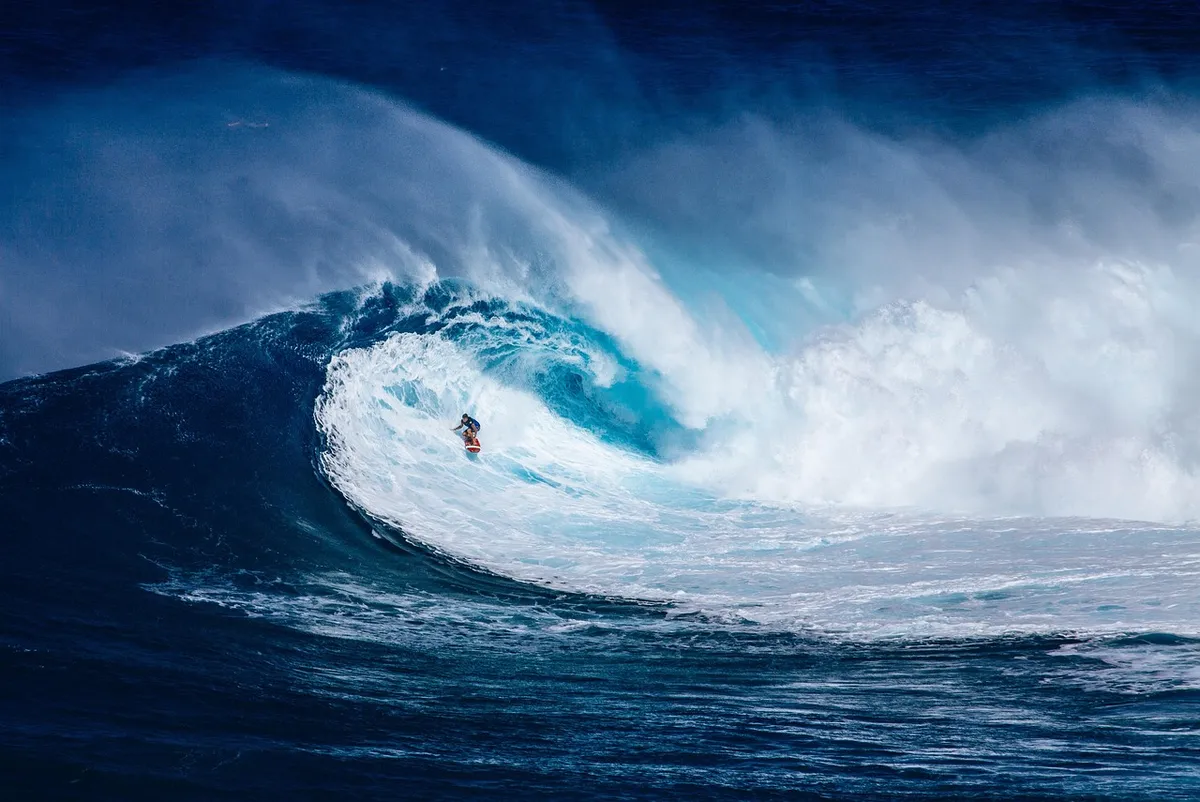
At dawn on the sandy shore, I lift a lightweight board to feel its smooth texture while preparing for a day of surfing in Hawaii. A surfer stands on the shore, looking at a variety of boards lined up on the sand. They pick up a lighter, shorter board to test its weight against the heavier, traditional models.
This size provides the stability needed to stand up while still offering enough buoyancy to catch incoming swells.
Modern longboards, generally 270 to 300 cm (9 to 10 ft) in length, are reminiscent of the earliest surfboards, but now benefit from modern innovations in surfboard shaping and fin design.
A longer surfboard of 300 cm (10 ft) causes more friction with the water; therefore, it will be slower than a smaller and lighter board with a length of 180 cm (6 ft).
However, the effectiveness of a specific board shape may be limited in extremely heavy or shallow reef breaks. I will focus on the selection process in the following steps.
How can I master technical maneuvers while surfing in Hawaii? A surfer catches a wave and hits the lip, launching into the air with a sudden burst of energy. The ocean surface becomes a platform for aerial tricks that require precise timing.
Straight airs have minimal rotation if any, but definitely no more rotation than 90 degrees. In contrast, rotational airs require a rotation of 90 degrees or more depending on the level of the surfer.
There are several ways to execute these movements: 1. An air reverse: This is a 180-degree rotation where the surfer spins enough to land backwards, then reverts to their original position with the help of the fins. 2.
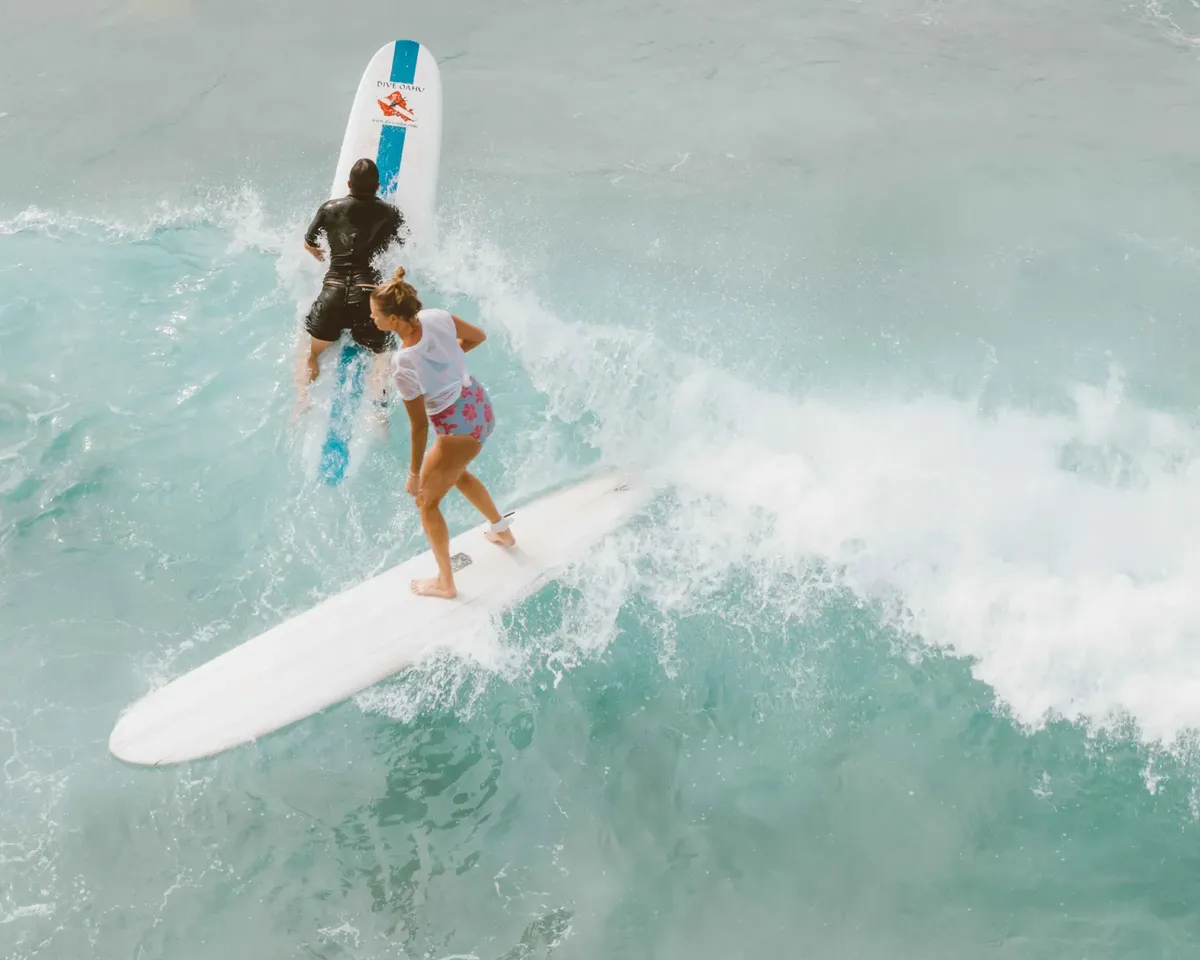
A full rotor: This is a 360-degree rotation where the surfer lands where they started or more, as long as they do not land backwards. 3. A 540-degree air: The surfer performs a full rotation plus another 180 degrees, which can involve being inverted or spinning straight.
Note that these advanced techniques may not be applicable to beginners or those surfing in very small swell. I will address the progression of these moves in the second part of this section.
According to World Bank, the 2024 record includes 94.7%.
Understanding the history of a Hawaii surfing guide
A researcher looks through old photographs of surfers riding massive wooden planks in the Pacific. The images show the evolution of the sport from heavy timber to modern fiberglass.
According to the Sustainable Tourism Association of Hawaii, the organization was founded in 1995 as a 501(c)(3) nonprofit to nurture the development of sustainable tourism in Hawaii.
Surfboards were originally made of solid wood and were large and heavy, often up to 370 cm (12 ft) long and having a mass of 70 kg (150 lb). Modern technology has significantly reduced this mass while maintaining the spirit of the original designs.
The sport has also moved from local tradition to a global stage. In 2016, surfing was added by the International Olympic Committee (IOC) as an Olympic sport to begin at the 2020 Summer Olympics in Japan.
This transition highlighted the technical progression of the sport alongside skateboarding, sport climbing, karate, and baseball/softball.
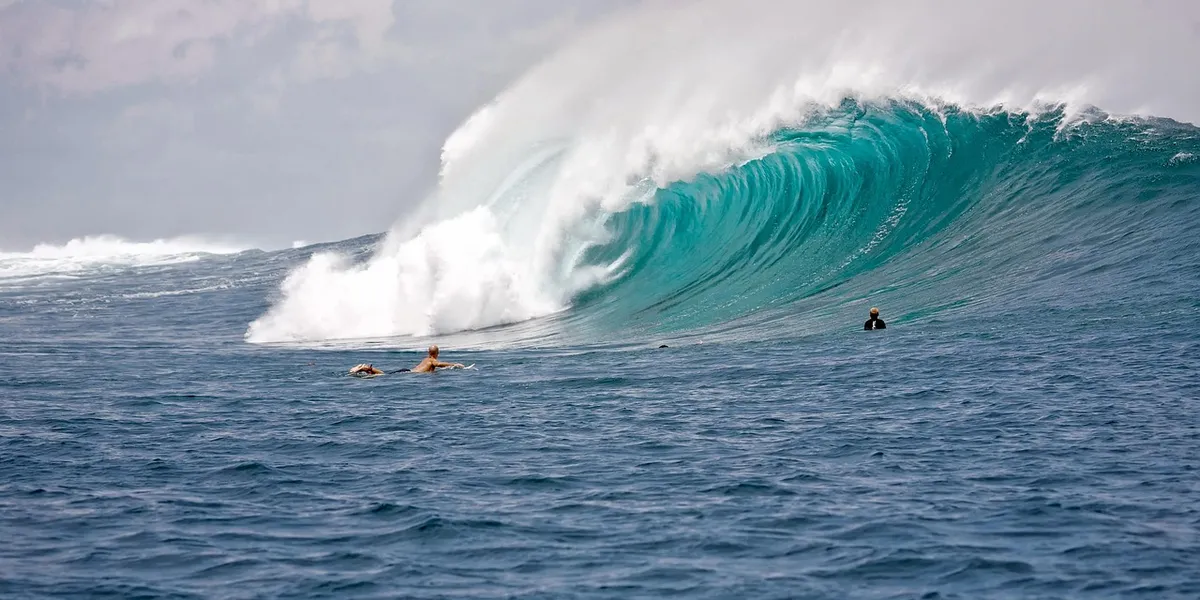
This historical overview does not account for every local variation across the different islands. I will touch upon the cultural origins in the third paragraph.
How to practice your Hawaii surfing guide
A student listens to an instructor explain the physics of water resistance and board length. They prepare to head into the water to apply these lessons to real waves.
To begin practicing, follow these steps: 1. Select a softboard between 210 to 240 cm to build stability. 2. Practice catching waves to understand how board length affects speed and friction. 3.
Gradually attempt low-rotation airs to understand the transition from straight airs to rotational maneuvers.
I remember testing the weight of a longboard versus a shorter board to see how much friction it created against the pull of the wave.
It is important to note that certain high-level maneuvers, such as the 540-degree air, are difficult because few surfers have been able to land them successfully.
The benefits of these drills are limited if the local wave conditions do not match the intended drill environment. I will outline the training routine in the steps below.
Comparing board characteristics
A surfer compares two different boards side-by-side on the beach to decide which one to take out for the afternoon session.
| Feature | Longboard (300 cm) | Shortboard (180 cm) |
|---|---|---|
| Friction Level | Higher friction | Lower friction |
| Relative Speed | Slower | Faster |

These comparisons may not apply to custom-shaped boards designed for highly specific wave types. I will highlight the most significant differences in the second point.
World Bank Based on the retained excerpt mentioning World Bank: According to World Bank data, the United States recorded share of internet users of 94.7% in 2024.
- A successful Hawaii surfing guide requires understanding the right equipment, wave mechanics, and technical maneuvers for different skill levels.
- Key takeaways:
- * Selecting a 7 to 8 ft funboard is ideal for beginners to catch waves.
- New and inexperienced surfers typically learn to catch waves on softboards around the 210 to 240 cm (7 to 8 ft) funboard size.
Related
- Respecting island ways: Hawaii workation local culture
- Hawaii long stay guide: Planning your month in paradise
How does the ocean remain a playground of constant motion? The ocean remains a playground of constant motion because the interplay between gravity and momentum dictates every movement experienced on the water. This dynamic balance governs the ride quality for all participants.
- The constant movement of the ocean surface provides the medium for surfing. 2. Gravity and momentum are the forces engaged during the ride. 3. This interplay defines the quality of the surfing experience.
Why is board length important for performance? Board length influences the interaction between the surfer and the water, affecting both speed and the resistance encountered during the ride. A longer board, like the 300 cm example, experiences greater drag compared to a shorter board.
- A 300 cm board generates more friction with the water during movement. 2. This increased friction results in a slower overall velocity compared to a smaller board. 3. A 180 cm board, conversely, experiences less resistance, allowing for greater speed.
This explanation does not cover the complex deep-sea geological processes that occur far from the coastline. I will explain the primary mechanics in the following sentence.
When is a specific maneuver appropriate?
Rotational maneuvers are necessary when the surfer intends to achieve a specific aerial outcome beyond simple air time. A straight air, which involves minimal rotation, is suitable for beginners learning to maintain balance while airborne.
Conversely, a rotational air becomes necessary when the surfer seeks to complete a specific spin, such as a full rotor or a 540-degree air.
What is the primary function of the fins in advanced maneuvers?
The fins assist the surfer in controlling the board during complex aerial sequences. For instance, in an air reverse, the fins help the surfer transition from spinning to landing back in their original position. This control is crucial for successfully completing high-level tricks.
How do the physical properties of the ocean affect the ride?
The ocean remains a playground of constant motion because the energy transfer between the water and the board dictates the ride's success. Gravity pulls the surfer down while momentum carries the board across the water's surface, requiring constant management of this balance.




Comments 0