Respecting island ways: Hawaii workation local culture
"The islands are not just a backdrop for professional productivity, but a living heritage that requires mindful engagement."
Choosing a Hawaii workation requires understanding the delicate balance between modern connectivity and deep-rooted local traditions. This guide explores how to respect the cultural landscape, navigate the unique demographic history, and integrate into island life effectively.
Key takeaways include recognizing the importance of indigenous preservation, understanding the diverse population, and respecting the natural environment.
Why does understanding Hawaii workation local culture matter?
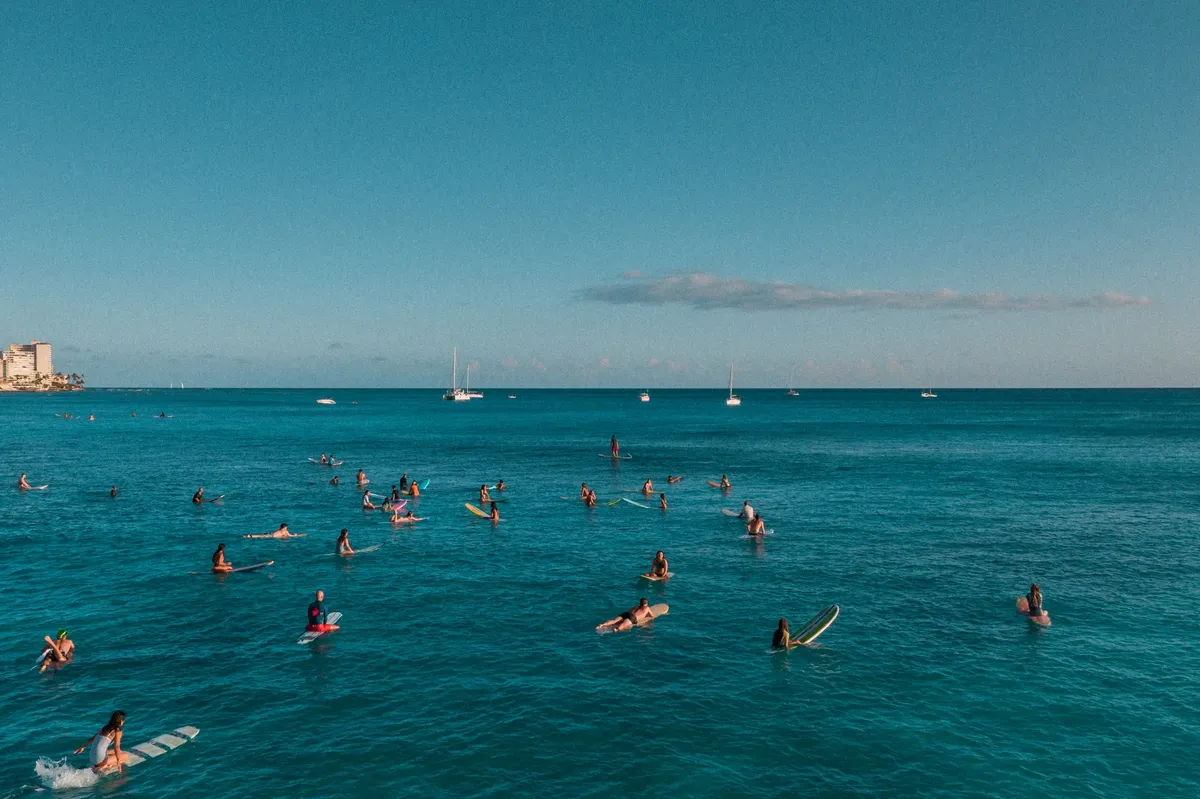
At sunset, I stand amidst the bustling market stalls, feeling the warmth of the air while respecting the deep traditions that shape this community.
Walking through a vibrant local market, one senses the depth of history that defines the community. Understanding the Hawaii workation local culture is essential because the islands possess a unique identity that blends Polynesian roots with modern American life.
The state is part of the Polynesian subregion of Oceania, spanning 1,500 miles (2,400 km). This geographical and ethnological connection shapes how people interact with the land and each other. Respecting these roots helps visitors move beyond a mere tourist view.
The demographic makeup of the islands influences social dynamics. In 1970, the Census Bureau reported Hawaii's population was 38.8% white and 57.7% Asian and Pacific Islander. This history of diverse heritage means that local life in Hawaii is built on complex, multi-layered community ties.
Recognizing the unique cultural fabric of the islands prevents superficial tourism and fosters genuine connections with the community. Understanding these values ensures that your presence contributes positively to the social landscape rather than causing friction.
How can one practice respecting island ways?
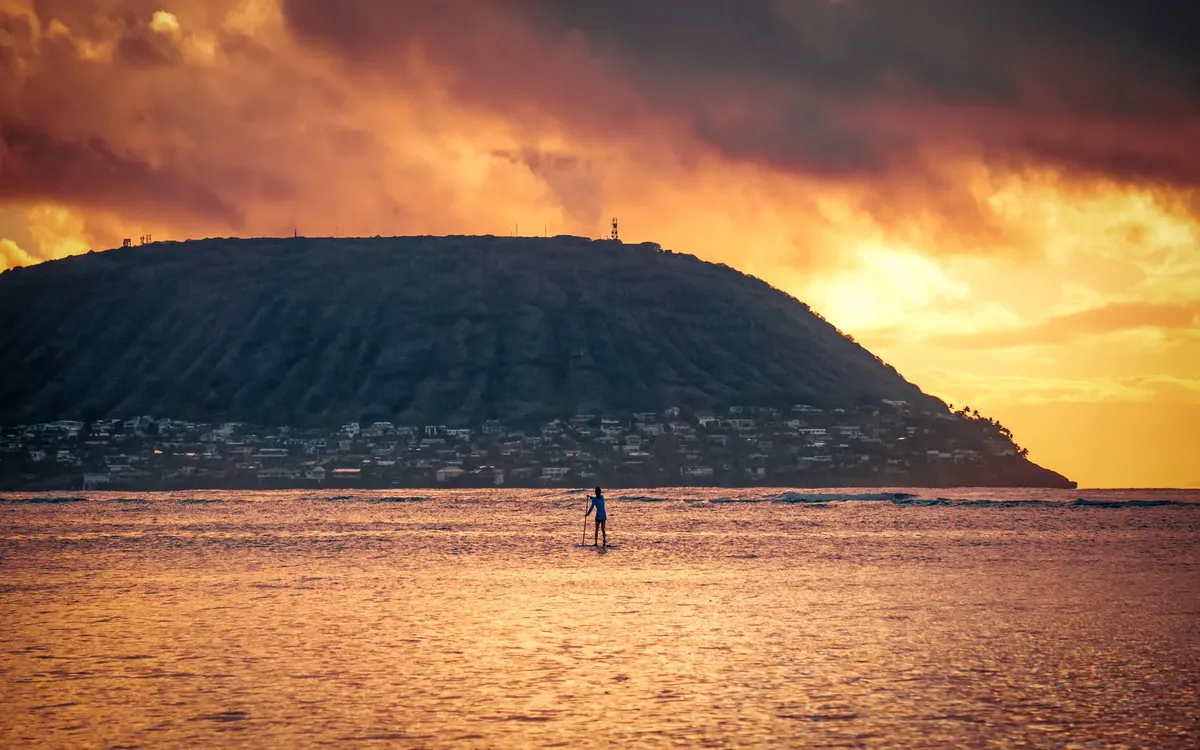
Standing on a rugged coastline, the vastness of the Pacific reminds one of the responsibility to protect the environment. Respecting island ways involves acknowledging that the land and sea are integral to the local identity and survival.
The Hawaiʻi Tourism Authority's official policy is to "recognize the importance of using these markings to preserve the indigenous language and culture of Hawaiʻi and use them in all forms of communications." Following this spirit of preservation helps ensure that the local culture remains vibrant for future generations.
Integrating into island life requires a shift from a consumer mindset to one of stewardship. Because the state is located about 2,000 miles (3,200 km) southwest of the U.S., it remains a distinct entity with specific environmental needs.
Taking care of the local environment is a primary way to respect the community.
Practice 'malama' by caring for the land and showing deep respect for local traditions. Avoid intrusive behaviors, support local businesses over global chains, and observe quiet dignity when encountering sacred sites.
According to World Bank, the 2024 record includes 94.7%.
What are the steps for integrating into island life?
Sitting at a quiet outdoor workspace, a professional prepares to blend their routine with the rhythm of the islands. Successfully managing a workation requires intentional steps to ensure a harmonious presence.
- Research the specific island's history and cultural nuances to avoid inadvertent disrespect. 2. Engage with local businesses and community events to understand the social fabric. 3. Practice sustainable habits that minimize your footprint on the delicate ecosystem.
I found that adjusting my schedule to match the natural light and local pace made the transition much smoother. For those seeking a deep dive local culture, these steps provide a foundation for meaningful interaction.
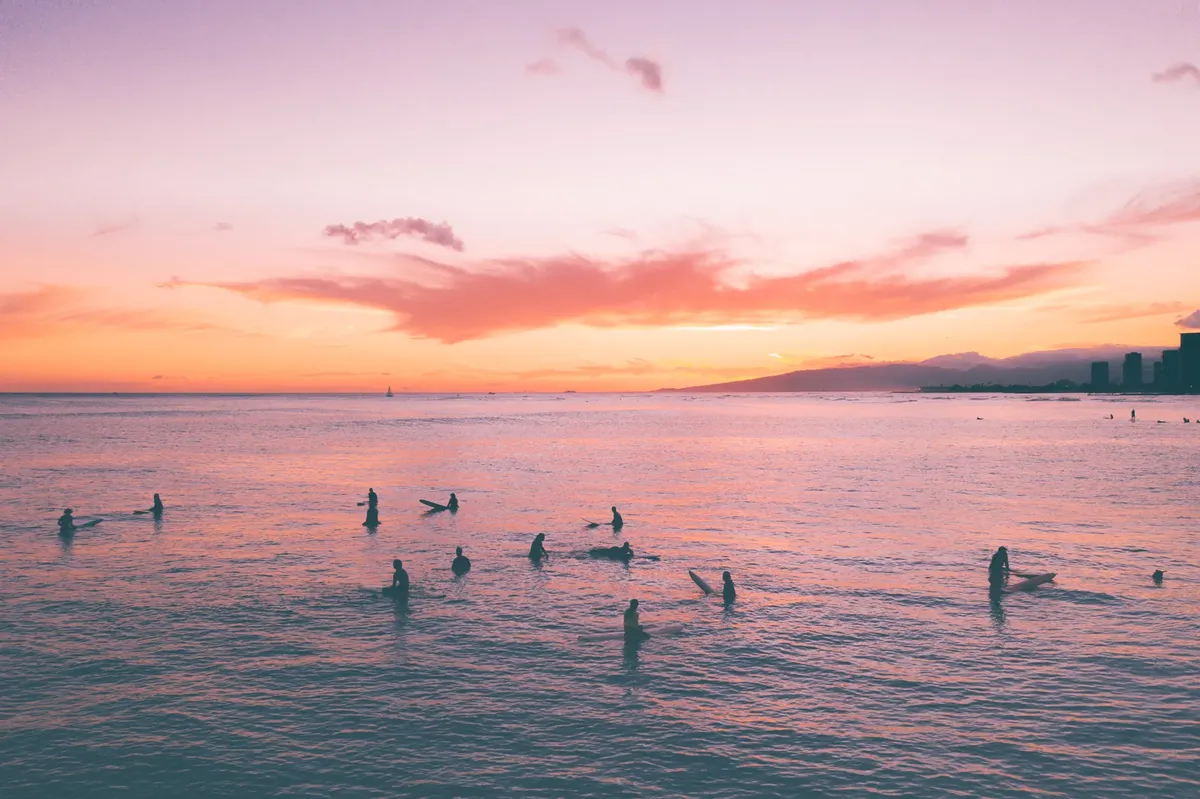
- Observe local customs and social etiquette to understand the unspoken rules of community interaction.
- Engage in meaningful ways with local businesses and community events to build rapport.
- Establish a consistent routine that respects local peak hours and community needs.
What are the limitations of a workation?
Looking at a map of the vast archipelago, the physical scale of the islands becomes apparent. A limitation of a workation is the potential for isolation if one does not actively engage with the community.
The Hawaiian archipelago consists of eight main islands, and the vast distances between them can make frequent travel difficult. While the state features a massive coastline of about 750 miles (1,210 km), moving between islands requires significant planning.
The environment can also present challenges. For example, Mount Waiʻaleʻale on Kauaʻi has the second-highest average annual rainfall on Earth, about 460 inches (12,000 mm) per year. Such extreme weather can impact connectivity and travel plans.
A workation requires balancing professional obligations with the desire to explore, which can lead to burnout if boundaries are not set. Additionally, the physical distance from home and potential connectivity issues in remote areas can pose logistical challenges.
Summary of Island Characteristics
| Feature | Description |
|---|---|
| Geographic Context | Part of the Polynesian subregion of Oceania |
| Coastal Length | Approximately 750 miles (1,210 km) |
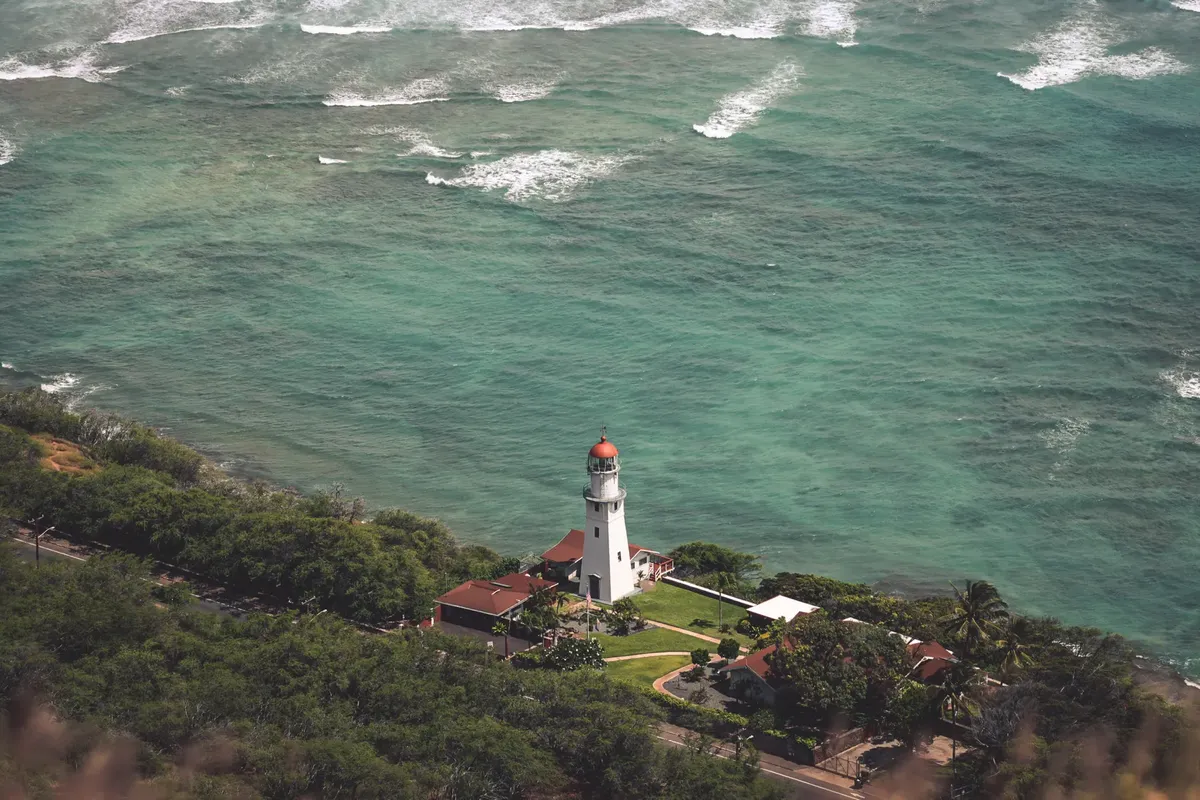
Hawaii is defined by its breathtaking natural beauty, a deeply rooted sense of community, and a unique blend of diverse cultural influences. These elements create a lifestyle that prioritizes connection to nature and a slower, more intentional pace of life.
According to the Association of Realtors places the 2010, the 2010 median sale price of a single family home in Honolulu, Hawaii, was US$607,600.
Wikipedia: Hawaii Based on the retained excerpt mentioning Hawaii Agricultural Statistics Service: According to the Hawaii Agricultural Statistics Service, in 2002 agricultural sales were US$370.9 million from diversified agriculture, US$100.6 million from pineapple, and US$64.3 million from sugarcane.
Related
- Hawaii long stay guide: Planning your month in paradise
- Hawaii climate disaster: 80 mph gusts during fire, a guide
How does the archipelago's geography affect the workation experience?
The vastness of the archipelago presents a unique logistical reality for any visitor. The eight main islands are separated by considerable distances, which impacts travel planning significantly. This physical separation means that movement between islands demands thoughtful scheduling.
The islands serve as a powerful backdrop against which the challenges and rewards of modern work life are viewed. The sheer scale of the ocean surrounding the islands underscores the commitment needed to maintain the delicate balance between productivity and cultural immersion.
The volcanic terrain and isolated islands mean that travel between locations can be time-consuming, requiring careful planning. The diverse microclimates across different elevations and islands mean weather patterns can change rapidly, impacting both outdoor activities and remote work setups.
What cautions should visitors keep regarding the islands' environment?
The environment of the islands demands a high degree of visitor awareness. The extreme rainfall experienced in certain areas highlights the fragility of the ecosystem. This environmental sensitivity requires that visitors adopt practices that minimize disturbance.
The islands' ecosystem is inherently fragile, and visitors must acknowledge this vulnerability. Proper stewardship, as opposed to mere presence, is required to maintain the integrity of the islands. This acknowledgment is crucial for anyone seeking to blend into the local rhythm.




Comments 0