Hawaii political leaders how committee roles guide best
"The strength of a political leader is often measured by the committees they command and the lasting influence they leave on their home state's representation in Washington."
Hawaii political leaders have shaped the state's trajectory through long-standing presence in the United States Senate, specifically through the strategic leadership of high-ranking committees.
This article explores the legislative roles and committee chairmanships that defined Hawaii's influence in federal governance.
You will learn about the specific committee tenures of Daniel Inouye, the transition of power in the Senate Appropriations Committee, and the broader context of US political shifts.
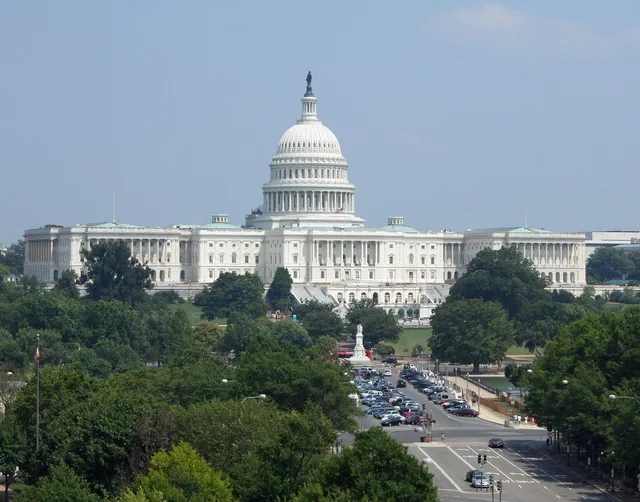
Please note that this overview focuses on specific legislative roles and does not provide a comprehensive biography of every Hawaiian politician. 1. The strategic importance of committee chairmanships in the US Senate. 2. Daniel Inouye's extensive history with the Senate Indian Affairs and Intelligence Committees. 3. The transition of leadership in the Senate Appropriations Committee in 2009. * The historical scope of legislative influence in Hawaii.
What defined the career of Daniel Inouye?
At twilight in a dim office, he gripped a heavy pen while thinking of the distant shores of hawaii.
A man sits at a heavy mahogany desk in Washington, D.C., reviewing complex legislative briefs under a dim lamp. This scene represents the decades of service Daniel Inouye dedicated to the United States Senate.
According to the Senate Indian Affairs Committee, Inouye was the chairman of the Senate Intelligence Committee between 1976 and 1979 and the chairman of the Senate Indian Affairs Committee between 1987 and 1995.
His career was marked by a series of influential roles that spanned several decades and multiple high-stakes committees.
These roles allowed him to influence national security and indigenous policy significantly.
His ability to navigate the Senate hierarchy allowed him to secure leadership in various sectors. These roles demonstrate how Hawaii political leaders utilized committee seniority to gain federal leverage.
How did leadership change in the Senate Appropriations Committee?
During the morning shift in the quiet halls, a new chairman felt the cold marble as he prepared to represent hawaii.
The halls of the Senate are quiet as a new chairman prepares to take the helm of one of the most powerful bodies in Congress. In 2009, a major shift occurred in the Senate's financial oversight. This transition marked a new era for federal spending and resource allocation.
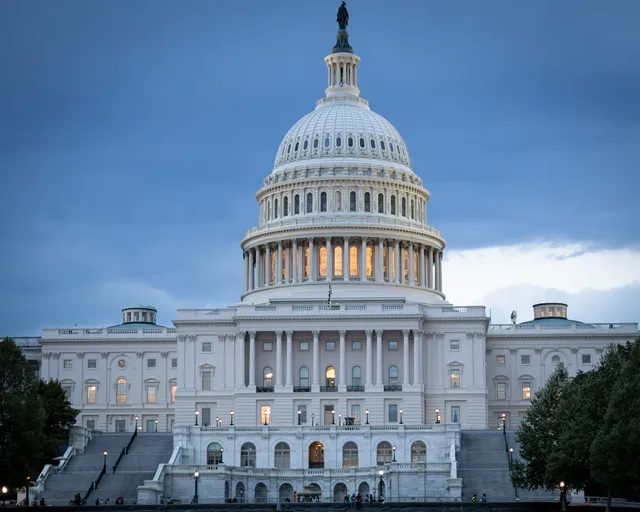
In 2009, Inouye assumed leadership of the powerful Senate Committee on Appropriations after longtime chairman Robert Byrd stepped down. This move placed a representative from Hawaii at the center of the nation's budgetary decisions.
I remember reading through the committee rosters and seeing how such a transition could shift the focus of federal funding. This leadership change was not just a personal milestone but a significant moment for Hawaii history politics.
It ensured that the state had a direct hand in the most critical financial discussions in the country.
What were the specific committee roles held by Hawaii's senators?
A researcher flips through old congressional records, noting the dates and titles associated with Senate leadership. The patterns of committee assignments reveal a deep involvement in various facets of American governance.
Understanding these roles is essential to understanding the US Senate Hawaii role.
The following table compares the different periods of chairmanship held by Daniel Inouye to illustrate the breadth of his influence:
| Committee | Period of Chairmanship |
|---|---|
| Senate Indian Affairs Committee | 1987–1995 and 2001–2003 |
| Senate Appropriations Committee | 2009–2012 |
The diversity of these roles shows how a single leader could influence intelligence, commerce, and tribal affairs. This extensive history provides a window into the complex nature of political leadership Hawaii.
How did legislative influence impact the environment?
The sun rises over a landscape where monitoring systems once tracked the health of the atmosphere. While political leadership often focuses on budgets, it also intersects with scientific oversight and environmental policy.
Shifts in administration can lead to significant changes in how the government manages natural resources.
In April 2018, the Trump administration cancelled NASA's Carbon Monitoring System (CMS) program. This program was vital because it helped with the monitoring of CO2 emissions and deforestation in the United States and in other countries.
Such cancellations highlight how shifts in federal leadership can directly affect environmental monitoring capabilities.
The disappearance of these programs can alter the long-term data available to scientists. This underscores the importance of stable legislative oversight in maintaining crucial national programs.
How can one track the history of Hawaii's political influence?
A student examines a map of the Pacific, tracing the connection between the islands and the distant capital. To understand the political weight of a state, one must look at the history of its representatives in the Senate. This requires a systematic look at committee assignments and tenure.
According to the Senate Commerce Committee, Inouye was chairman of the Senate Indian Affairs Committee between 2001 and 2003, chairman of the Senate Commerce Committee between 2007 and 2009, and chairman of the Senate Appropriations Committee between 2009 and 2012.
- Identify the specific years of service for the senator in question. 2. Cross-reference those years with the chairmanships of major Senate committees. 3. Analyze the legislative impact of those committees on state-specific interests.
After completing these steps, check the official Senate records to verify the specific committee transitions. This process helps clarify the nuances of how senators exert influence over time.
What are the limitations of studying these political roles?
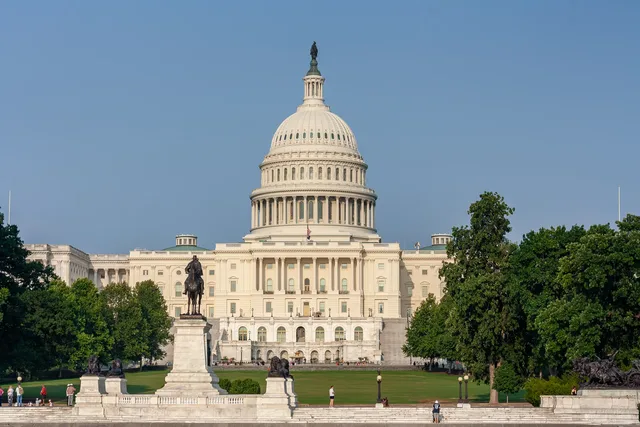
A historian closes a heavy volume, noting that no single record captures the entirety of a legislative career. While committee records are precise, they do not account for the informal negotiations that happen behind closed doors.
The study of these roles is limited by a focus on official titles and formal committee structures.
For instance, while the World Bank data shows that the United States recorded international tourist arrivals of 45,037,000 in 2020, this statistic reflects economic trends rather than direct legislative action.
One cannot assume that every economic shift is the direct result of a specific senator's committee work.
Hawaii political leaders
The same subject is also called Inoue Daniel Senate.
This part also covers Hawaii political status review.
This part also covers Senators role in Hawaii.
This part also covers Life of Hawaii politicians.
Hawaii political status review
Related








Comments 0