Hawaii basic living costs: How to guide your spending
"Living in the islands requires a realistic understanding of how economic shifts impact your daily purchasing power."
Planning a budget for Hawaii involves accounting for higher-than-average consumer prices and local inflationary trends. This guide helps residents and newcomers estimate essential expenses, prioritize spending, and understand the economic context of the United States.
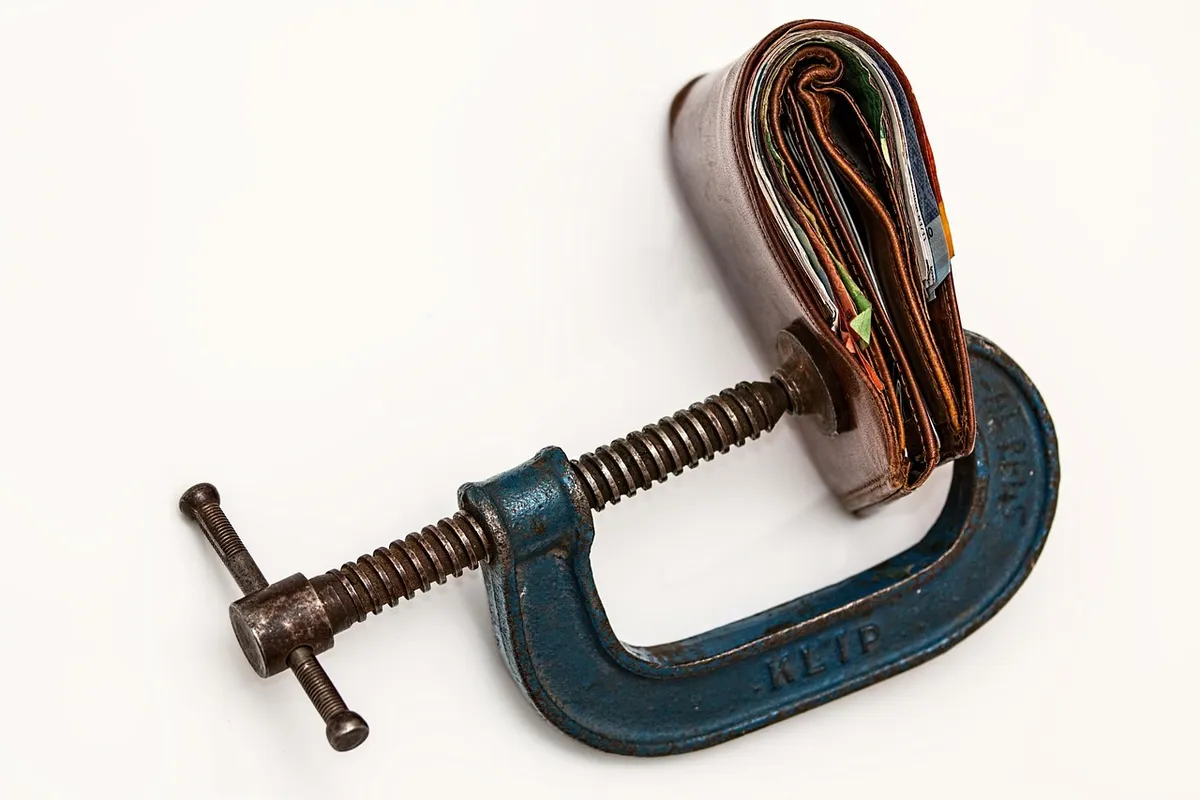
You should focus on housing, food, and transportation, while noting that specific regional price spikes may occur. A primary limitation is that general national inflation figures do not always reflect the unique cost pressures found specifically within the Hawaiian island chain.
* Understand the impact of national inflation on local goods. * Identify core categories for a Hawaii budget planning guide. * Compare general US economic trends with island living. * Prepare for unexpected cost increases in island logistics.
How does inflation affect Hawaii basic living costs?
At noon in a crowded grocery store, I feel the sting of heat while staring at the rising prices for food in Hawaii.
A person stands in a local grocery aisle, looking at the price of milk and bread while checking a receipt. The rising cost of goods is a reality for anyone trying to manage a Hawaii budget planning guide.
According to World Bank data, the United States recorded inflation (consumer prices) of 2.9% in 2024. This national figure serves as a baseline for understanding how much more expensive everyday items have become over the last year.
While this percentage reflects the broader American economy, the logistical challenges of shipping goods to the islands can cause local prices to fluctuate independently of these national trends.
Rising inflation increases the price of imported goods, which directly impacts the cost of groceries and household essentials across the islands.
What will I actually spend in Hawaii?
Walking through a busy neighborhood, a resident pauses to pay a utility bill and checks their mobile banking app. Identifying these core costs is the first step in mastering your local life budget Hawaii.
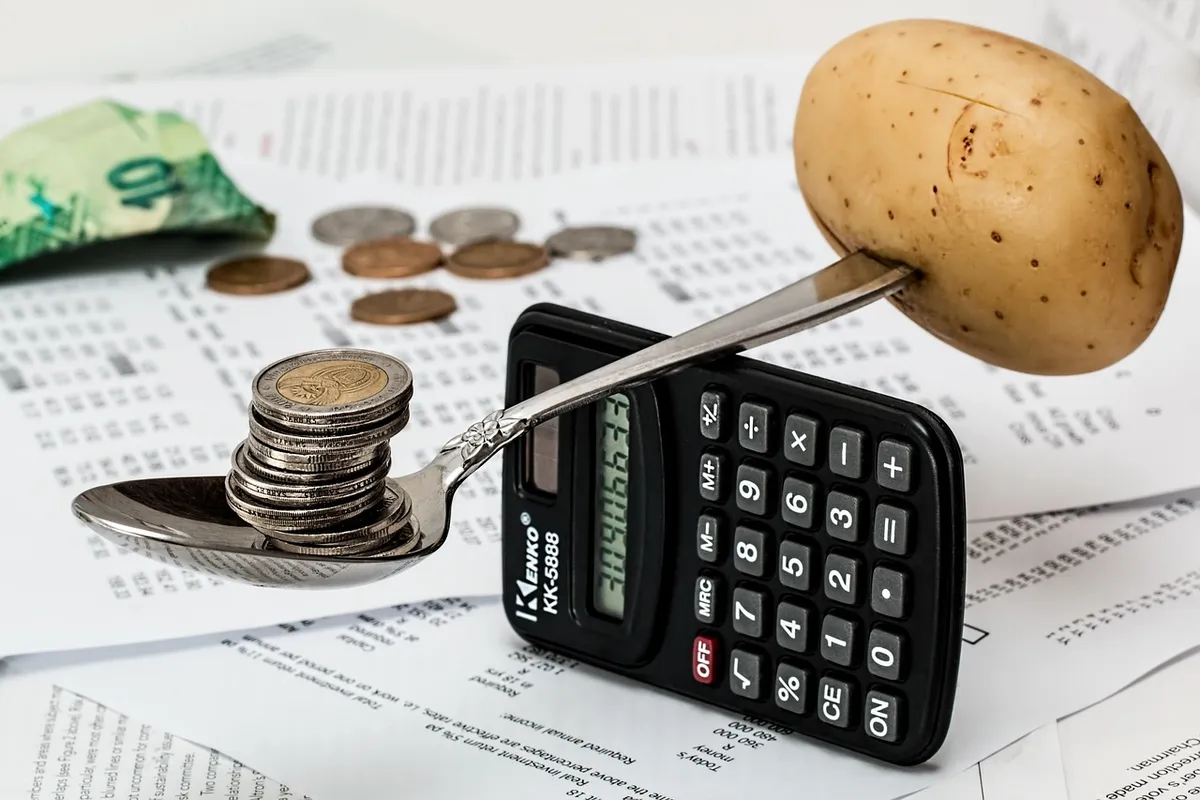
To maintain a stable lifestyle, you must prioritize several recurring outflows. These include housing, which often consumes the largest portion of a monthly check, followed by food, transportation, and utilities.
Managing these essential Hawaii expenses requires a disciplined approach to tracking every dollar spent on necessities. Effective planning ensures that sudden price changes in one category do not destabilize your entire financial foundation.
Key expenses include housing, electricity, water, gasoline, groceries, and healthcare services.
According to World Bank, the 2024 record includes 2.9%.
How can a daily guide help me manage my Hawaii budget?
A traveler sits at a seaside cafe, jotting down the cost of a meal and a coffee in a small notebook. Using a specific method can help you maintain control over your finances.
To implement a structured spending plan, follow these three steps:
- List all fixed monthly costs, such as rent and insurance, to establish a baseline. 2. Track variable daily costs, including groceries and fuel, for at least one full month. 3. Compare your total actual spending against your projected budget to find discrepancies.
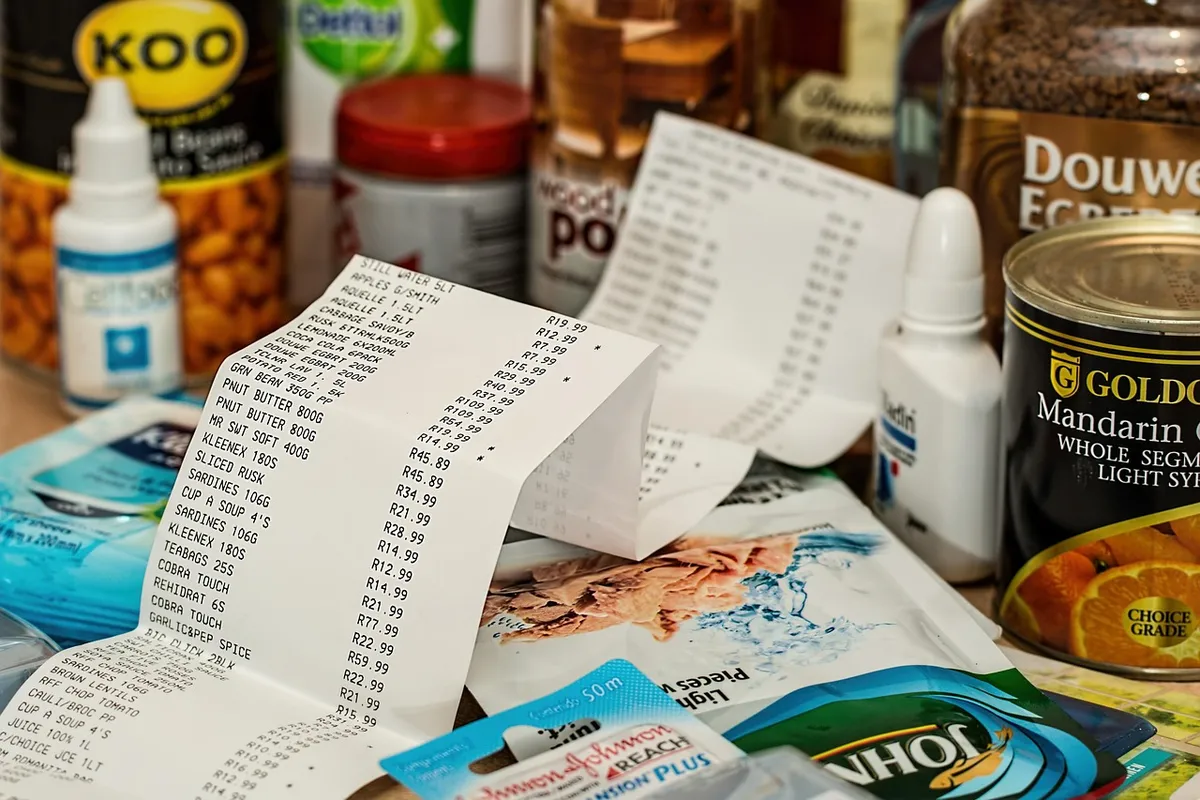
After completing these steps, perform a final check by reviewing your savings rate to ensure you are meeting your long-term goals. I found that comparing my actual grocery receipts to my initial estimates was the most eye-opening part of this process.
A daily spending guide helps you track small, frequent purchases to ensure you stay within your total monthly limits.
How do I estimate Hawaii monthly budget needs?
A resident sits at a kitchen table under a dim light, surrounded by various paper statements and a calculator. They are trying to find a way to estimate Hawaii monthly budget needs accurately.
Creating an accurate estimate requires looking at both fixed and variable categories. You can use the following comparison to see how different spending types behave:
| Expense Category | Type | Frequency |
|---|---|---|
| Housing/Rent | Fixed | Monthly |
| Groceries/Fuel | Variable | Weekly/Daily |
While fixed costs are predictable, variable costs require constant monitoring to prevent budget overruns.
- List all fixed costs like rent and insurance.
- Estimate variable costs such as food and utilities.
- Add a buffer for unexpected emergency expenses.
What is the cost of living in Hawaii compared to the mainland?
A person looks out over the ocean, contemplating the balance between the island lifestyle and the financial reality of the location. Understanding the cost of living in Hawaii is essential for long-term residency.
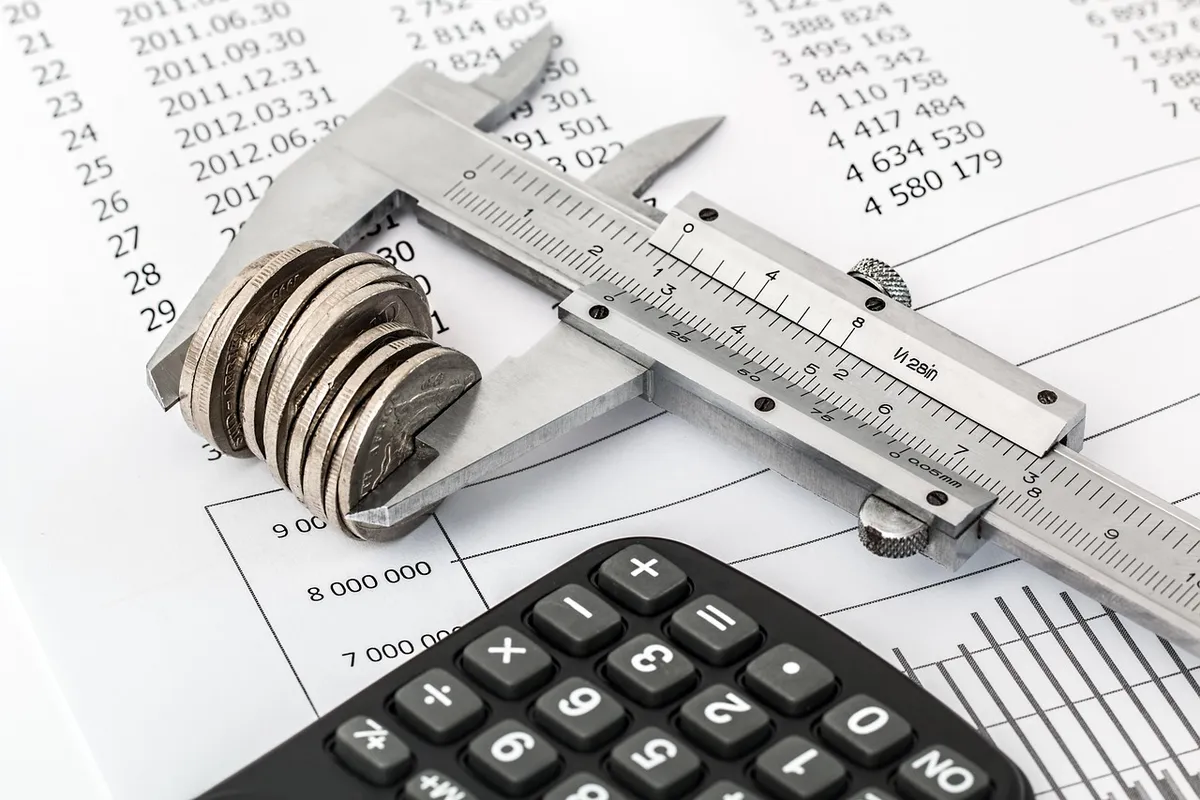
The cost of living in Hawaii often exceeds the national average due to the geographic isolation of the islands. This isolation means that almost all consumer goods must be imported, which adds a logistical premium to the price of everything from electronics to fresh produce.
While national inflation rates provide a general sense of economic direction, the specific island economy operates under unique pressures that make local budgeting more complex than on the mainland.
Living in Hawaii is generally more expensive than the mainland due to the high costs of shipping goods and limited land availability.
The subject here is Hawaii basic living costs.
This part also covers Affordable housing Hawaii costs.
This part also covers Daily spending guide Hawaii.
Related
- How do I manage my internet while working in Hawaii?
- Hawaii guide: Best tips for your 38.8% first trip
What precautions should residents take regarding price volatility in the islands?
- Always assume that the cost of goods will increase over time, especially for items subject to shipping delays. 2. Keep detailed records of prices for staple items to monitor subtle shifts in consumer costs. 3. When budgeting for the islands, build in a contingency fund specifically to cover unforeseen logistical price hikes.
The unique nature of the islands means that supply chain disruptions can translate into immediate, noticeable price changes for residents. Therefore, a cautious approach to spending is warranted when planning for the islands.
This caution is necessary because national inflation figures alone fail to capture the localized economic strain placed on the islands by import dependency.
How does geographic isolation affect the budget for living in the islands?
The geographic isolation of the islands necessitates that nearly all consumer goods arrive via sea or air freight. This reliance on long-distance transport imposes a substantial, built-in premium on the price of almost everything.
When comparing the cost of living in the islands to the mainland, this transportation overhead becomes a major differentiator. The high cost of shipping goods directly inflates the prices found in local stores.
This logistical reality means that even if the mainland experiences a moderate inflation rate, the baseline cost for living in the islands remains elevated due to import duties and freight charges. Residents must factor this structural cost into their initial budget planning for the islands.








Comments 0