Hawaii Workation: Essential Checklist for Your Island Life
"A vacation lasts a week, but a life in Hawaii is built on the decisions you make before you even pack your bags."
Transitioning from a tourist to a long-term resident or a remote worker requires a complete shift in how you view the islands. You aren't just looking for a view; you are looking for a lifestyle that balances productivity with the unique rhythm of the Pacific.
* Mindset Shift: Move from "what can I do today?" to "how do I live here?" * Logistical Hurdles: Prepare for higher costs in transportation, housing, and utility management compared to the mainland. * Financial Reality: Short-term vacation rentals are significantly more expensive than long-term leases; planning your budget around local living is essential. * Location Strategy: Your choice of island dictates your entire experience, from high-energy urban life to quiet, isolated solitude.
🏝️ Before You Go: Why is the first choice so critical?
I remember sitting in a crowded airport lounge in Honolulu in late 2025, looking at a group of travelers clutching colorful leis and tropical drink vouchers, and realizing they were looking at a completely different world than the one I was preparing for.
According to World Bank data, the United States recorded share of internet users of 94.7% in 2024.
According to the Census Bureau, Hawaii's population in 1970 was 38.8% white and 57.7% Asian and Pacific Islander.
They were looking for a momentary escape, while I was looking for a place to set up a desk and a life.
Choosing your island is the first major decision of your workation. If you want the energy of a city with high-speed connectivity and endless food options, Oahu is your hub. If you seek a slower, more romantic pace for a honeymoon-style workation, Maui offers that luxury.
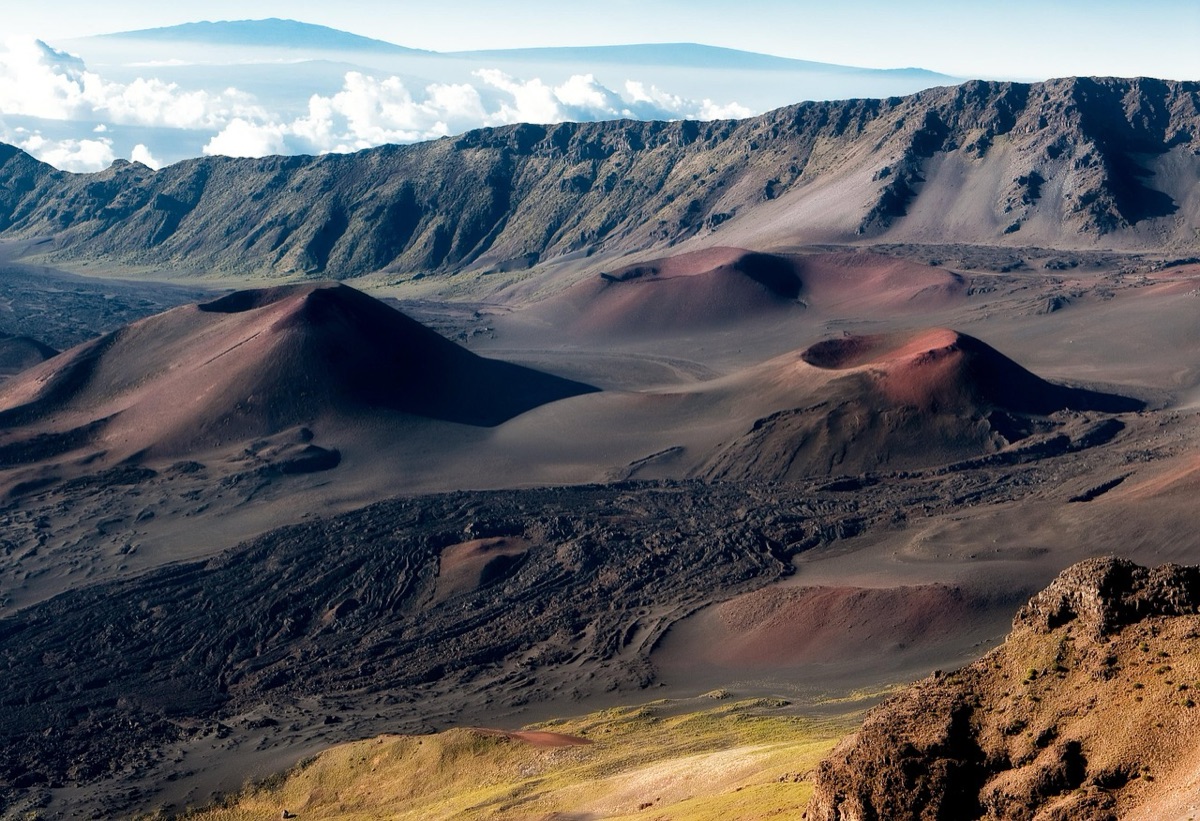
For those wanting to truly disconnect and explore volcanic landscapes, the Big Island provides a sense of vastness you won't find elsewhere. Meanwhile, Kauai offers a lush, quiet sanctuary for those who want to work amidst greenery.
Timing also changes the nature of your stay. While the peak seasons bring vibrant energy, the shoulder seasons often provide better access to local spots without the heavy crowds.
You must also consider the administrative side; while this guide provides an overview, you should always verify your specific visa or residency requirements before making any life-changing moves.
Finally, your initial budget must account for the "tourist tax" of short-term stays. If you arrive without a plan, you will likely end up in a high-priced hotel or a short-term rental that eats through your savings in weeks.
But choosing a place to sleep is only the beginning of the logistical puzzle.

🏡 Settling In: How do you navigate the local cost of living?
The sun hit the linoleum floor of my first semi-permanent studio in Kakaʻako at 6:00 AM in 2025, and I realized that the "vacation" part of my brain was already fighting with the "budget" part of my brain.
I had realized too late that a month of luxury living is vastly different from a month of local living.
When looking for a place to stay, you must decide between furnished short-term rentals and unfurnished long-term leases. Short-term rentals are easier to secure but come with a premium price tag and often include utilities.
Long-term leases are much more affordable but usually require you to provide your own furniture and navigate more complex local rental laws.
Transportation is another reality check. In many parts of the islands, a rental car is not a luxury—it is a necessity for getting to grocery stores, work hubs, and remote trailheads. You must factor in the daily cost of vehicle rentals, fuel, and parking.
Once you move in, you will encounter the local infrastructure. Internet reliability can vary wildly between a high-rise in Honolulu and a cottage in North Kohala. You also need to understand local protocols, such as specific garbage and recycling schedules that differ by county.
Embracing the local rhythm means learning to navigate these small, daily tasks with patience and respect for the community.
However, setting up your home is nothing compared to setting up your workspace.
✈️ Making it Work: Is "working from paradise" a trap?
I sat in a small coffee shop in Kailua in early 2026, the sound of the ocean a constant hum in the background, trying to focus on a spreadsheet while a local group chatted animatedly at the next table.
It was the moment I realized that "working from paradise" requires much more discipline than just having a laptop.
To make a workation successful, connectivity is your top priority. Beyond the tourist hotspots, you need to investigate which local internet providers offer the speeds required for video calls and large file transfers. Do not assume that because you are in a beautiful area, the Wi-Fi will be stable.
Navigating local bureaucracy can also be a hurdle. Setting up local accounts or understanding local tax implications for remote workers is something you should research thoroughly. It is a different experience than setting up a service in a major mainland city.
To stay sane, you must balance your work with local culture. This means eating beyond the tourist traps. Instead of searching for "best restaurants," look for local plate lunch spots or farmers' markets.
Balancing a structured work schedule with deep immersion—like a morning snorkel session before logging on—is the key to avoiding burnout.
But how do you transition from a visitor to someone who truly understands the land?
🏄 Beyond the Tourist Trail: How do you find the real Hawaii?
The smell of damp earth and blooming hibiscus filled the air as I hiked a trail in the Koʻolau Range in 2025, a sharp contrast to the air-conditioned office I had left that morning.
I realized that a month in Hawaii allows you to see the seasons and the wildlife in a way a week-long traveler never could.
A month-long stay allows for a different kind of sequencing. Instead of rushing from one landmark to another, you can plan your itinerary around seasonal events, such as whale watching seasons which typically occur from December to April.
Environmental awareness is also crucial. You must practice reef-safe habits and respect the local flora and fauna to ensure you are a responsible visitor. The ecosystems here are delicate; what you do on a Tuesday morning can impact the reef you visit on Friday.
Genuine local encounters happen when you step away from the crowded beach clubs. Engage with the community through local events, volunteer, or simply visit the same local shop regularly. This transition from "visitor" to "regular" is how you truly experience the islands.
If you are planning this transition, you need a concrete plan to avoid financial pitfalls.
💰 The Financial Reality: How do you prepare your budget?
| Expense Category | Short-Term (Tourist) Focus | Long-Term (Resident) Focus |
|---|---|---|
| Accommodation | High-end hotels/Resorts | Monthly leases/Condos |
| Transportation | Daily car rentals/Taxis | Monthly car lease/Local transit |
| Food & Dining | Fine dining/Tourist restaurants | Grocery/Local plate lunches |
| আক্রমণ | ||
| Activities | Guided tours/Luxury excursions | Self-guided/Local gear rental |
Planning a long-term stay requires a clear-eyed look at your finances. You cannot live on a vacation budget for a month. As you plan your finances, keep in mind that World Bank data shows the United States recorded a share of internet users of 94.7% in 2024.
To stay on track, follow this checklist:
- Establish a Baseline: Calculate your essential monthly costs (rent, food, transport) before you arrive.
- The Buffer Fund: Always keep a contingency fund of at least 20% for unexpected costs like car repairs or sudden price hikes in local services.
- Categorize Spending: Separate your "must-have" work expenses from your "nice-to-have" leisure expenses.
- Research Local Pricing: Prices for goods and services can vary significantly between islands; do your research on your specific destination.
#








Comments 0