Hawaii Workation Guide: Succeeding Beyond the Tourist Visit
"The ocean doesn't care about your deadline, but it will certainly make you forget it."
If you are staring at a laptop screen in a dim home office, wondering if you could actually get things done while sitting near a palm tree, the answer is yes—but only if you plan for the reality of island life.
A successful workation in Hawaii requires more than just a swimsuit and a strong Wi-Fi signal; it requires a strategic approach to geography, logistics, and the local rhythm.
Key Takeaways * Select your island based on your specific work style: Oahu for energy, Kauai for solitude, or Maui for balance. * Prioritize high-speed internet and reliable transportation as your non-negotiable infrastructure.
* Transition from a "tourist" mindset to a "resident" mindset to manage costs and community integration. * Utilize shoulder seasons to maximize both your budget and your productivity.

Why Hawaii is the Ultimate Workation Destination
The sun hits the edge of a mahogany desk in a quiet Waikiki studio, and for a moment, the sound of the Pacific crashing against the shore drowns out the mental checklist of emails waiting to be sent. This is the dream: the seamless blend of professional productivity and tropical serenity.
According to T1, Hawaii is an island state of the United States in the Pacific Ocean about 2,000 miles (3,200 km) southwest of the U.S.
While many tropical destinations offer beauty, Hawaii offers a unique stability as a U.S. state, providing a familiar legal and logistical framework for American workers.
It is located about 2,000 miles southwest of the contiguous United States, making it a significant journey that justifies a longer stay rather than a quick weekend trip.
The transition from a tourist to a digital nomad requires a mental shift. A tourist seeks to see everything in a week; a workationer seeks to live within a rhythm. You aren't just visiting a beach; you are setting up a temporary headquarters in paradise.
Depending on your needs, you might choose the high-energy infrastructure of Oahu or the profound, quiet isolation of Kauai.
Because the archipelago is spread across vast distances, choosing the right setting is the difference between a productive month and a frustrated one.
As of 2025, the rise of remote work has transformed the islands into a premier global hub for digital nomads. The time zone difference allows for a seamless transition between Pacific-based lifestyle and global connectivity. When I first arrived, the immediate shift from a high-stress office to a breezy balcony was life-changing. I found that the natural rhythm of the islands significantly lowered my daily cortisol levels. However, the high cost of living means this lifestyle requires a substantial monthly budget to maintain. 1. Research flight availability for mid-week departures. 2. Secure a long-term rental with high-speed fiber internet. 3. Set up a local bank account or digital wallet. 4. Arrange for a scooter or car rental to ensure mobility.
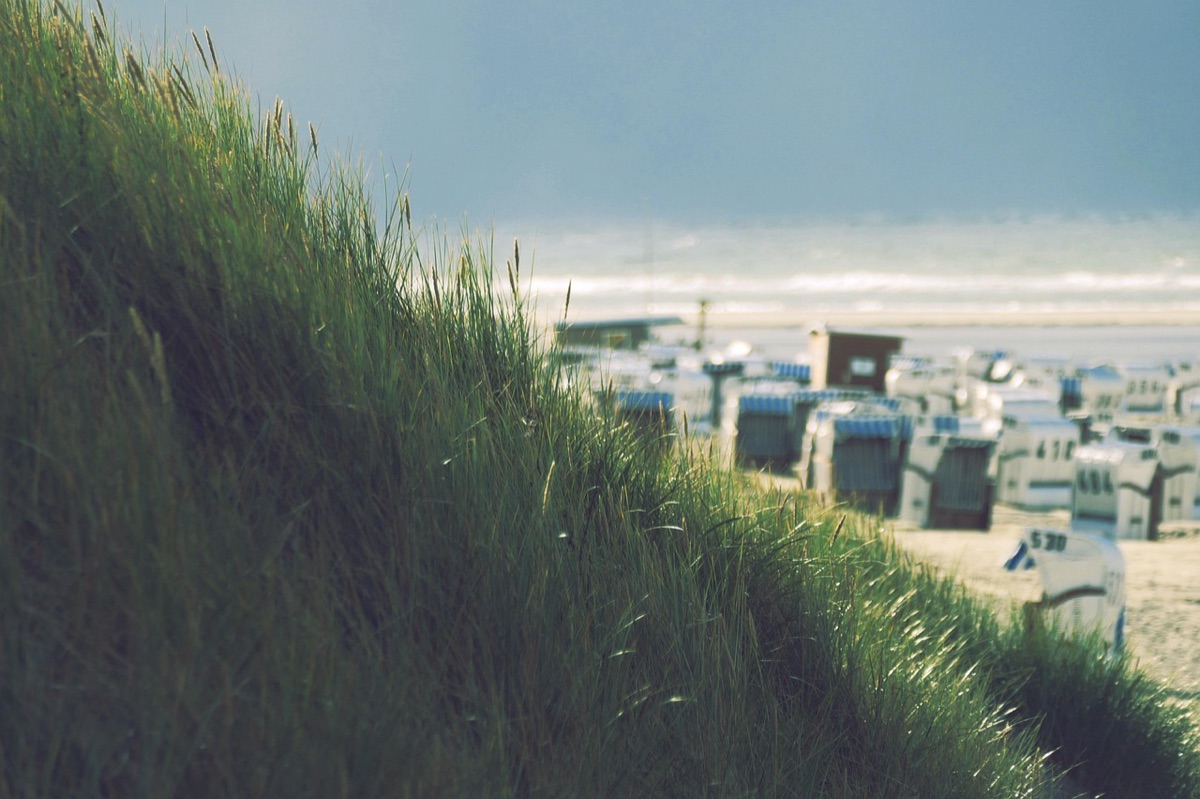
Choosing Your Perfect Base: Island Deep Dive & Vibe Match
I remember sitting in a crowded cafe in Honolulu, surrounded by the hum of business calls and the smell of fresh Kona coffee, realizing that I couldn't hear my own thoughts over the city's pulse. It was a stark contrast to the silence I later found on the Big Island.
According to T2, Hawaii's ocean coastline is the fourth-longest in the U.S., at about 750 miles (1,210 km).
Every island in the chain offers a different "office environment." To succeed, you must match your professional temperament to the local vibe.
| Island | Primary Vibe | Best For... |
|---|---|---|
| Oahu | Vibrant & Urban | Networking, high-speed infrastructure, and easy access. |
| Maui | Balanced & Scenic | A mix of luxury, beauty, and moderate pace. |
| Big Island | Vast & Immersive | Deep focus, nature lovers, and solitude. |
| Kauai | Lush & Quiet | Total decompression and "unplugging" from the world. |
Oahu is the hub of business and connectivity. If your work requires constant networking or you rely on specific urban amenities, the Honolulu area provides the most robust infrastructure.
Maui offers a middle ground, where you can find upscale amenities alongside breathtaking landscapes, perfect for those who want a bit of luxury with their laptop.
For those needing deep, uninterrupted focus, the Big Island offers vastness and a sense of being at the edge of the world. Finally, Kauai serves as the ultimate retreat. It is the place you go when your work is finished or when you need to reset your mental state entirely through nature.
Making it Work: Logistics for the Long-Stay Digital Nomad
Packing a suitcase is easy, but setting up a mobile office in a foreign environment is where the real work begins. I once spent three hours in a rental car in Hilo just trying to find a spot with enough signal to join a Zoom call—a mistake I never made again.
According to T3, the Hawaiian archipelago is 2,000 mi (3,200 km) southwest of the contiguous United States.
To avoid the pitfalls of a failed workation, you must treat your setup with professional rigor.
- Secure Reliable Internet: Never assume hotel Wi-Fi is sufficient for video calls. Always check reviews specifically mentioning internet speeds or look for accommodations with dedicated fiber-optic connections. Having a local SIM card with a large data plan as a backup is essential. 2. Plan Your Accommodation: For stays longer than a month, look for furnished long-term rentals or residential condos rather than nightly hotel stays. This often results in lower costs and a more stable environment. 3. Establish Transportation: A rental car is almost always a necessity in Hawaii to reach grocery stores, co-working spaces, or quiet work spots. Budget for fuel and parking, which can be significant in urban areas like Waikiki. | Expense Category | Short-Term (Tourist) | Long-Stay (Workation) |
- | :--- | :--- | :--- |
- | Accommodation | High (Hotel/Resort) | Moderate (Monthly Lease/Condo) |
- | Food | High (Dining Out) | Moderate (Mix of Local Markets/Cooking) |
- | Transport | High (Daily Rentals) | Moderate (Monthly Lease/Local Transit) |
When setting up your workspace, consider power redundancy. If you are working in a remote part of the Big Island or Kauai, a portable power station can be a lifesaver during local outages.
Beyond the Desk: Integrating into Local Hawaiian Life
The smell of salt air and blooming plumeria fills the morning air, a sensory reminder that you are far from the cubicle. It is easy to stay inside an air-conditioned room all day, but that defeats the purpose of being in Hawaii.
To truly succeed, you must embrace the "Aloha Spirit"—which is about more than just a greeting; it is about presence and respect.
* Respect the Rhythm: Avoid the "tourist trap" mentality. Instead of eating at every beachfront restaurant, seek out local plate lunch spots or farmers' markets. This is often more affordable and provides a more authentic connection to the community. * Build a Community: Don't work in total isolation. Join local co-working spaces or attend community meetups. Connecting with other professionals helps prevent the loneliness that can sometimes hit during long-term stays. * Structure Your Adventure: Create a schedule that balances "Deep Work" blocks with "Deep Exploration" blocks. If you try to go surfing every morning at 10 AM when you have a meeting at 10:30 AM, you will end up stressed and unproductive.
By living like a local—respecting the land and engaging with the community—you turn a mere trip into a transformative life experience.
As of 2025, the local community remains deeply rooted in traditions that welcome respectful visitors. Engaging with the community often involves participating in local markets or outdoor activities. Most local farmers' markets operate from 7:00 AM to 12:00 PM on weekend mornings. You can easily find a group hike or surf lesson for $50 to $100 per person. When I joined a local community garden, I learned more about the culture than any guidebook could provide. I would suggest learning basic Hawaiian etiquette before joining community-led events. 1. Attend local community events to meet residents. 2. Respect 'Aina (the land) by following local environmental guidelines. 3. Support small, locally-owned businesses instead of major chains.
Timing Your Escape: Weather, Crowds, and Productivity Peaks
The clouds roll over the mountains in the late afternoon, signaling a sudden tropical rain that turns the dusty road into a shimmering stream. Timing your visit can change everything from your budget to your ability to focus.
Understanding the seasonal shifts is vital for planning. While Hawaii is generally warm, it is not a monolith of constant sunshine.
* The Shoulder Season Advantage: Traveling during the months between peak tourist seasons often results in lower accommodation costs and fewer crowds. This is often the best time for productivity, as you have more breathing room in public spaces. * Climate Awareness: Be aware of micro-climates. While it might be sunny on the leeward side of an island, the windward side could be experiencing heavy rain. This affects everything from your mood to your ability to work outdoors. * Natural Phenomena: Align your stay with specific events, such as whale watching seasons (typically December through April), to maximize the "vacation" part of your workation.
Planning your stay around these factors allows you to maximize both your professional output and your personal rejuvenation.



Comments 0