Maui fire safety guide: Tips for understanding island risks
Travelers visiting Maui must prepare for rapid weather changes and understand the local emergency response infrastructure to stay safe. This guide covers the environmental risks inherent to the island, such as wildfire conditions, and explains how to utilize official alert systems during your stay. Understanding these natural hazards and the specific safety protocols in place is essential for anyone planning a trip to the Valley Isle.
* Monitor local weather patterns for sudden wind shifts. * Register for official emergency notification systems. * Understand the specific wildfire risks associated with dry vegetation. * Follow evacuation orders immediately without delay.
What are the biggest wildfire risks in Maui?
At noon, the scorching heat radiates off the parched grass near a Maui trail as the wind whips against your skin. A dry wind sweeps through the tall grass near a coastal trail, carrying the scent of parched earth. The heat of the afternoon sun intensifies the dryness of the landscape, making the vegetation highly combustible. This environment creates significant Hawaii wildfire risks that visitors must respect.
Wildfire conditions on Maui are often driven by specific meteorological patterns, where high winds meet extremely dry vegetation. These circumstances can cause small sparks to escalate into uncontrollable blazes with incredible speed.
Recognizing these Hawaii wildfire risks is the first step in maintaining a safe environment during your vacation.
How can I stay informed about Maui travel hazards? Maui fire safety guide
A smartphone vibrates in a pocket while sitting on a wooden beach table, signaling a sudden change in local conditions. The screen displays a notification regarding weather shifts or safety alerts. Staying connected to local updates is a vital part of managing Maui travel hazards.
To mitigate risks, travelers should rely on official government channels for real-time information. Local authorities use various digital tools to broadcast warnings about wind speeds or fire threats.
Being proactive about these Maui travel hazards ensures that you are never caught off guard by shifting environmental conditions.
According to World Bank, the 2024 record includes 94.7%.
How can I best prepare for a natural disaster?
A traveler sits in a hotel room, checking a portable radio and ensuring their phone is fully charged. They lay out a small bag containing essential documents and water. Effective natural disaster prep involves being ready for sudden shifts in local safety status.
Effective natural disaster prep requires a combination of digital and physical readiness. You should ensure you have access to multiple communication methods, as cellular networks may face strain during major events.
Integrating these habits into your daily routine helps maintain stability when unexpected situations arise.
Understanding Hawaii weather alerts
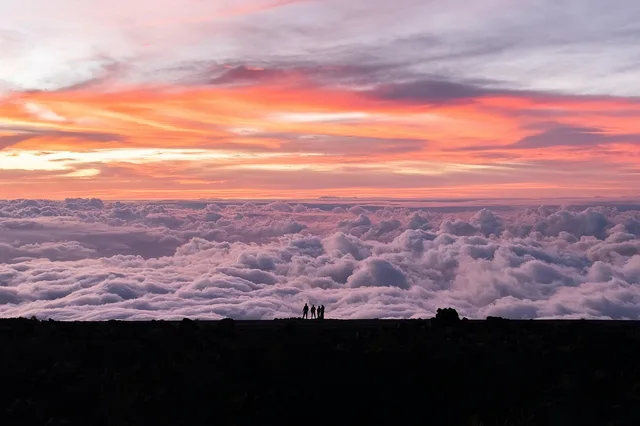
A heavy cloud moves quickly over a mountain peak, obscuring the view of the ocean below. The sudden drop in visibility and change in temperature signals a shift in the local climate. Understanding Hawaii weather alerts is necessary for navigating the island's diverse microclimates.
Official alerts provide critical data regarding wind, rain, and fire potential. These notifications are designed to give residents and tourists enough time to seek shelter or relocate.
Following these Hawaii weather alerts can make the difference between a minor inconvenience and a dangerous encounter with the elements.
Navigating Hawaii emergency response plans
An emergency vehicle moves quickly down a winding road, its lights flashing against the tropical greenery. The sound of the siren echoes through the valley, signaling an active response to a local incident.
Familiarizing yourself with the Hawaii emergency response plans allows for smoother movement during a crisis.
Local agencies follow structured Hawaii emergency response plans to manage large-scale events. These plans include coordinated evacuation routes and designated safe zones for the public. Knowing that these structures exist provides a layer of security for those traveling through the islands.
How to follow safety protocols during a trip?
A visitor watches a local official speak on a news broadcast, taking notes on the suggested safety measures. They look at a map to identify the nearest high ground or evacuation center. Following organized safety steps is the most reliable way to ensure personal security.
- Sign up for local emergency text alerts immediately upon arrival. 2. Identify the nearest evacuation routes for your specific accommodation. 3. Keep a small, ready-to-go emergency kit in your rental vehicle.
After completing these steps, perform a final check to ensure your mobile devices are updated with local emergency apps. I found that checking these settings as soon as I checked into my rental house made me feel much more prepared for the unexpected.
World Bank Based on the retained excerpt mentioning World Bank: According to World Bank data, the United States recorded share of internet users of 94.7% in 2024.
- What are the primary wildfire risks in Maui?
- How can I stay informed about Maui travel hazards?
- What is the best way to handle natural disaster prep?
The subject here is Maui fire safety guide.
This part also covers 2023 Maui fire lessons.
This part also covers Hawaii emergency response plan.
This part also covers Understanding tropical risks.
2023 Maui fire lessons
Related
- Pipeline surfing world events: 11 record wins guide
- Hawaii guide: Best tips for your 38.8% first trip
When should travelers prioritize evacuation?
Travelers must prioritize evacuation when local authorities issue official orders or when wildfire conditions escalate due to high winds and dry vegetation. Moving immediately without delay is the primary requirement during these specific emergency events.
Waiting for further confirmation can be dangerous when wind shifts occur. If you receive a notification regarding fire threats or extreme weather, you should follow the established evacuation routes provided by local agencies.
Comparing the speed of wind shifts to the distance of your accommodation can help you realize the necessity of moving to a designated safe zone quickly.








Comments 0