Media portrayal: Why views shift in 56% guide
"Encounters with paradise: views of Hawaii and its people, 1778–1941" serves as a historical lens for understanding how the islands were perceived by outsiders.
The history of how Hawaii is presented in media and literature reveals a shifting narrative between romanticized paradise and complex cultural reality. This overview explores how historical records, linguistic shifts, and tourism management shape the island's image.
Key takeaways include the impact of changing enrollment numbers on indigenous culture, the role of tourism authorities in managing media narratives, and the evolution of language preservation.
How did early historical records shape the Hawaiian image?

A researcher flips through old archives, tracing the lines of maps drawn centuries ago. These early depictions often focused on the intersection of geography and the people living within it.
According to the Honolulu Academy of Arts, the work titled "Encounters with paradise: views of Hawaii and its people, 1778–1941" provides a specific look at these historical perspectives. This era of documentation captured the initial external views of the islands and its inhabitants.
Such records laid the groundwork for the romanticized "paradise" trope often seen in later media.
The shift from early exploration to organized territory changed how the islands were documented. These historical views often served as the foundation for future literary and cinematic depictions.
How did changes in school enrollment affect cultural representation?
A teacher looks at a vintage ledger, noting the declining numbers of students in a classroom setting. The numbers tell a story of a changing demographic landscape.

In 1890, pure Hawaiian students made up 56% of school enrollment. By 1900, those numbers dropped to 32%, and by 1910, they fell to 16.9%. This rapid decline in the percentage of indigenous students in schools reflects a significant shift in the cultural environment during the territorial period.
These statistics illustrate the changing face of the population during the early 20th century. Such shifts directly influenced the cultural landscape and the subsequent portrayal of the islands in various media formats.
According to World Bank, the 2024 record includes 94.7%.
What role does the media play in tourism management?
A travel agent pauses while reading a news alert on a tablet, considering how it might affect upcoming bookings. The news directly impacts how people perceive their travel destinations.
According to the Sustainable Tourism Association of Hawaii, the organization was founded in 1995 as a 501(c)(3) nonprofit to nurture the development of sustainable tourism in Hawaii.
On April 6, 2020, the Hawaii Tourism Authority asked the media to refrain from publishing any stories about Hawaii that might encourage people to travel to the islands. This request was a response to the specific health and safety context of the time.

Such management of media narratives is a tool used to control the flow of visitors and protect local interests.
Managing the media narrative is a common practice for tourism boards. This specific instance shows how external crises can lead to direct requests for changes in how a destination is presented to the world.
How has the language evolved alongside modern technology?
A student sits at a desk, typing a new word into a digital dictionary. The intersection of tradition and technology creates a new linguistic reality.
The university sponsors a Hawaiian Language Lexicon Committee (Kōmike Huaʻōlelo Hou), which coins words for concepts that historically have not existed in the language, such as "computer" and "cell phone." This process allows the language to remain relevant in a modern, tech-driven world.
It ensures that the culture can engage with contemporary life through its own linguistic framework.
Language revitalization often requires adapting to new tools and concepts. By creating new terms, the community works to keep the language functional in everyday modern life.
How do we compare historical versus modern linguistic data?
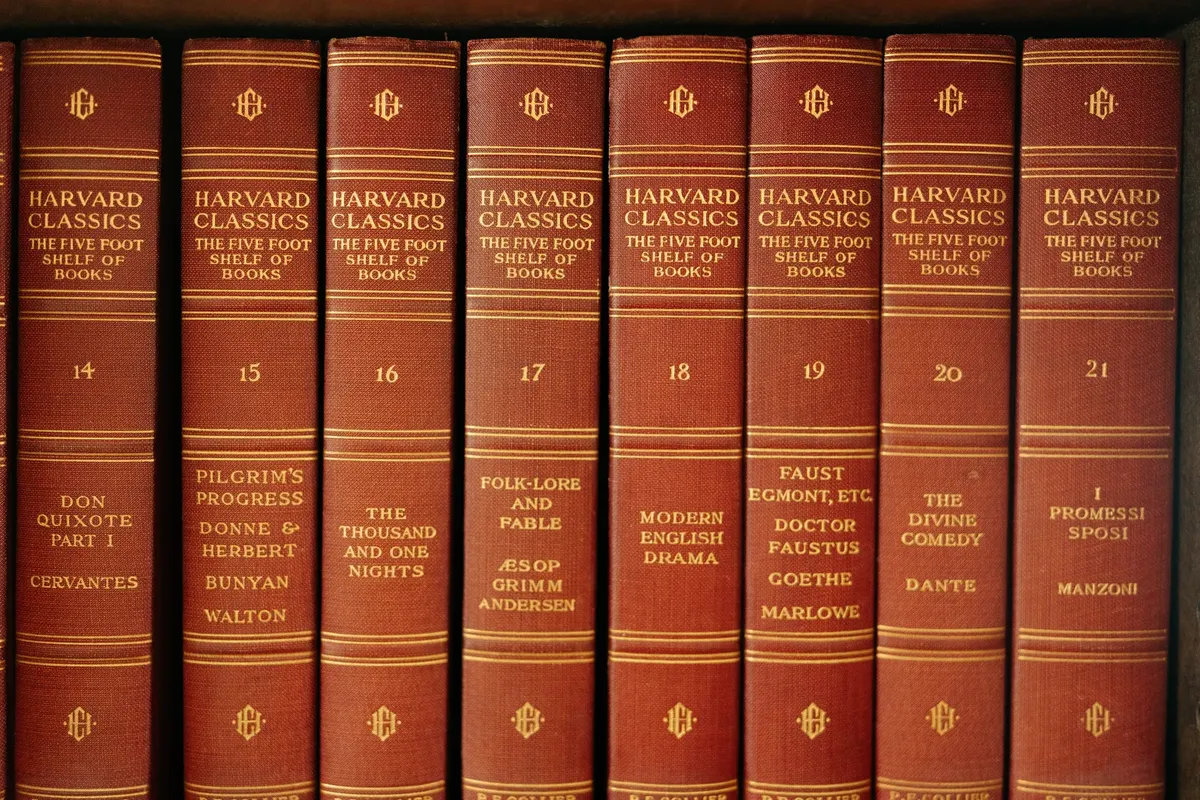
An archivist compares two different reports side by side to identify trends over time. The comparison highlights the dramatic shifts in population and language use.
| Time Period | Statistical Detail |
|---|---|
| 1997 | Native speakers were under 0.1% of the statewide population |
| 2011 | Native speakers rose to 2,000 out of 24,000 fluent individuals |
I observed how these numbers changed drastically between the late 20th century and the early 21st century. While the percentage of native speakers was once extremely low, the total number of fluent speakers has seen specific recorded shifts.
The comparison shows the movement from a shrinking base to a more defined group of fluent speakers. Understanding these numbers is essential for grasping the current state of Hawaiian language-related media and culture.
What are the limitations of studying these historical views?
A historian closes a heavy book, acknowledging that no single source provides the complete truth. Every perspective is shaped by the era in which it was written.
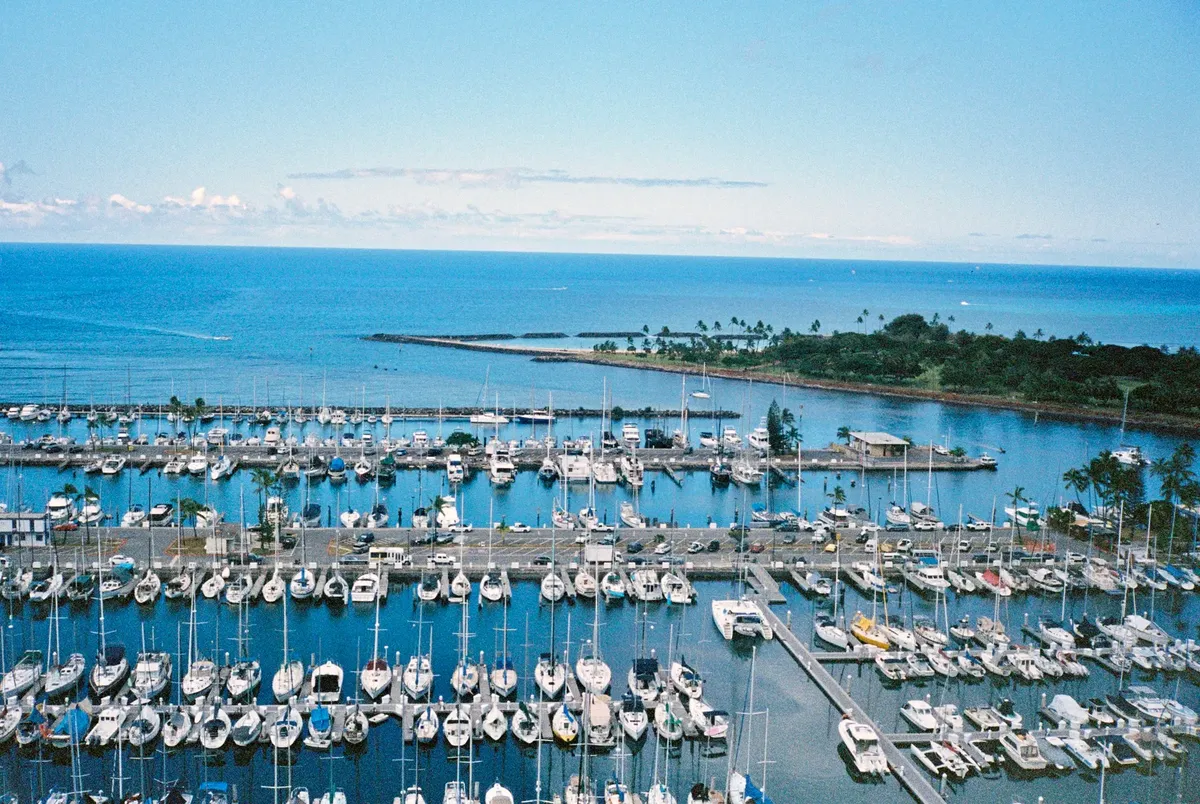
One limitation is that historical records like "Encounters with paradise" focus on a specific timeframe, which may not reflect the entirety of the indigenous experience. A limitation exists where the documented views of 1778–1941 might prioritize external perspectives over internal cultural nuances.
The focus on specific eras can sometimes overshadow the continuous history of the people. Recognizing these boundaries is necessary for a balanced understanding of the islands' history.
World Bank Based on the retained excerpt mentioning World Bank: According to World Bank data, the United States recorded share of internet users of 94.7% in 2024.
- How did early historical records shape the Hawaiian image?
- How did changes in school enrollment affect cultural representation?
- What role does the media play in tourism management?
Related
- Hawaiian Polynesian roots: Guide to island identity
- Hawaiian islands map history: Political shifts guide
How does the concept of "paradise" shift across these views?
The concept of "paradise" undergoes a noticeable transformation when viewed through the lens of early historical documentation. The initial portrayals, found in sources like "Encounters," often embraced a romanticized ideal of the islands.
This early framing contrasts with the later realities reflected in demographic shifts and linguistic adaptation.
This contrast between the idealized "paradise" and the lived cultural experience underscores the selective nature of early outsiders' documentation.
The initial external view, while painting a picture of unspoiled beauty, often glossed over the complex internal realities of the inhabitants during that specific timeframe.
The modern understanding acknowledges that the islands are not merely a static "paradise" but a dynamic cultural entity. This dynamic quality is evidenced by the language committee's efforts to apply contemporary concepts to the lexicon, thereby grounding the culture in the present.
What cautions apply when interpreting these portrayals?
One caution involves the potential for external biases embedded in the historical record. The views documented between 1778 and 1941, while valuable, represent a specific viewpoint from a particular moment in time.
Therefore, these early accounts must be read critically to avoid accepting them as the singular, objective truth about the islands.
Another caution arises from the comparison between the initial romanticization and the subsequent pressures faced by the indigenous population.
The rapid decline in percentage representation in schools, for example, suggests that the idyllic image may have masked significant societal pressures during the territorial period.







Comments 0