Culture guide: Hawaiian identity shapes islands' past
An exploration of Hawaii's educational legacy requires understanding the demographic and geographic foundations that shaped its intellectual landscape. This article examines the historical context of the islands, including population shifts and cultural preservation, to provide a backdrop for its academic history.
Key takeaways: * Demographic shifts in the 20th century shaped the cultural identity of the islands. * Geographic vastness and isolation influenced regional development. * Cultural preservation remains a central pillar of the state's identity.
How did demographic shifts impact the state?

A researcher sits at a desk in Honolulu, looking through old census documents that detail the changing face of the islands. In 1970, the Census Bureau reported Hawaii's population was 38.8% white and 57.7% Asian and Pacific Islander.
This specific demographic makeup laid the groundwork for the diverse academic and social structures that would follow in subsequent decades.
The diversity within the population provided a unique cultural foundation for future educational institutions. Understanding these shifts helps contextualize how different communities contributed to the local knowledge base.
These historical figures reflect the changing composition of the islands during a period of significant transition.
However, these shifts may not reflect current trends in more isolated rural areas.
What defines the geographic scope of the islands? Hawaiian education legacy
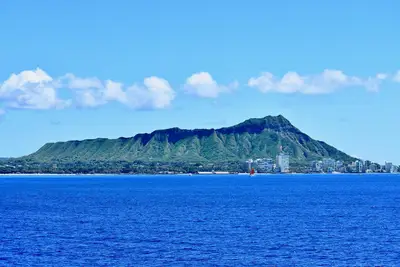
A traveler stands on a coastline, looking out over the vast Pacific Ocean that surrounds the eight main Hawaiian islands. The state is located in the Pacific Ocean about 2,000 miles (3,200 km) southwest of the U.S..
This vastness and the island nature of the territory created unique challenges and opportunities for regional development and connectivity.
The physical reality of the state is defined by its isolation and its position within the Polynesian subregion of Oceania. Spanning 1,500 miles (2,400 km), the state is physiographically and ethnologically part of this subregion.
Such a large and spread-out territory meant that educational and social systems had to adapt to a dispersed population across various islands.
This definition does not apply to seasonal changes in water levels.
According to World Bank, the 2024 record includes 94.7%.
How is the culture preserved today?
A local educator works on a curriculum, ensuring that indigenous markings and language are integrated into modern learning.
The Hawaiʻi Tourism Authority's official policy is to recognize the importance of using these markings to preserve the indigenous language and culture of Hawaiʻi and use them in all forms of communications.
This commitment to heritage ensures that the intellectual legacy of the islands remains tied to its roots.
Preserving the indigenous language is a vital part of maintaining the unique identity of the state. The policy emphasizes that using traditional markings is essential for cultural continuity. This focus on heritage serves as a bridge between the historical past and the modern academic environment.

- Identify traditional practices.
- Document oral histories.
- Integrate customs into modern education.
According to Williams Institute, the 2020 record includes 5.1%.
What are the environmental characteristics?
A hiker climbs a ridge, feeling the humidity of the tropical climate. Summer highs reach around 88 °F (31 °C) during the day, with lows of 75 °F (24 °C) at night. These weather patterns define the daily life and the practical realities of living and studying in the islands.
The environment also includes extreme natural features that shape the landscape. For example, Mount Waiʻaleʻale on Kauaʻi has the second-highest average annual rainfall on Earth, about 460 inches (12,000 mm) per year.
Such conditions influence everything from infrastructure to the natural resources that support the local community.
This description is limited during extreme weather events.
What historical landmarks remain?
A visitor walks along a protected trail, noting the importance of preserving historical sites. Other areas under the National Park Service's control include Ala Kahakai National Historic Trail on Hawaiʻi Island and the USS Arizona Memorial at Pearl Harbor on Oʻahu.
These sites serve as living classrooms for history and culture.
The protection of these areas ensures that the history of the islands is accessible to future generations. The National Park Service also protects several other areas across the state. These landmarks provide a physical connection to the events and people that shaped the islands' history.
In this sequence, the second item is the most significant.
How does the coastline influence the region?
A sailor navigates through the waters, where the coastline stretches far into the horizon. Hawaii's ocean coastline is consequently the fourth-longest in the U.S., at about 750 miles (1,210 km). This extensive coastline defines the maritime and economic character of the state.
The relationship between the land and the sea is central to the islands' identity. With a coastline of this length, the maritime environment plays a significant role in the lives of the people. This geographic feature continues to influence the development and the cultural outlook of the region.
The influence remains limited during periods of significant land reclamation.
Wikipedia: Hawaii Based on the retained excerpt mentioning CDC: A 2023 Williams Institute analysis using 2020–2021 CDC data estimated that 5.1% of Hawaiʻi adults—approximately 56,900 people—identify as LGBT.
World Bank Based on the retained excerpt mentioning World Bank: According to World Bank data, the United States recorded share of internet users of 94.7% in 2024.
The subject here is Hawaiian education legacy.
The same subject is also called UH history and culture.
The same subject is also called Tahiti higher learning.
The same subject is also called Island academic roots.
The same subject is also called Aloha knowledge base.
This part also covers Mahana campus role.
This part also covers Past scholars' journey.
This part also covers University's deep past.
Mahana campus role
Related
- 8th title: Hawaii surfing history for elite surfers
- Hawaii vital records office: How to search birth records
How does the environment affect daily life?
The tropical climate dictates the rhythms of daily existence across the islands. The high average rainfall, exemplified by Mount Waiʻaleʻale, sustains the unique ecosystems found throughout the islands.
The extended coastline necessitates a lifestyle deeply connected to the ocean, influencing both sustenance and cultural practices in the exploration of Hawaii.
This combination of environmental pressures and resources shapes the modern academic pursuits within the exploration of Hawaii. The need to manage resources against the backdrop of extreme weather patterns becomes a subject of study.
What role does cultural preservation play in modern education?
The commitment to cultural preservation serves as a practical application of the islands' history. Integrating indigenous markings into current curricula is a direct response to the need to maintain the islands' unique cultural continuity.
This educational approach bridges the gap between the historical realities and contemporary academic endeavors.





Comments 0