How do I manage my internet while working in Hawaii?
A laptop rests on a wooden table overlooking a turquoise coastline, where the sound of crashing waves competes with the rhythmic tapping of keys.
This guide covers digital connectivity, economic considerations, and cultural nuances to ensure a smooth transition.
How do I manage my internet while working in Hawaii? A traveler sits in a quiet cafe, searching for a stable signal to join a video conference. Reliable internet is the backbone of any remote work setup, especially when moving between islands.

This high level of connectivity suggests that digital infrastructure is generally robust, making it easier to find workspaces with high-speed access.
One might encounter varying signal strengths depending on the specific island or remote location. Using a local SIM card or a portable hotspot can serve as a necessary backup to local Wi-Fi.
What is the current state of the U.S. economy? Hawaii workation local life A person reviews their budget while looking at a menu in a bustling coastal town. Understanding the financial context of the country helps in planning long-term stays and managing expenses effectively.
According to the OECD, Americans have the highest average household and employee income among OECD member states, and the fourth-highest median household income in 2023, up from sixth-highest in 2013.
Budgeting for a workation requires an awareness of regional economic standings. Americans have the highest average household and employee income among OECD member states, and the fourth-highest median household income in 2023, up from sixth-highest in 2013.
These figures reflect a diverse economic environment that affects the cost of living across different regions.
Planning for high-cost areas is essential when choosing a destination. Maintaining a clear budget helps prevent unexpected financial strain during extended stays.
According to World Bank, the 2024 record includes 94.7%.
Navigating the scale of the American landscape

A driver looks out over an expansive highway that stretches toward a distant mountain range. The sheer size of the country can be overwhelming when planning travel between different work hubs.
The vastness of the territory requires careful logistical planning. The United States is the third or fourth largest country by total area, with figures ranging between 3,717,813 and 3,809,525 square miles (9,629,091 and 9,866,624 km2).
Navigating such a large area means that travel times can significantly impact a work schedule.
Travel between islands or states requires significant time and planning. Being mindful of these distances helps in setting realistic expectations for productivity.
Integrating into community and local culture
A visitor listens to the stories of a local resident during a sunset walk on the beach. Successful integration involves more than just finding a desk; it requires an appreciation for the people and their history.
Connecting with the local environment and its history provides a deeper sense of place. In 2024, an estimated 3.43 million people in the United States identified as American Indian or Alaska Native alone (thus, identifying with no other racial category) and represented approximately 1% of the U.S.
Understanding the diverse demographic makeup is part of engaging with the local culture.

Respecting local customs and history is fundamental to a positive experience. Engaging with the community can transform a simple work trip into a meaningful life experience.
Steps for a smooth transition to remote work
A professional organizes their gear, checking cables and chargers before heading out for the day. Transitioning to a new environment requires a structured approach to maintain a professional routine.
- Secure a reliable workspace with high-speed internet and ergonomic support. 2. Establish a consistent daily schedule that accounts for time zone differences or local activities. 3. Research local amenities, such as grocery stores and transport, to streamline daily tasks.
I found that preparing these elements in advance made the initial adjustment much easier. A final check of all digital tools and local maps ensures that the first day of work goes smoothly.
Limitations of regional planning
A traveler stares at a map, realizing that some areas are much more remote than they initially thought. Certain geographical constraints can affect the feasibility of a work-focused trip.
The vastness of the territory means that some regions may have much lower levels of infrastructure compared to major urban hubs. Approximately 28% of the country's land is publicly owned and federally managed, primarily in the Western States.
This can mean that certain beautiful, remote locations may lack the necessary amenities for a full-time worker.
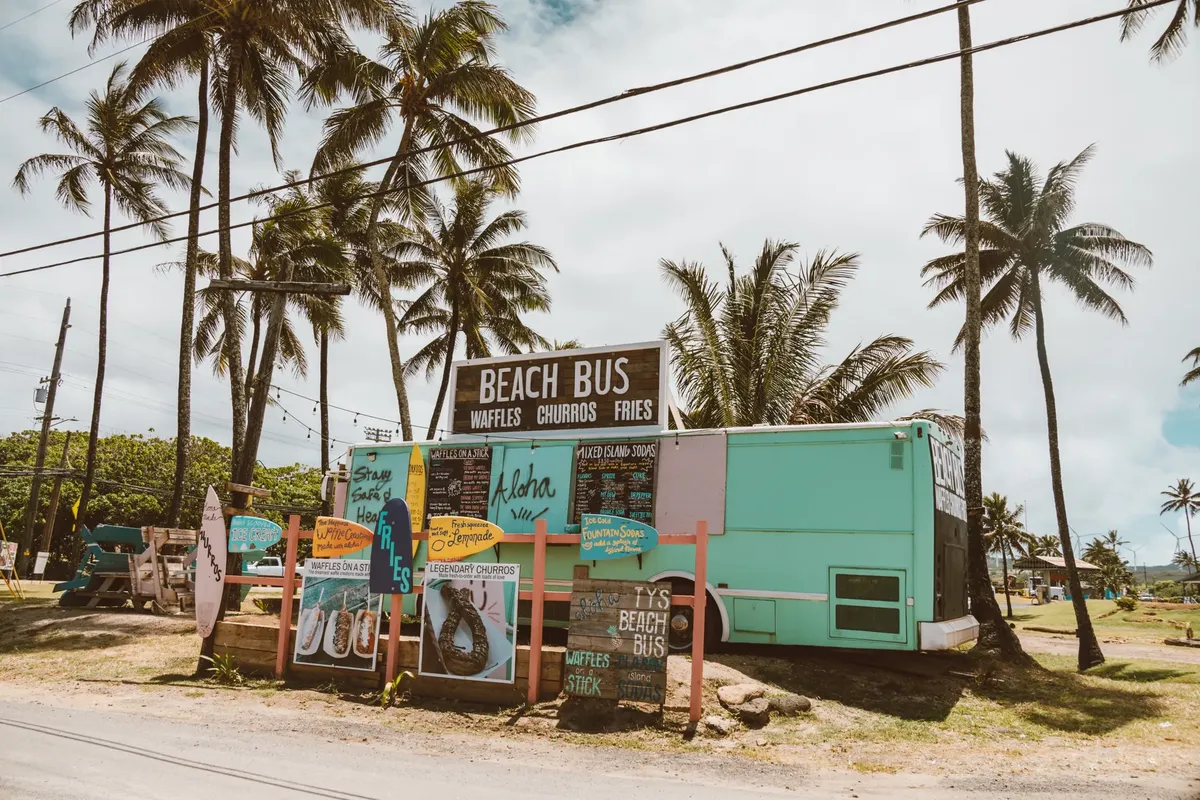
- Establishing a successful Hawaii workation requires balancing professional responsibilities with local lifestyle integration.
- Key takeaways include managing internet reliability, understanding regional income levels, and respecting local community dynamics.
- Ensuring a steady connection is vital for uninterrupted productivity.
The subject here is Hawaii workation local life.
The same subject is also called Daily life in Hawaii.
The same subject is also called Local culture tips.
The same subject is also called Eating like a local.
The same subject is also called Making local friends.
This part also covers Navigating local customs.
This part also covers Finding authentic food.
Related
- Hawaii surfing guide: Understanding ocean motion and gravity
- Respecting island ways: Hawaii workation local culture
What are the primary considerations for a successful workation?
The successful workation hinges on balancing professional duties with the unique lifestyle of the chosen location. This balance requires acknowledging the digital infrastructure, the local economic realities, and the cultural sensitivities of the host community.
- The laptop rests on the table, symbolizing the blend of work and leisure. 2. Ensuring a stable connection addresses the digital requirement. 3. Budgeting addresses the economic integration aspect. 4. Respecting customs addresses the cultural nuance.
How does the scale of the U.S. affect travel planning?
The sheer size of the territory mandates meticulous logistical sequencing when moving between work sites. The vastness means that travel times between locations can substantially influence the productivity schedule.
- The country spans between 3,717,813 and 3,809,525 square miles. 2. This scale dictates that travel between distant points requires considerable advance scheduling. 3. The laptop rests on the table, ready for work upon arrival at the new location.




Comments 0