Hawaii Workation: Realistic Costs for Your 1-Month Stay
"I stared at my laptop screen in a Waikiki cafe, the scent of salt air mixing with roasted coffee, wondering if I could actually afford to stay another month."
If you are dreaming of swapping your office cubicle for a view of Diamond Head, you need more than just a plane ticket; you need a realistic financial roadmap.
Transitioning from a tourist to a long-term resident or "workationer" requires a fundamental shift in how you view spending, logistics, and daily life.
Key Takeaways * Achieving a sustainable budget requires distinguishing between tourist-rate spending and local-rate living. * Your choice of island will fundamentally dictate your monthly rent, transportation needs, and overall pace of life.
* Success in a long-term stay relies on balancing professional productivity with genuine cultural immersion. * Strategic timing during shoulder seasons can significantly lower your barrier to entry.

How Much Does It *Really* Cost to Live in Hawaii?
I remember sitting in a small studio in Kakaʻako at 7:00 PM, looking at a stack of utility bills and a grocery receipt, trying to reconcile my "vacation budget" with my "reality budget." The numbers were starkly different.
In that moment, the reality of living versus visiting hit me harder than the humidity.
According to the World Bank, the United States recorded inflation of 2.9% in 2024. While that is a national figure, the localized cost of living in the islands can feel much sharper.
The biggest variable is accommodation. In tourist hubs like Waikiki, you might see nightly rates that look manageable, but transitioning to a monthly lease changes the math entirely. Short-term rentals often carry heavy occupancy taxes that can inflate your base cost by 10% to 18% overnight.
For a true workation, you should look for monthly furnished rentals or long-term leases in residential neighborhoods to avoid these predatory tourist premiums.
Food costs follow a similar split. If you eat at high-end restaurants in Lahaina or Waikiki every night, your budget will collapse within a week. However, shopping at local markets and utilizing the "plate lunch" culture can keep costs manageable.
You must account for the "island tax"—the fact that almost everything, from milk to electronics, is more expensive due to shipping costs.
Utilities and hidden fees are the silent budget killers. In Hawaii, electricity costs can be significantly higher than on the mainland due to the reliance on imported fuels. High-output air conditioning usage in the summer can double your monthly bill.
Always ask potential landlords about average utility costs before signing a lease.
| Expense Category | Tourist Mode (Weekly) | Workation Mode (Monthly) |
|---|---|---|
| Accommodation | High (Hotel/Airbnb) | Moderate (Monthly Lease/Studio) |
| Food | High (Dining Out) | Balanced (Groceries + Local Eats) |
| Transport | High (Daily Car Rental) | Moderate (Used Car/Local Transit) |
| Utilities | Included in Room | Separate & High |
But having the money is only half the battle; you also have to decide where you actually belong.
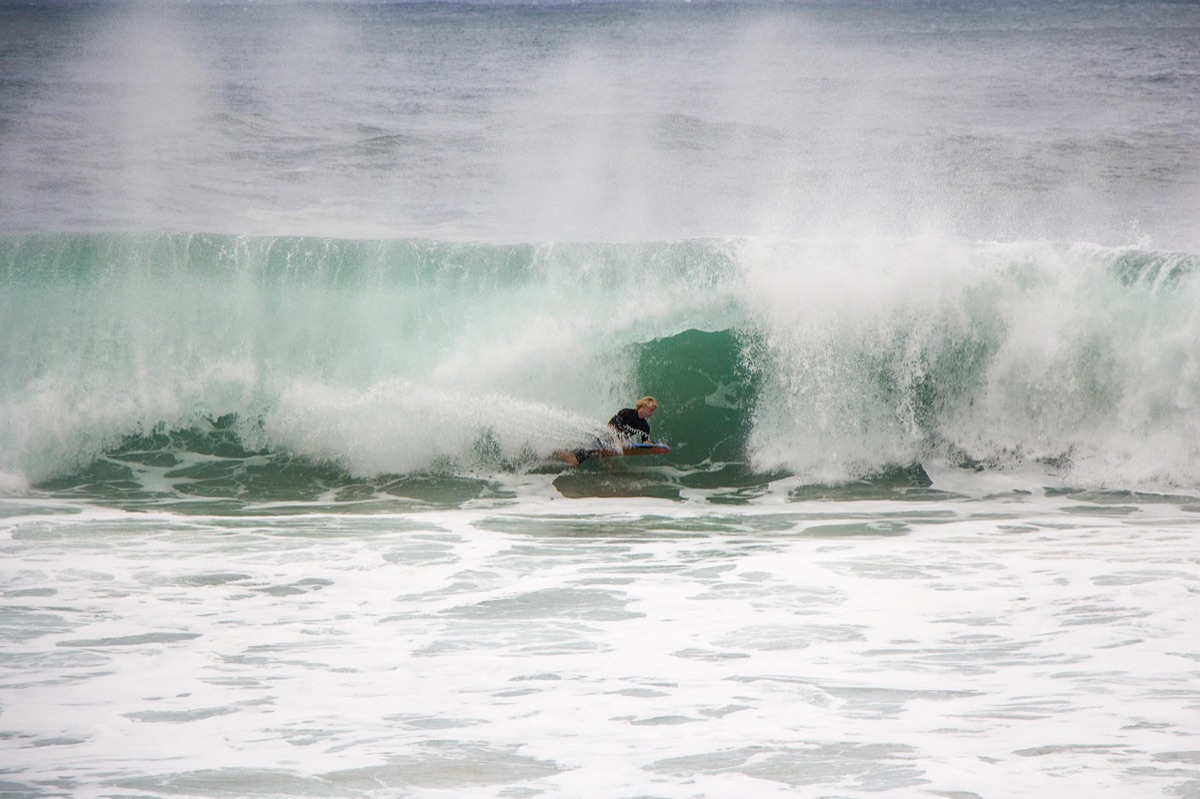
Choosing Your Base: Which Island Fits Your Lifestyle?
Walking through the bustling streets of Honolulu in the midday heat, I felt the electric energy of a city that never truly sleeps, a far cry from the quiet, misty mornings I experienced on Kauai. The choice of an island isn't just about scenery; it is about your daily workflow.
Oahu is the logical choice for most workationers. It offers the highest density of professional amenities, reliable high-speed internet, and diverse housing options.
While the cost of living is high, the ability to use public transit (TheBus) and the sheer variety of food and services make it the most functional hub for remote workers.
Maui offers a different rhythm. It provides a beautiful balance between accessibility and a more relaxed, vacation-like atmosphere. It is a popular choice for mid-term stays, though finding affordable long-term housing can be more challenging than on Oahu.
The cost of living tends to sit in the middle of the spectrum.
The Big Island provides a unique, volcanic contrast. Because of its massive size, rental dynamics vary wildly depending on whether you are in the sunny Kona side or the cooler, wetter Hilo side.
It often offers more space for your dollar, but you will almost certainly need a reliable vehicle to navigate the distances.
Kauai is the sanctuary. It is perfect for those seeking deep immersion and a much slower pace of life. However, the logistical challenges are real. The infrastructure is smaller, and the cost of goods can be higher due to the remote nature of the island.
It is a place for those who want to disconnect from the grind and reconnect with nature.
Choosing an island is easy, but setting up your life there is where the friction begins.
Making Your Stay Seamless: How Do You Actually Set Up?
I spent my first Tuesday in Hawaii staring at a router in a dim corner of my rental, praying the signal would reach my desk through the thickly built coastal walls. It was a frustrating reminder that "scenic" does not always mean "functional."
To avoid the chaos of your first week, follow this checklist:
- Verify Connectivity: Before signing any lease, test the internet speed personally. Do not rely on a landlord's word; use a speed test app on your laptop.
- Secure Transportation: In most parts of the islands, a car is not a luxury; it is a necessity. In Oahu, check TheBus routes, but for other islands, budget for a reliable used vehicle or a monthly rental.
- Set Up a Workspace: Ensure your rental has a dedicated table or desk. Working from a bed or a couch is not sustainable for long-term productivity.
- Establish a Grocery Routine: Find your local supermarket and farmers' market immediately to understand the weekly food cost.
- Check Utility Limits: Confirm if electricity is included in your rent, as high AC usage can lead to massive unexpected bills.
Transportation is a non-negotiable reality. In most parts of the islands, a car is not a luxury; it is a necessity for grocery runs, commuting, and exploring. Do not assume you can rely solely on rideshare services for a month of living.
Your work setup is the backbone of a successful workation. High-speed, reliable internet is non-negotiable. In some older buildings or remote areas, cellular data might be your only backup, so check coverage maps.
Integrating into the community is what turns a "trip" into a "stay." This transition from outsider to resident happens through small, consistent interactions.
But how do you move from being a visitor to feeling like you actually live there?
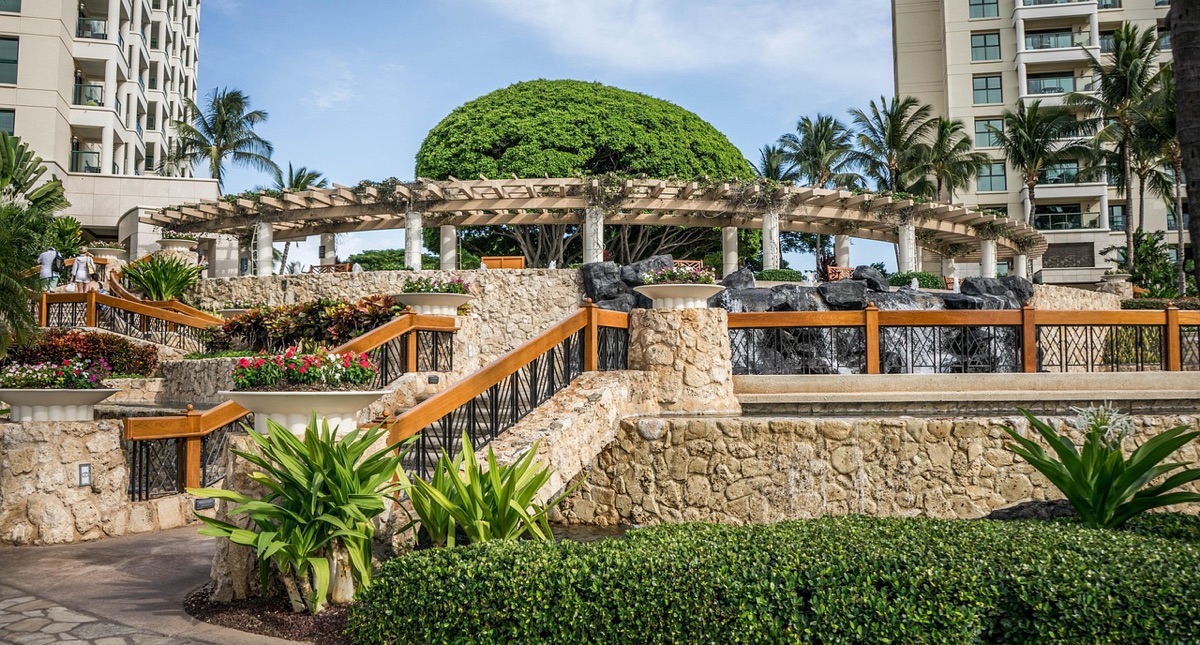
Beyond Tourism: How Do You Find Authenticity?
Sitting on a plastic stool at a roadside stand at 12:30 PM, eating a plate of kalua pork and rice, I realized I had spent more money and had more fun than at any five-star resort. The transition from tourist to resident happens at the dinner table.
To live affordably, you must learn to dine like a local. Skip the tourist-trap restaurants with ocean views and look for local haunts. Plate lunches—comprising a protein, two scoops of rice, and macaroni salad—are the staple of the islands and provide a filling, relatively inexpensive meal.
Local markets and farmers' markets are your best friends for fresh, seasonal produce.
Understanding the cultural rhythm is vital. Life in Hawaii often moves at a different cadence. There are community events, religious observances, and local traditions that dictate the flow of the week.
Observing these patterns helps you understand when to push through work and when to embrace the slower pace of the community.
For those on different types of trips, sequencing is key. A honeymooner might prioritize luxury stays and guided tours, while a focused worker might prioritize a quiet studio and proximity to a coworking space. A family will need to prioritize space and proximity to parks or beaches.
Tailor your itinerary to your primary goal to avoid "vacation fatigue."
Being a responsible resident means leaving the environment as beautiful as you found it. Adhering to reef-safe sunscreen practices and minimizing single-use plastics is not just a suggestion; it is a way of respecting the ecosystem that sustains the islands.
However, even the best plans can be derailed by the weather.
Timing Your Visit: When is the Sweet Spot?
I watched the heavy rains hit the North Shore in November, realizing that my "perfect weather" plan had hit a seasonal reality check. The clouds can change your entire budget and mood in an instant.
The timing of your arrival significantly affects your budget. High season (typically during winter holidays and summer breaks) sees a massive spike in rental prices and limited availability.
Planning your stay during the "shoulder seasons"—the periods between peak and off-peak—can offer the best balance of manageable prices and pleasant weather.
Weather patterns also play a role. Hawaii has wet and dry seasons that vary by island. For example, the windward sides of islands may experience much higher rainfall during certain months.
Understanding these patterns is crucial for planning outdoor activities and deciding which side of an island to base yourself on.
The advantage of the shoulder season is twofold: you get better deals on flights and accommodations, and you avoid the heaviest crowds. This allows for a more authentic experience and easier access to popular spots.
Advance booking is your best strategy. Even during the shoulder season, popular rentals and car agencies can fill up. Secure your primary accommodation and transportation well in advance to lock in reasonable rates and ensure you have the infrastructure you need to work effectively.






Comments 0