Maui hidden gems guide: How to explore Maui nature spots
"The beauty of the islands lies not just in the visible horizon, but in the delicate balance between scientific progress and cultural preservation."
Exploring Maui requires understanding the intersection of natural wonders and the evolving management of its most sacred peaks.
This guide helps travelers navigate the island's diverse landscapes, from coastal retreats to the high-altitude observatories, while acknowledging the shifting governance of Mauna Kea. You should prepare for changing access regulations and respect local stewardship protocols. 1. Understand the transition of Mauna Kea management. 2. Recognize the impact of international tourism trends. 3. Plan routes that respect cultural and scientific boundaries.
How can I navigate the Maui hidden gems guide?
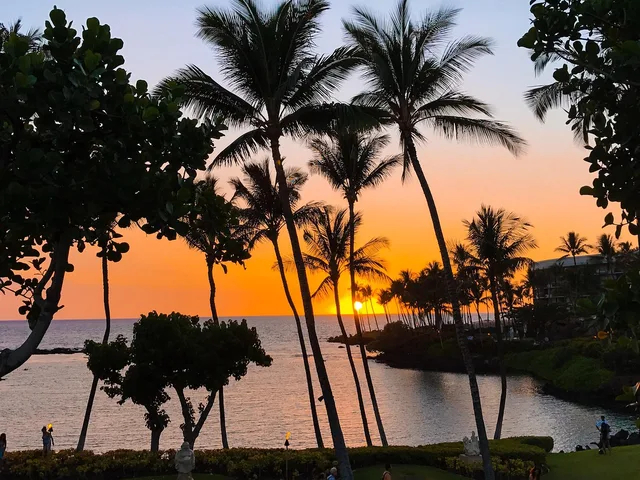
At sunset, I trace my finger along the dusty map while feeling the warm breeze of the Maui trails.
Walking along a dusty trail near the volcanic slopes, the scent of dry brush fills the air as the sun begins to dip. A traveler looks toward the horizon, seeking paths that lead away from the crowded resort corridors toward more secluded natural features.
Finding these spots requires careful planning and an awareness of local land use.
A Maui hidden gems guide focuses on finding balance between high-traffic beaches and the quiet, rugged interior of the island. Many visitors seek the coastline, but the true essence of the island often resides in the transition zones between the sea and the mountains.
Following established paths ensures that these delicate ecosystems remain undisturbed for future generations.
Where are the best nature spots in Maui?
I stand in the lush valley during the morning mist and feel the cool spray against my skin near the Maui waterfalls.
Standing at the edge of a lush valley, the sound of distant waterfalls creates a rhythmic backdrop to the morning mist. A hiker adjusts their gear, looking at a map to ensure they stay within the designated conservation areas.
The landscape changes rapidly from tropical greenery to stark, volcanic rock.
Identifying the best Maui attractions involves choosing between ocean-based activities and mountain exploration. While many flock to the shore, the high-altitude regions offer a different perspective on the Pacific.
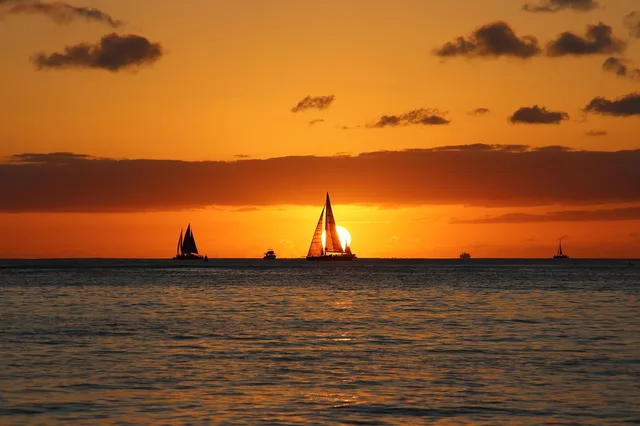
Travelers should prioritize sites that emphasize environmental education and cultural respect.
How should I plan a Maui travel itinerary?
Sitting in a local cafe with a notebook open, a traveler marks different regions on a map to minimize driving time. The morning is spent planning coastal visits, while the afternoon is dedicated to researching mountain access.
A well-structured plan prevents exhaustion and maximizes time spent in nature.
A Maui travel itinerary should account for the significant distances between the island's diverse microclimates. It is wise to group activities by geographic proximity, such as focusing on the West Maui Mountains one day and the Haleakalā region another.
This approach allows for a more immersive experience in each specific environment.
Where can I find science-related sites in Maui?
Looking up at a clear night sky, a researcher observes the stars through a telescope, feeling the chill of the high-altitude air. The massive structures of the observatories stand as monuments to human curiosity against the dark backdrop of the cosmos.
This area represents a unique intersection of science and tradition.
For those interested in the intersection of technology and nature, the top Maui sightseeing spots include the astronomical facilities on the nearby peaks. These sites are subject to significant administrative changes.
According to Wikipedia, after a joint transition period from 2023 to 2028, control will shift to the new Mauna Kea Stewardship and Oversight Authority, which will include representatives from the University, astronomers, and native Hawaiians.
Can I explore the Maui nature spots near the observatories?
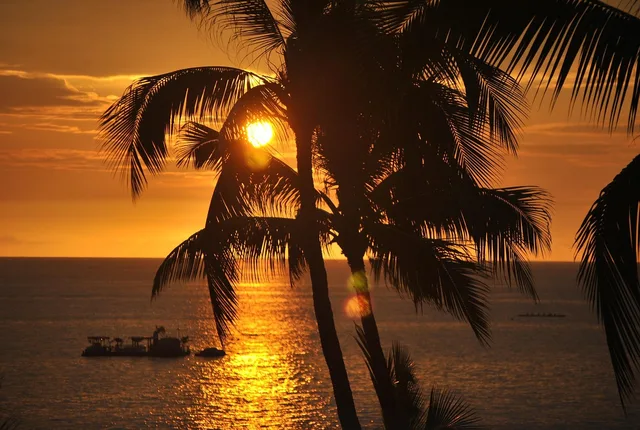
Driving up a winding mountain road, the temperature drops steadily as the clouds move closer to the vehicle. A driver grips the steering wheel, watching the landscape transform from tropical forest to alpine desert. The sense of isolation is palpable as the heights increase.
Exploring Maui nature spots near the high-altitude observatories requires preparation for rapid weather shifts. These areas are often subject to strict access rules to protect both the scientific equipment and the cultural sanctity of the land.
Visitors must check current regulations regarding the Mauna Kea region before attempting any high-altitude excursions.
What is the Maui scenic route tour experience like?
Glancing out the window of a moving car, the view shifts from crashing waves to sweeping green valleys in a matter of minutes. The road curves sharply, revealing new vistas of the Pacific Ocean at every turn. The sensation of movement through different worlds is a hallmark of island travel.
A Maui scenic route tour allows travelers to witness the dramatic geological history of the island. By following the coastal highways and mountain passes, one can see the contrast between the lush windward sides and the drier leeward sides.
This visual journey provides a deep understanding of how geography dictates the island's life.
Comparison of Tourism and Scientific Landscape
| Category | Contextual Detail |
|---|---|
| US International Arrivals (2020) | 45,037,000 |
| Mauna Kea Transition Period | 2023–2028 |
I compared the scale of international travel to the specific timeline of local administrative shifts to understand the island's changing landscape.
Managing a Visit to High-Altitude Regions
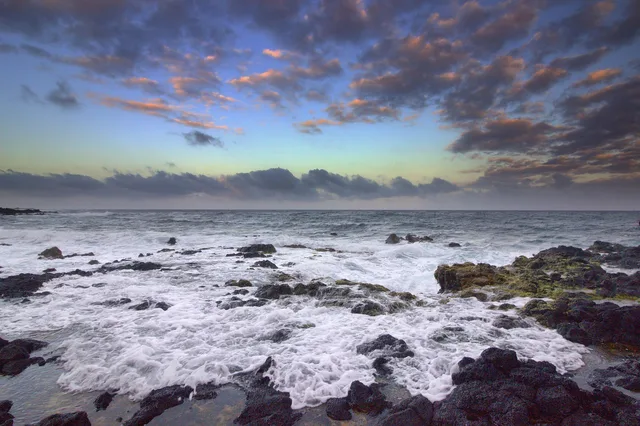
When visiting the sensitive volcanic regions, follow these steps to ensure a responsible trip:
- Verify current access permissions through the official stewardship authority. 2. Pack sufficient clothing for extreme temperature fluctuations. 3. Carry all waste out of the protected areas to maintain ecological integrity.
Perform a final check of your vehicle's supplies and your physical readiness for the altitude before beginning the ascent.
Limitations of Island Exploration
The scope of this exploration is limited to the geological and administrative aspects of the region, and it does not account for real-time weather-related closures.
This part also covers Maui vs Oahu comparison.
This part also covers Maui island nature guide.
Related



Comments 0