North Shore Surfing & Whale Watching: Winter's Hawaiian Draw
"Escaping the frost for a slice of tropical warmth is the greatest gift the islands can offer."
Traveling to Hawaii during the winter months isn't just about dodging a snowstorm; it is about witnessing a seasonal transformation where massive swells meet migrating giants. Depending on whether you want to surf or soak, your perfect island itinerary changes with the thermometer.
* Best Timing: Visiting between December and February offers warm daytime temperatures and legendary North Shore swells. * Weather Patterns: While generally mild, winter brings intermittent rain and stronger winds that can shift the local humidity. * Pro Tip: Prioritize Oahu's North Shore for world-class surfing or Maui for prime whale-watching opportunities.
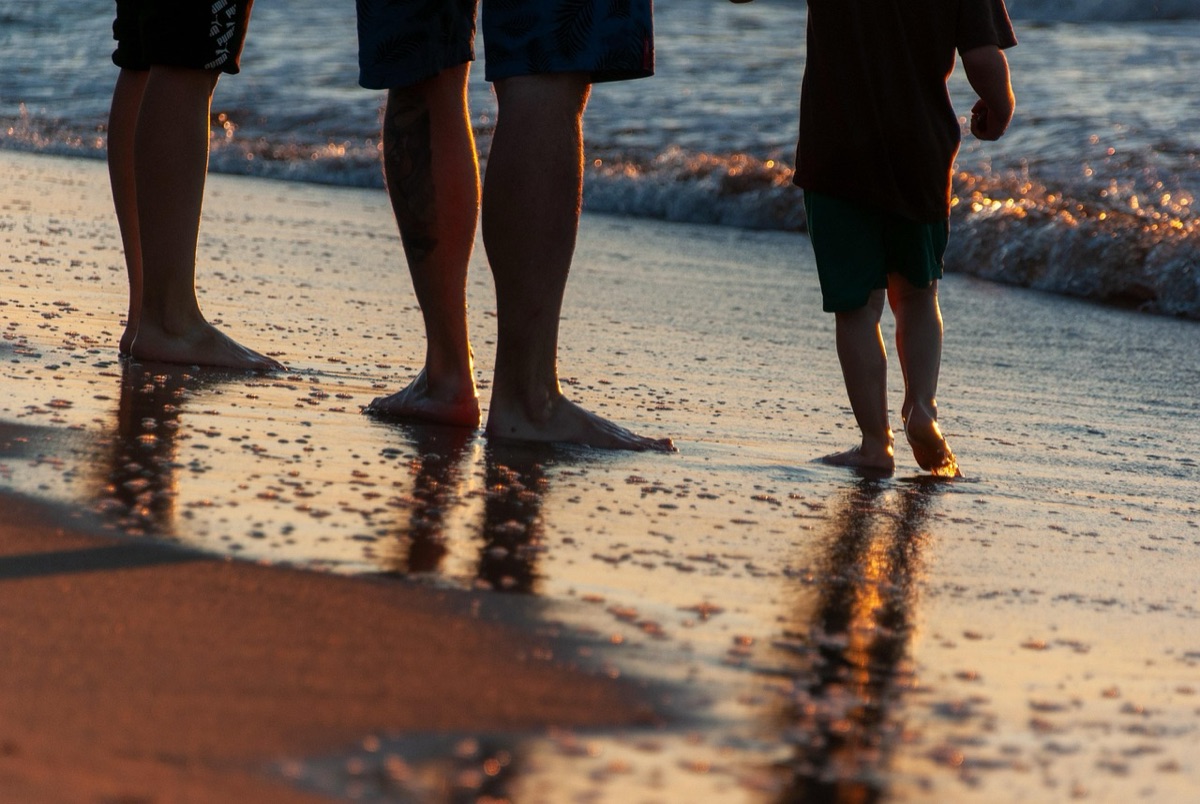
Why is a Hawaiian winter so special?
Standing on a breezy balcony at 7:00 AM, clutching a steaming cup of Kona coffee while watching the mist roll over the mountains, you realize this isn't the summer you expected. The air feels different—crisper, cleaner, and charged with a sense of movement.
While Hawaii is famous for year-round warmth, the winter months bring a distinct energy. Cold air from the North Pacific pushes toward the islands, creating powerful, heavy swells on the northern coasts.
For surfers, this is a seasonal festival; for everyone else, it is a front-row seat to the raw power of the ocean.
This period also marks a profound biological shift. Humpback whales migrate through these waters seeking warmth, turning the ocean into a theater of natural drama. It is not merely a substitute for a summer vacation; it is a unique window into a living, breathing ecosystem.
Because these changes vary by island, choosing your destination requires a bit of strategy.
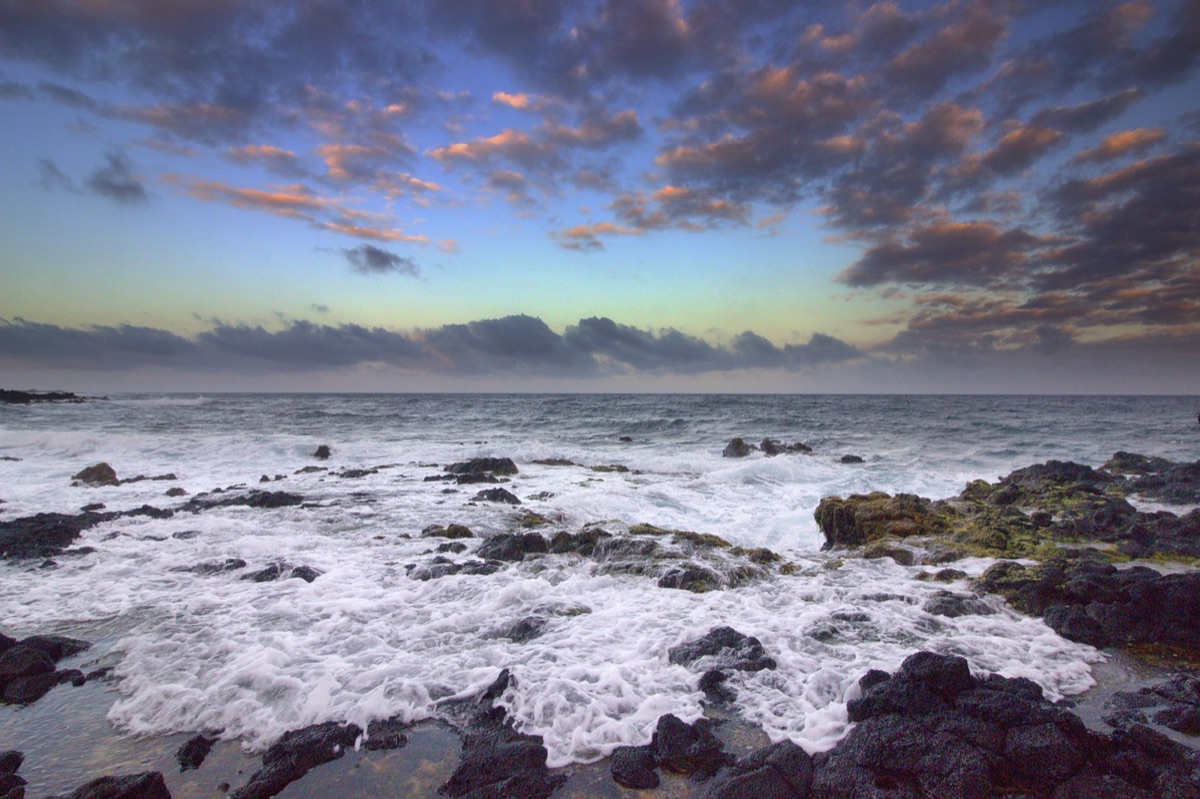
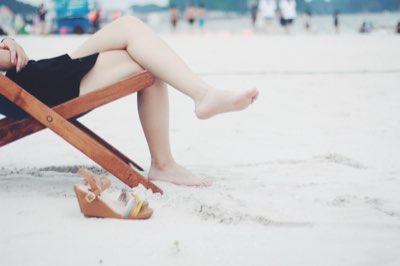
When is the best time to visit for the weather? Sitting on a lounge chair at Waikiki Beach, you might wonder if it is actually winter at all. However, when a sudden gust of wind kicks up or the humidity shifts, the seasonal transition becomes undeniable.
In Hawaii, "winter" typically spans from December to February. During these months, daytime temperatures often hover around a pleasant 75 degrees, though nighttime dips can make a light jacket necessary.
Your specific travel goals will dictate your best timing:
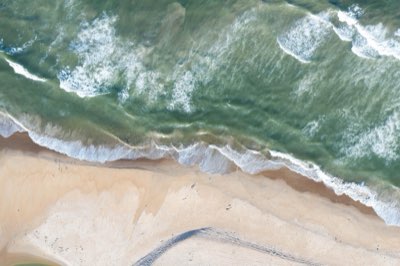
- For Surfing and Big Waves: From December to February, the North Shore of Oahu becomes a playground for professional surfers due to massive swells.
- For Whale Watching: The migration window runs from December through April, with the highest sightings often occurring near Maui.
- For Low Humidity: Winter often provides slightly lower humidity levels than the summer months, making outdoor trekking more comfortable.
Keep in mind that winter can bring intermittent rain due to trade winds, so having a flexible itinerary is essential to catch those clear, sunny windows.
But how do these weather patterns differ when you hop between islands?
Which island should I choose for a winter getaway? Peering through a plane window at a patchwork of clouds and volcanic peaks, you start to see how much the geography dictates the climate. One island might be draped in mist while another stays bone-dry.
The major islands experience vastly different winter conditions based on their unique terrain. Understanding these nuances helps you avoid wasting time on a rainy trek or a freezing morning.
| Feature | Oahu | Maui | Big Island |
|---|---|---|---|
| Primary Vibe | Urban meets nature; massive waves | Whale watching; luxury relaxation | Volcanic landscapes; extreme altitudes |
| Winter Weather | Heavy swells on the North Shore | Pleasant humidity; great for viewing | High altitudes can be very cold |
| Top Activity | North Shore surfing spectating | Whale watching tours | Stargazing on Mauna Kea |
* Oahu: The North Shore becomes incredibly dynamic in winter. If you are walking the beach, stay well back from the water to avoid being caught by rogue surges. * Maui: This is the premier basecamp for whale watching. While the coast stays warm, the summit of Haleakala requires serious warmth. * Big Island: While the coast is tropical, high-altitude spots like Mauna Kea can experience freezing temperatures during the winter months.
With the weather in mind, how do you pack effectively?
Practical tips for a successful winter trip
Unpacking a suitcase and seeing a pile of sweaters might make you wonder if you overpacked for the tropics. However, the variability of a Hawaiian winter requires a bit of foresight.
To ensure your trip remains seamless, follow these practical guidelines:
- Master the Layered Look: Mornings and evenings—or even air-conditioned indoor spaces—can be chilly. Pack light layers like cardigans or hoodies that you can easily add or remove.
- Prepare for Rain: Brief, heavy showers are common. Keep a lightweight waterproof jacket or a compact umbrella handy to stay dry during sudden squalls.
- Maintain a Safe Distance: The winter swells on the North Shore are powerful and unpredictable. If you aren't a surfer, stay far away from the shoreline to avoid being pulled in by the undertow.
- Pack for High Altitudes: If your itinerary includes Haleakala or Mauna Kea, a light puffer jacket or a heavy fleece is non-negotiable.
These items aren't just extra weight in your luggage; they are tools to ensure a sudden rainstorm or a cold morning doesn't ruin your day.
Once you have your gear, it is time to look at potential routes.
Recommended itineraries for various travel styles
Driving a rental car along a winding coastal highway, you might notice the scenery changes entirely from one hour to the next. The unpredictability of winter is part of the adventure.
Here are three ways to structure your time:
* Option A: The Adventure Seeker (Oahu) * Morning: Watch the massive swells at the North Shore. * Afternoon: Visit the Dole Plantation or join a local food tour. * Evening: Enjoy the vibrant nightlife in Waikiki. * Option B: The Relaxation Specialist (Maui) * Dawn: Watch the sunrise at Haleakala National Park (bring heavy layers!). * Afternoon: Wander through Lahaina or join a whale-watching boat tour. * Evening: Indulge in a seaside dinner at a luxury resort. * Option C: The Nature Explorer (Big Island) * Morning: Trek through Volcanoes National Park. * Afternoon: Explore the unique volcanic landscapes of Kilauea. * Night: Take a guided stargazing tour on Mauna Kea.
Always remain flexible. If a heavy rainstorm hits, swap your outdoor trek for a museum visit or a local shopping excursion.
But how do you capture these moments forever?
Best spots for photography and views
Looking through a camera lens, you might notice that the winter light in Hawaii has a different depth than in the summer. The angles of the sun and the clarity of the air can create much more dramatic shots.
To make the most of your photography, target these specific conditions:
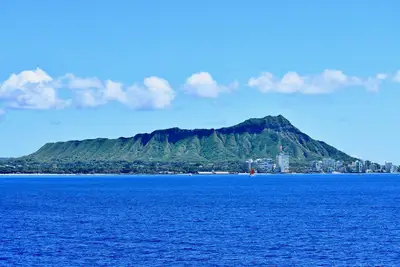
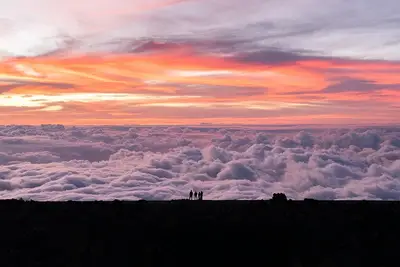
* North Shore Breakers: If you want to capture the sheer scale of the ocean, a telephoto lens is your best friend. The massive winter waves provide a spectacle you won't see in July. * Haleakala Sunrises: The cold, crisp air of a winter morning often results in clearer skies, creating intense, vibrant colors as the sun breaks over the clouds. * Coastal Silhouettes: On days with moderate humidity, the silhouettes of the islands against the horizon make for stunning, atmospheric photography.
Always keep an eye on the weather and protect your gear from salt spray and sudden humidity changes.
To wrap things up, let's look at common questions.


Comments 0