Hawaii Travel Guide: Book 3-6 Months Ahead for Best Rates
"The difference between a good vacation and a life-changing adventure often comes down to how you navigate the terrain and where you lay your head at night."
To truly experience the islands, you must match your transportation to the specific geography of your destination and your lodging to your travel goals. Planning these elements 3–6 months in advance is essential to avoid skyrocketing costs and logistical headaches.
* Transportation Strategy: Renting a car is non-negotiable for the outer islands, while ridesharing works well in urban hubs. * Lodging Strategy: Choose Waikiki for shopping and dining, but look to coastal outskirts for nature and relaxation. * Timing is Everything: Booking 3–6 months ahead helps secure better rates for both vehicles and popular resorts during peak seasons.

What is the morning vibe like in Waikiki and how busy are the roads?
In the early morning of a summer day in 2026, you stand in a high-rise hotel lobby in Waikiki, the cool air conditioning clashing with the rising heat outside. You watch as travelers struggle with oversized suitcases, eyes darting between Google Maps and the bustling street below.
Shuttles, taxis, and tour buses weave through a constant stream of traffic as the sun begins to bake the pavement.
Hawaii is an island state located in the Pacific Ocean, roughly 2,000 miles southwest of the U.S. mainland. Because the islands feature such diverse and vast geography, simply landing in the state is only the beginning; you must decide how you will move between vastly different landscapes.
With an ocean coastline spanning approximately 750 miles, failing to plan your transit can result in spending more time in traffic than on the beach.
Your choice of transport and lodging isn't just about convenience—it defines the theme of your trip. You might choose a rugged rental car to chase sunsets on winding coastal roads, or you might rely on local transit to blend into the community.
However, setting a transportation method is only half the battle.
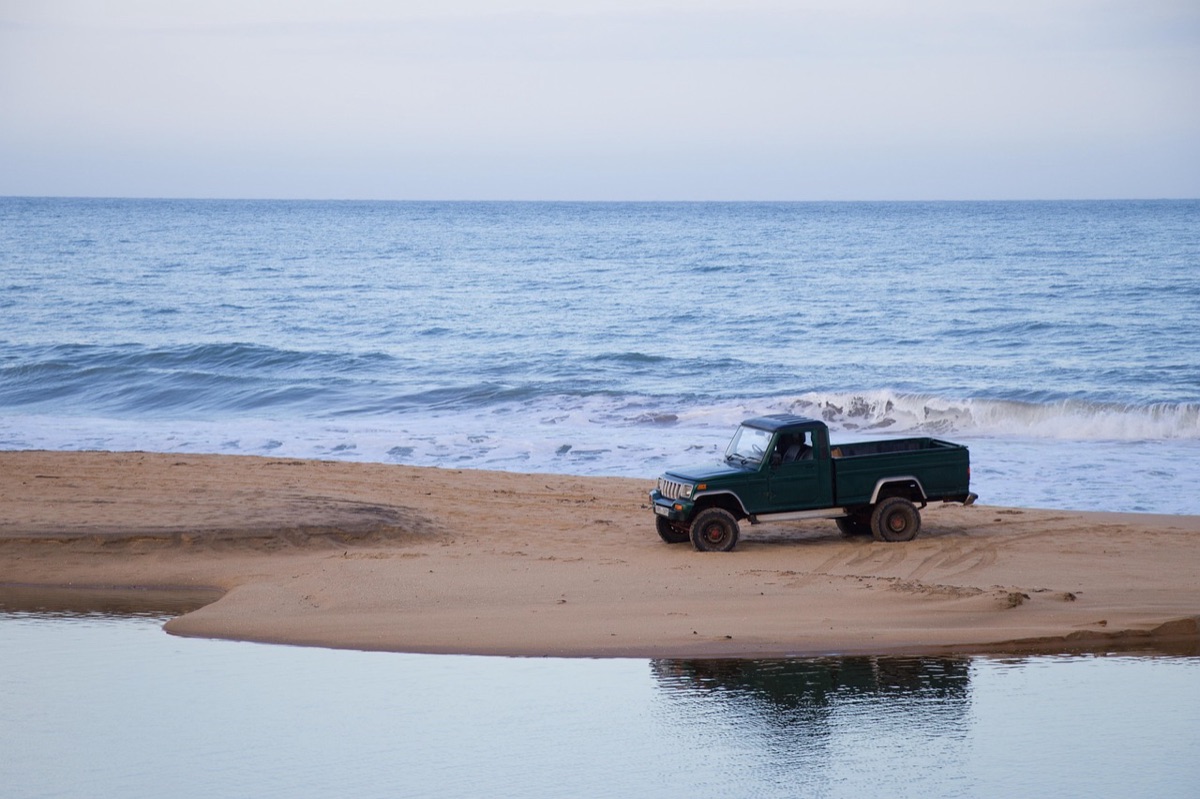
Should you choose a rental car or public transit?
Sitting at a desk with a laptop open in late 2025, you stare at various rental agency websites, feeling the weight of a dozen different decisions. You find yourself weighing insurance coverage, vehicle size, and the hidden sting of daily parking fees.
Transportation in Hawaii generally falls into three categories: rental cars, ridesharing (Uber/Lyft), and public transit. The efficiency of each depends entirely on which island you are visiting.
1. Rental Cars: The Key to Exploration If you are visiting Maui, the Big Island, or Kauai, a rental car is a necessity rather than a luxury. To reach famous lookouts, hidden waterfalls, or remote beaches, you need your own wheels.
On the Big Island, where the landmass is particularly vast, traveling without a vehicle is nearly impossible.
2. Ridesharing: The Urban Lifesaver In the Waikiki area of Oahu, using Uber or Lyft is often the most practical choice for short distances or when you want to enjoy a cocktail at dinner without worrying about a designated driver. It eliminates the headache of finding parking in crowded areas.
3. Public Transit: The Budget Option On Oahu, "TheBus" provides a well-established transit system. While it is a very affordable way to reach various parts of the island, it can be time-consuming due to longer routes and infrequent schedules.
| Category | Recommended Island | Pros | Cons |
|---|---|---|---|
| Rental Car | Big Island, Maui, Kauai | Total freedom, access to remote spots | High cost, parking issues, driving stress |
| Ridesharing | Oahu (Waikiki Center) | Convenience, no parking worries | Costs spike during long-distance trips |
| Public Transit | Oahu | Extremely low cost | Slow travel time, complex routes |
Once you have decided how you will move, you must decide where you will stay. If your lodging is in the wrong place, your freedom of movement can quickly turn into a source of stress.
Where should you stay to make the most of your trip?
The excitement of receiving your room key at the check-in desk is a universal travel feeling. Yet, that excitement can vanish instantly if you open the curtains only to find a concrete wall instead of the ocean view you expected.
Lodging generally falls into two categories: activity-centered or relaxation-centered.
1. Waikiki: The Urban Oasis As the heart of Oahu, Waikiki offers immediate access to shopping, dining, and the beach. It is a place where you can easily survive without a car. However, be prepared for city noise and large crowds of tourists.
2. Ko Olina: The Family Paradise Located on the western side of Oahu, this area is home to luxury resorts and calm, man-made lagoons. It is an ideal setting for families with young children who need safe, controlled swimming environments.
3. Coastal Outskirts: Immersive Nature Areas like Kaanapali on Maui or the Kona coast on the Big Island offer expansive ocean views and a sense of privacy. If your goal is to escape the hustle and bustle and truly connect with nature, these outlying resorts are the better choice.
While location is vital, the actual cost and safety of your stay are equally important. What specific details should you be looking for?
Essential tips for using a rental car in Hawaii
Under the intense glare of the midday sun in 2026, you stand next to your rental car, carefully circling the exterior with your smartphone camera. You want to document every tiny scratch to ensure you aren't blamed for pre-existing damage when you return the vehicle.
Here are specific things to keep in mind when renting a car in Hawaii:
- Prioritize Comprehensive Insurance: Roads in Hawaii can be winding and unfamiliar to visitors. To mitigate the financial risk of an accident, full coverage insurance is highly recommended.
- Don't Ignore Parking Fees: Many hotels in Waikiki charge a separate daily parking fee on top of the room rate. These fees can often exceed $40 to $60 per night, so always check the hotel's parking policy before booking.
- Secure Your Valuables: Never leave bags or expensive items visible inside a parked car. "Smash and grab" thefts can occur, so it is a best practice to keep all belongings in the trunk.
- Navigation and Data: Ensure you have a reliable data plan for real-time navigation via smartphone, or confirm if the rental vehicle includes a built-in GPS system.
With these tips in mind, you can begin to pair your transportation with your lodging for the perfect trip.

The golden rule of combining lodging and transport
The way you combine your vehicle and your stay should depend entirely on your travel purpose. If your objective is unclear, you will likely end up with higher costs and increased fatigue.
Recommended Combinations by Scenario
- Honeymoon/Couples (Romantic & Luxury)
- * Combination: Rental car on Maui or Big Island + Luxury Resort
- * Reason: This allows for scenic drives and private time in high-end accommodations.
- Family Vacations (Convenience & Safety)
- * Combination: Ko Olina or Waikiki lodging + Large SUV or Minivan
- * Reason: Families need extra space for luggage and children, and these areas provide the necessary infrastructure for easy movement.
- Solo Travelers/Workations (Efficiency & Local Experience)
- * Combination: Waikiki lodging + Ridesharing/Public Transit
- * Reason: This keeps costs manageable while allowing for flexible movement when needed.
Once you have found your ideal combination, you must perform a final check to ensure nothing has been overlooked.
A final checklist for your journey
As you zip up your suitcase and look over your list one last time in 2026, the reality of the upcoming trip finally sets in. A final verification is necessary to prevent last-minute panic.
- Driver's License: It is wise to carry both your domestic license and an international driving permit if required.
- Credit Card: You will need a credit card in your own name to cover rental car security deposits.
- Booking Confirmations: Keep digital or printed copies of your hotel and car rental confirmations easily accessible.
- Sun Protection: High-SPF sunscreen and polarized sunglasses are non-negotiable due to the intense UV index.
With this checklist, you can step into the Hawaiian sun with confidence.








Comments 0