Planning Your Dream Hawaii Vacation: 1-Month Advance Booking
"The moment the waves tickle your toes, the true time of Hawaii begins."
To make the most of your Hawaiian getaway, you need to match your activities to the specific personality of each island while planning well in advance. Success lies in balancing adventure with environmental respect and local logistics.
* Island-Specific Planning: Choose surfing on Oahu, whale watching on Maui, or volcanic trekking on the Big Island. * Advanced Booking & Essentials: Reserve popular tours at least a month ahead and always pack reef-safe sunscreen. * Safety First: Always follow local guides and wear life jackets during water activities.
Why is everyone obsessed with Hawaiian adventures?
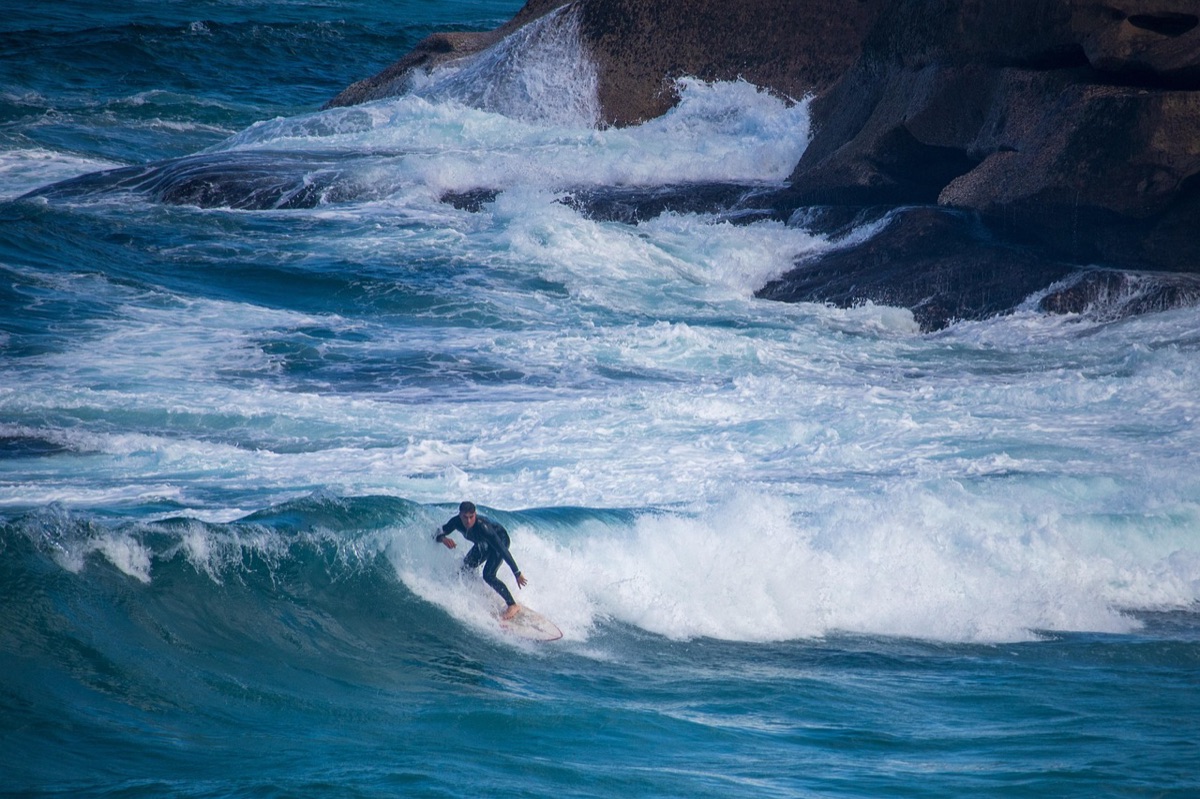
At 2:00 PM on a Tuesday in July 2026, the sun beats down on Waikiki Beach as surfers grab their boards and head toward the churning white water. The salty breeze mixes with the rhythmic roar of the Pacific, setting the stage for why this archipelago remains a global bucket-list destination.
Hawaii offers more than just pretty postcards; it provides a direct connection to the raw, kinetic energy of the earth. Because these are volcanic islands in the heart of the Pacific, the combination of unique geology and warm currents creates a playground for snorkeling, surfing, and diving.
Beyond the water, massive mountain ranges and lush rainforests provide the perfect backdrop for trekking and exploration.
These environments do more than provide entertainment; they foster a sense of humility in the face of nature's scale. An adventure in Hawaii isn't about conquering the elements, but rather about learning to move with their natural flow.
This unique philosophy of coexistence is exactly why travelers keep coming back.
Now, let's look at how to maximize the specific charms of each island.
How can you balance city energy and ocean waves on Oahu?
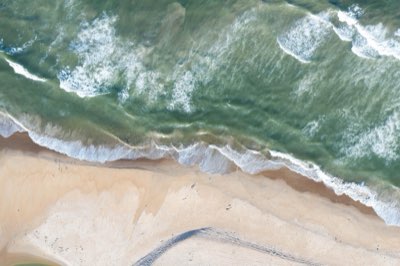
At 7:00 AM, the North Shore is quiet and powerful, with massive swells rolling in before the crowds arrive. Surfers stand on the sand, waxing their boards and watching the horizon, capturing the quintessential morning mood of Oahu.
As the gateway to the islands, Oahu offers a mix of urban convenience and wild nature, making it perfect for everyone from beginners to pros. For example, the gentle waves at Waikiki are a paradise for those taking their very first surfing lesson.
Conversely, the massive winter swells at the North Shore provide a legendary challenge for seasoned surfers.
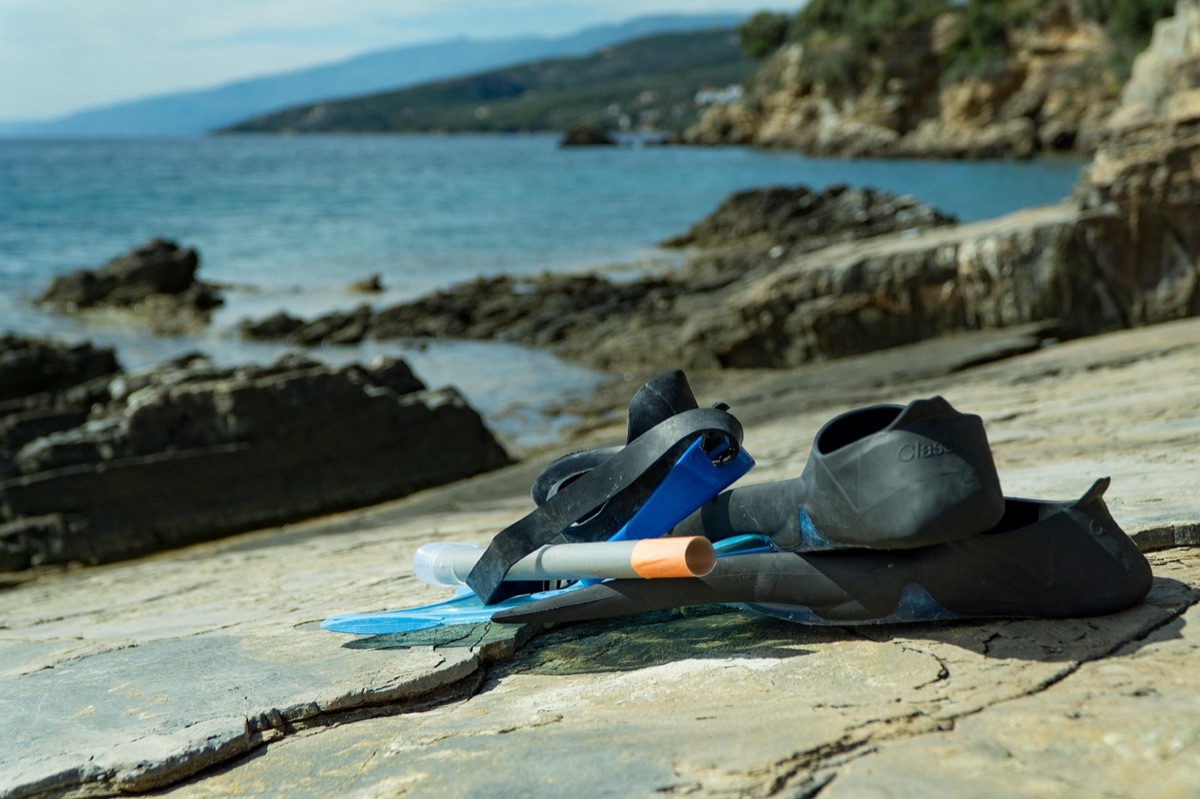
Snorkeling is another must-do. Hanauma Bay serves as a protected marine life conservation district, offering crystal-clear waters where you can swim alongside colorful tropical fish and sea turtles.
However, because visitor numbers are strictly limited to protect the reef, you must book your entry slot well in advance.
| Activity Type | Best For | Key Feature |
|---|---|---|
| Surfing Lessons | Beginners, Couples | Gentle waves at Waikiki Beach |
| Snorkeling Tours | Families, Friends | Rich marine life at Hanauma Bay |
| Helicopter Tours | Honeymooners, Sightseers | Aerial views of coastlines and waterfalls |
The beauty of Oahu is that you can enjoy a high-end meal in town and be on a rugged beach within an hour. Just remember that popular spots get crowded fast, so timing your arrivals is everything.
How do you face the majesty of nature on Maui and the Big Island?
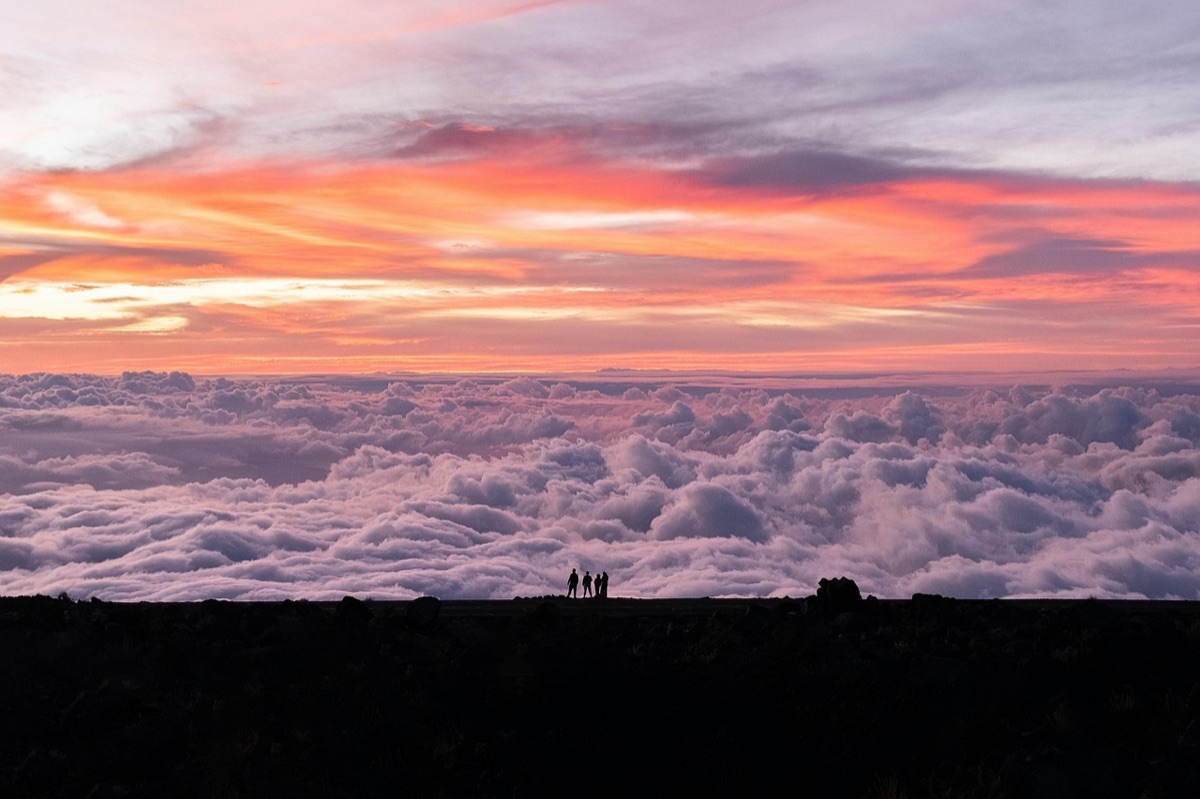
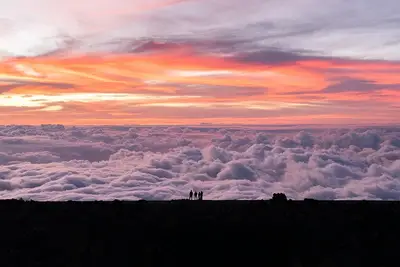
Standing at the summit of Haleakala National Park as the sun breaks through a blanket of clouds is a moment that leaves you breathless. The biting morning chill makes the warmth of the rising sun feel like a profound reward for the early wake-up call.
Maui is often celebrated for its diverse landscapes. A sunrise tour at Haleakala offers a surreal experience of walking above the clouds. During the winter months from December to April, whale watching becomes the island's main attraction.
Seeing a massive humpback whale breach the surface is a memory that stays with you forever.
In contrast, the Big Island offers a look at the living, breathing earth. Night tours near the Kilauea volcanic areas reveal a landscape of red lava glows and black volcanic ash.
The sight of the Milky Way stretching over volcanic craters makes you feel as though you have stepped onto another planet.
* Maui Tip: You must secure a vehicle reservation in advance to drive to the Haleakala summit for sunrise. * Big Island Tip: The volcanic terrain is rugged and uneven; always wear sturdy trekking shoes and carry plenty of water.
Because the islands have such distinct personalities, it is best to decide whether your goal is relaxation or high-octane adventure before you book your flights.
How to travel like a local: Tips and precautions
Sitting at a beachside shack, eating a fresh plate lunch, you start to see how locals interact with the environment. They don't just consume nature; they respect it as a living entity that they share space with.
To ensure your trip is successful, you need to follow a few practical rules. First is environmental protection. To protect the delicate coral reefs and marine life, you must use only "reef-safe" sunscreen.
Standard sunscreens containing certain chemicals can cause coral bleaching, damaging the very beauty you came to see.
Second, make booking a habit. Popular tours, especially helicopter excursions or specific snorkeling spots, often book up weeks or even months in advance. Third, always check the weather and tide charts.
Maritime activities are entirely dependent on the ocean's mood, so you must stay flexible and be ready to change your plans based on the daily forecast.
Finally, never skip safety gear. Conditions in the ocean can change in a heartbeat. Regardless of how strong a swimmer you think you are, do not hesitate to wear a life jacket during boat tours or in heavy currents.
| Checklist Item | What to Bring/Do | Reason |
|---|---|---|
| Sunscreen | Reef-safe certified | Protects coral ecosystems |
| Reservations | 2 weeks to 1 month in advance | Secures popular tours |
| Clothing | Functional gear & trekking shoes | Safety and comfort during activity |
Choosing the right gear for your specific activity is the first step toward a safe trip.
How to extend the magic: Connecting your tours
After a great tour, visiting a nearby hidden gem can add depth to your journey. The transition from one activity to the next can be a way to process the beauty you've just witnessed.
For example, if you spent your morning surfing on the North Shore of Oahu, head to a local spot for a fresh poke bowl to refuel. If you spent the morning whale watching on Maui, take a scenic drive along the coast to a quiet lookout point.
After a rugged trek on the Big Island, visiting a local coffee farm for a cup of fresh Kona coffee is the perfect way to unwind.
Here are three ways to structure your days:
- The Ocean Day: Morning snorkeling tour → Seafood plate lunch → Afternoon beach relaxation and sunset watching.
- The Adventure Day: Morning hiking/trekking → Afternoon helicopter or Jeep tour → Evening traditional Luau performance.
- The Wellness Day: Morning yoga or beach walk → Afternoon spa or massage → Evening coastal dining.
This structure helps you manage your energy levels so you don't burn out before your trip is over.
Capturing the moment: Tips for great photos
Sometimes, the view through a camera lens looks even more surreal than reality. Capturing these moments creates a visual diary of your travels.
The most important element in photography is light. Hawaii's "Golden Hour"—the period just after sunrise and just before sunset—bathes the landscape in a soft, honey-colored glow. Aim to be at a coastline or a scenic lookout during these times to get those perfect shots.
If you want to capture the energy of an activity, a wide-angle lens or an action camera is your best friend. A wide lens is great for capturing the scale of a massive wave or a vast volcanic field.
However, when photographing nature, try to include the vast background rather than just a close-up of a person; this helps convey the true scale of the Hawaiian landscape.
Just remember that no photo is worth a dangerous situation. Avoid climbing steep cliffs or standing on slippery rocks during heavy swells just to get a shot.





Comments 0