Hawaii workation guide: Tips for living in the islands
"The islands offer a unique blend of Pacific tradition and modern connectivity, making it a premier destination for those seeking a change of pace."
A Hawaii workation guide requires balancing professional productivity with the unique cultural landscape of the Pacific. This guide covers essential timing, cultural integration, and daily living tips for a smooth transition.
Key takeaways include understanding seasonal weather, recognizing linguistic nuances like Hawaiian Pidgin, and preparing for the unique geography of the islands.
When is the best time for a Hawaii stay?
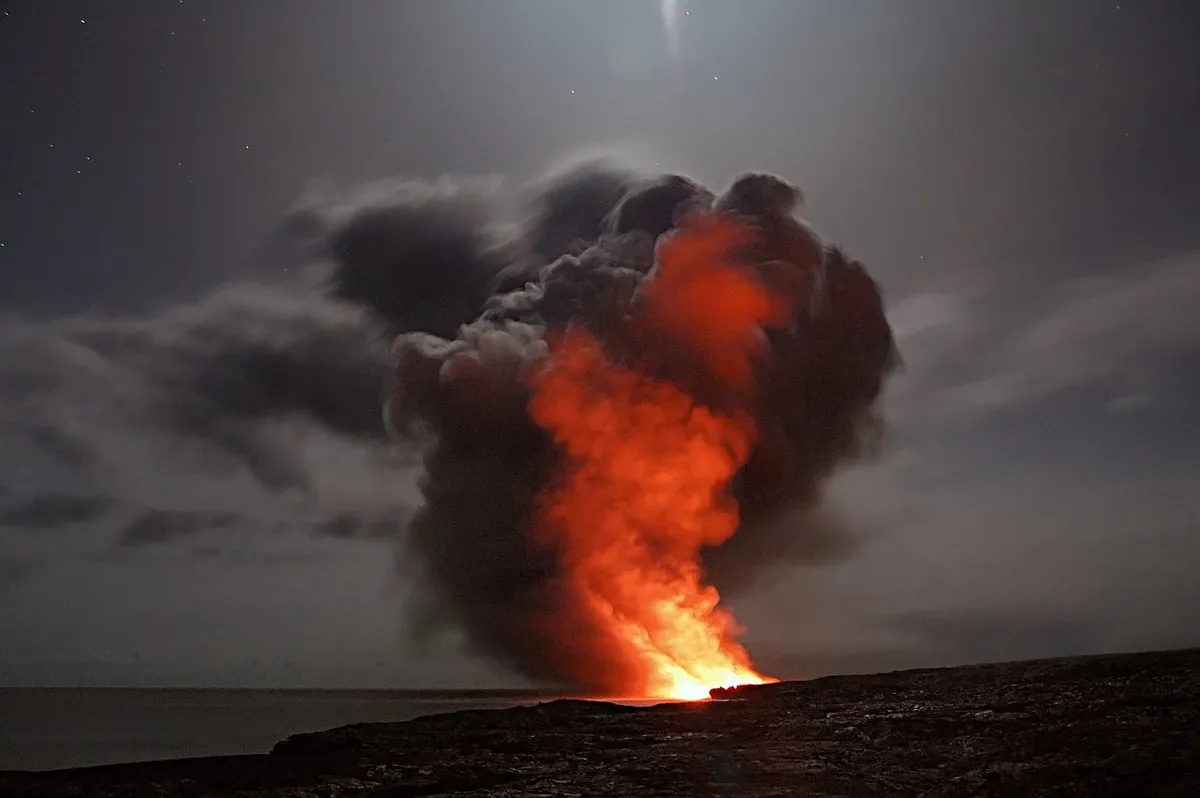
As the morning sun warms your skin, you sit on a breezy balcony in Hawaii and scan the calendar for the ideal season.
The sun hits the balcony of a quiet rental as you plan your itinerary based on the shifting seasons. Choosing the right time depends on whether you prefer warmth or slightly cooler evenings.
Summer highs reach around 88 °F (31 °C) during the day, with lows of 75 °F (24 °C) at night. In contrast, winter day temperatures are usually around 83 °F (28 °C), and at low elevation, they seldom dip below 65 °F (18 °C) at night.
Selecting a month based on these temperature ranges ensures your outdoor work sessions remain comfortable.
How can you manage local life in Hawaii? Hawaii workation guide
While walking through a crowded market in Hawaii at noon, you feel the humid air and observe the vibrant social flow.
Walking through a local market, you notice the diverse mix of people that defines the islands. Understanding the demographic and linguistic history helps in navigating social interactions.
The state's history shows a diverse population, such as in 1970 when the Census Bureau reported Hawaii's population was 38.8% white and 57.7% Asian and Pacific Islander. This diversity is reflected in the local communication styles.
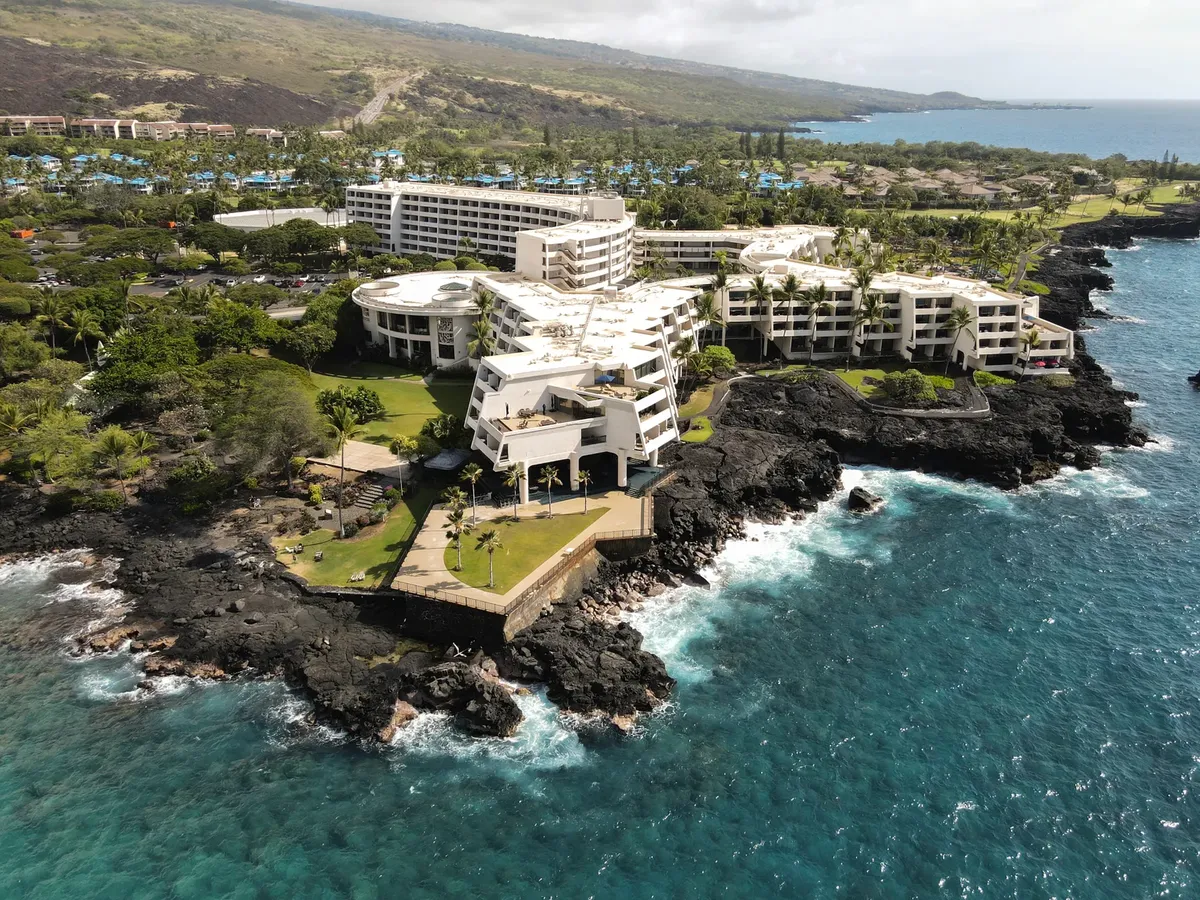
Census Bureau in 2015 added Hawaiian Pidgin to the list of official languages in the state of Hawaii. Understanding these cultural layers makes your month in Hawaii tips more effective.
According to World Bank, the 2024 record includes 94.7%.
What are some digital nomad Hawaii essentials?
Setting up a workstation near a window, you check your connection to ensure you can meet your professional obligations. Reliability is key for anyone working remotely in a distant island state.
The United States recorded a share of internet users of 94.7% in 2024, according to World Bank data. While connectivity is generally high, you should always have a backup plan for remote locations. Being prepared for the digital environment is a vital part of any Hawaii workation guide.
How do you handle daily life in Hawaii?
You step outside to feel the tropical air, realizing that the vastness of the islands requires careful planning. The geography of the state is expansive and varied.
The state is physiographically and ethnologically part of the Polynesian subregion of Oceania, spanning 1,500 miles (2,400 km). Hawaii's ocean coastline is consequently the fourth-longest in the U.S., at about 750 miles (1,210 km).
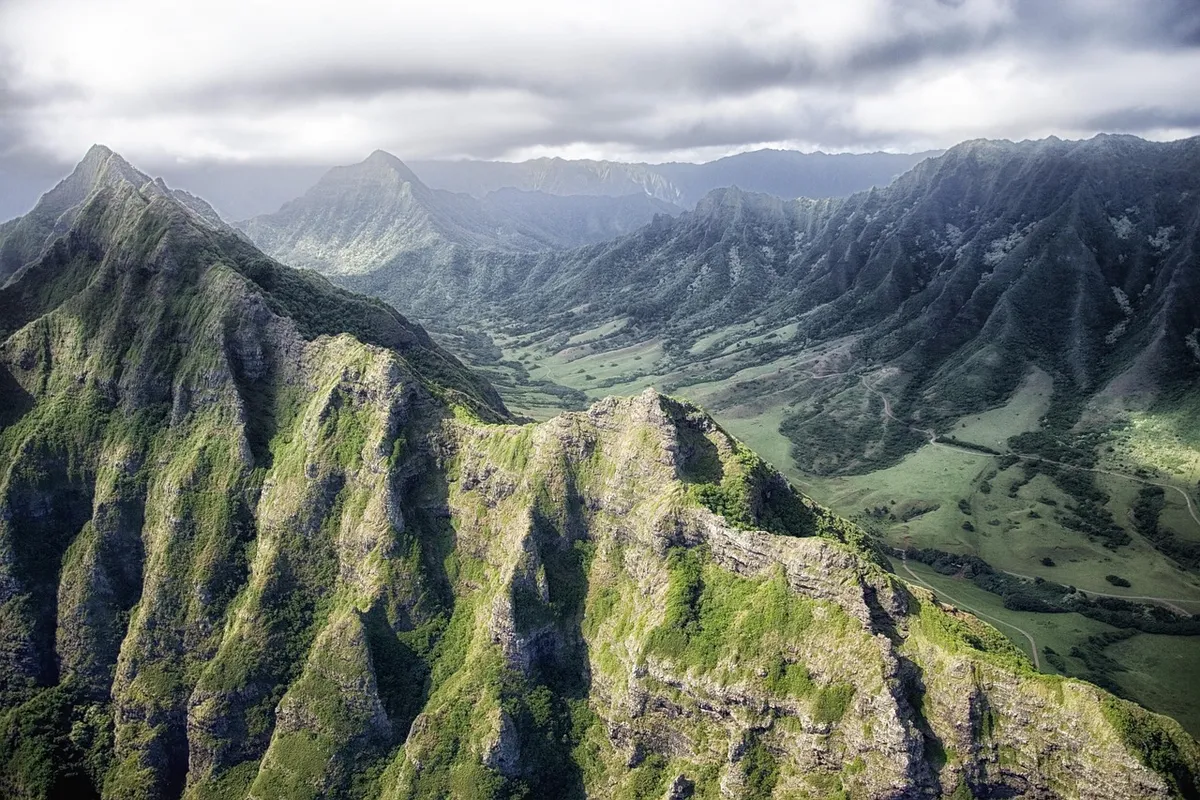
Navigating these distances requires organized travel and a clear understanding of the local terrain.
What should you know about making local friends Hawaii?
Sitting at a small cafe, you listen to the rhythmic sounds of the local dialect and observe the community. Building relationships requires an appreciation for the local identity.
The Hawaiʻi Tourism Authority's official policy is to recognize the importance of using certain markings to preserve the indigenous language and culture of Hawaiʻi and use them in all forms of communications. Many people speak Hawaiian Pidgin as an additional language.
Respecting these cultural nuances is essential for successful local life in Hawaii.
How to prepare for your stay
You lay out your gear on the bed, checking your list one last time before your departure. Following a structured approach helps manage the transition to island living.
- Check the weather patterns for your specific island to prepare for temperature fluctuations or high rainfall areas. 2. Research the local dialect and cultural etiquette to better integrate into the community. 3. Verify internet availability in your specific accommodation to maintain professional consistency.

I find that checking the local weather forecast daily is the most important step for my outdoor work sessions.
A limitation of this guide is that it does not account for specific individual housing costs, though research from the National Association of Realtors places the 2010 median sale price of a single family home in Honolulu, Hawaii, at US$607,600.
- When is the best time for a Hawaii stay?
- How can you manage local life in Hawaii?
- What are some digital nomad Hawaii essentials?
The same subject is also called Hawaii living advice.
Related
- Respecting island ways: Hawaii workation local culture
- Hawaii long stay guide: Planning your month in paradise
How do the islands influence your planning?
The islands present a landscape that requires adjusting your schedule to the environment. You must consider how the seasonal temperature shifts and the vast geography affect your daily routine.
- Compare summer highs of 88 °F (31 °C) with winter highs of 83 °F (28 °C) to decide when to schedule outdoor work. 2. Account for the 1,500-mile (2,400 km) span of the Polynesian subregion when planning travel between locations. 3. Prepare for the 750-mile (1,210 km) coastline when considering coastal terrain. 4. Use the knowledge of the 2015 Census Bureau addition of Hawaiian Pidgin to navigate local communication. 5. Monitor low elevation temperatures that seldom dip below 65 °F (18 °C) to ensure comfort during nighttime. 6. Review the 1970 Census Bureau data regarding the diverse population to understand the cultural landscape. 7. Check the 2024 World Bank data regarding internet usage to prepare for connectivity needs. 8. Reference the 2010 median sale price of US$607,600 for a single family home in Honolulu to understand housing context.







Comments 0