What 37 million happened to the Aloha Stadium operations?
"The stadium was ceasing fan-attended operations indefinitely."
The era of major crowds at Aloha Stadium has come to a halt following an official decision to suspend public gatherings. This transition marks the end of a long history of sporting events in Honolulu as the community looks toward future infrastructure.
Key takeaways include the indefinite cessation of fan-attended operations, the stadium's historical role in hosting professional baseball and football, and the technical legacy of its unique movable seating sections.
What happened to the Aloha Stadium operations?
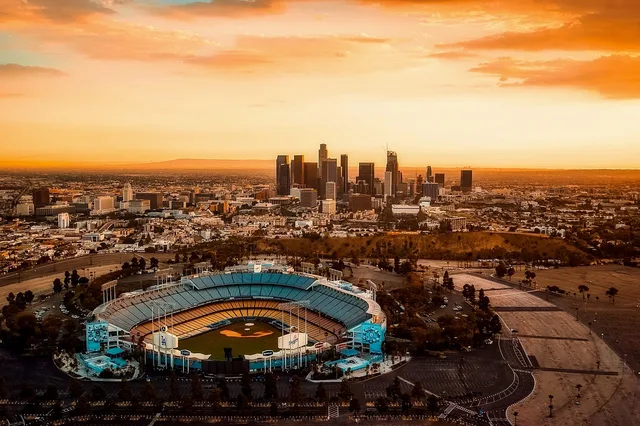
A heavy silence has settled over the concrete stands where thousands once cheered during professional matches. According to an announcement by the Aloha Stadium Authority on December 17, 2020, the venue would be ceasing fan-attended operations indefinitely.
This decision fundamentally changed the status of the site located west of downtown Honolulu.
The facility, which was constructed in 1975 at a cost of $37 million, can no longer host the large-scale public gatherings that defined its existence.
While it once served as a central hub for major athletic contests, the indefinite suspension means the gates remain closed to the general public for now. This shift leaves a significant void in the local sports landscape.
How diverse were the past sporting events at the site? Aloha Stadium closure news
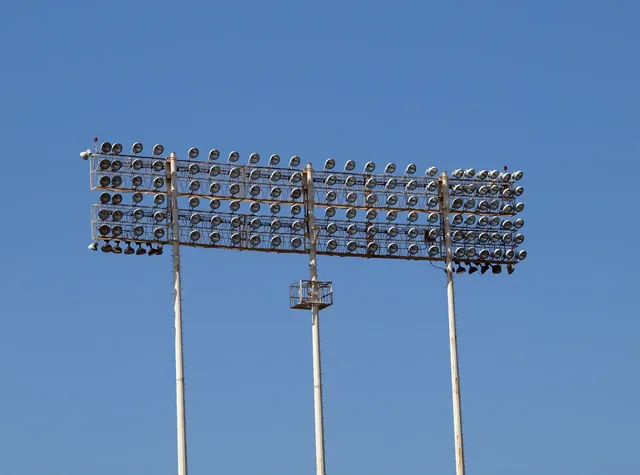
The bright lights once illuminated a variety of professional athletes competing on the grass.
The site also served as a recurring home for the NFL's Pro Bowl, hosting the all-star game 35 times between 1980 and 2016, with the exception of 2010 and 2015.
According to World Bank, the 2024 record includes 94.7%.
What made the stadium design unique?
Engineers once worked with massive, heavy components to reshape the viewing experience for different sports. The stadium featured four movable 7,000-seat sections that could be repositioned to suit the specific needs of an event.
These sections, each weighing 3.5 million pounds, utilized air casters to change the arena's geometry.
I remember seeing how these massive components could be shifted to create a diamond configuration for baseball or soccer, an oval for football, or a triangle for concerts. This technical flexibility was a hallmark of the venue's design.
However, maintaining such specialized equipment presented significant engineering challenges over the decades.
Why did rugby league teams struggle to settle here?
In 2020, there was a proposal for Kanaloa Hawaii, a proposed Major League Rugby (MLR) team, to be based at the stadium after spending a few years in a smaller venue.
Despite these discussions, the plan never materialized into a permanent residency. MLR and Kanaloa Hawaii did not reach an agreement for the team to join the league.
This failed negotiation highlights the difficulty of securing long-term professional tenants during the stadium's period of transition.
How is the field name recorded in history?
Researchers looking through old programs might notice different titles printed on the official scoreboards. The naming rights for the field changed over time to reflect various commercial partnerships. As of 2016, the field was known as Hawaiian Tel Federal Credit Union Field at Aloha Stadium.
This specific designation was part of the stadium's evolving identity during its final years of active use. Tracking these name changes provides a timeline of the venue's commercial history. Each name change reflected the shifting landscape of local sponsorships in Hawaii.
What are the technical limitations of the venue?
A technician examines the concrete pads beneath the heavy seating sections, noting the structural requirements. The stadium's specialized design relied on precise engineering, particularly regarding the support structures for the movable parts.
An engineer from Rolair Systems, a NASA spin-off company, once claimed that issues were caused by a concrete contractor who ignored specifications for the concrete pads under the stadium.
The following table compares two specific aspects of the stadium's historical capacity:
| Feature | Detail |
|---|---|
| Movable Section Weight | 3.5 million pounds |
| Movable Section Capacity | 7,000 seats |
I noticed that the sheer scale of these components required absolute precision in the foundation. While the design was innovative, the reliance on specific contractor adherence to specifications created a vulnerability.
The stadium's operational history is defined by both this incredible engineering and the complexities of maintaining such a massive, specialized structure.
World Bank Based on the retained excerpt mentioning World Bank: According to World Bank data, the United States recorded share of internet users of 94.7% in 2024.
- What happened to the Aloha Stadium operations?
- How diverse were the past sporting events at the site?
- What made the stadium design unique?
The subject here is Aloha Stadium closure news.
The same subject is also called New Hawaii stadium plans.
The same subject is also called Honolulu sports venue update.
The same subject is also called Aloha field replacement.
The same subject is also called Hawaii game site change.
This part also covers When does the new stadium open?.
This part also covers Aloha Stadium end date details.
This part also covers Future of Hawaii sports venues.
When does the new stadium open?
Related
- Hawaii basic living costs: How to guide your spending
- How do I manage my internet while working in Hawaii?
What are the implications of the stadium ceasing operations?
- The indefinite cessation of fan-attended operations creates a substantial gap in the local athletic offerings.
- This transition necessitates community focus on forthcoming infrastructure projects to address the void left by the stadium.
- The historical function of the stadium, which included hosting major contests, now requires alternative arrangements for local teams.
How did the movable sections affect event setup?
- Engineers utilized the four movable 7,000-seat sections to adjust the arena's shape for different sports needs.
- The repositioning of these sections allowed the venue to mimic a diamond for baseball or an oval for football.
- The technical precision needed for shifting these components was a critical factor in the stadium's operational success.
The stadium's design showcased an advanced capability to adapt its physical layout based on the specific athletic contest scheduled. This inherent flexibility allowed the venue to cater to a wide spectrum of sporting requirements over its lifespan.
The reliance on specialized contractor adherence to the foundation specifications introduced a condition of structural vulnerability to the venue. This caution underscores the complexity involved in maintaining such a massive, engineered structure.
The historical record shows that the stadium's identity evolved through various commercial partnerships, evidenced by the changing field names. These shifts illustrate the commercial pressures surrounding the venue during its active period.








Comments 0